

Mozambique’s Children Are Paying the Price for a Crisis They Didn’t Create
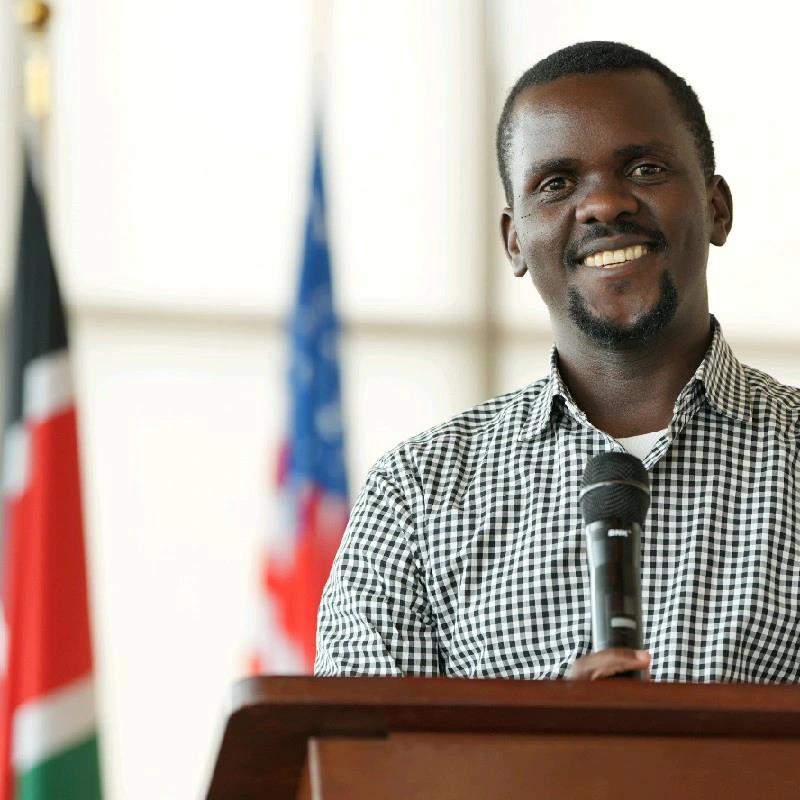
Juma Ignatius, Senior Policy Advisor, Climate Action and Disaster Risk Reduction, Disaster Management, brings our attention to the recent Mozambique floods that are often framed as natural disasters, but in reality, it is a story of global inequality, climate inaction and decades of neglect paid for by children who did nothing to cause the crisis. As emergency aid is repeated and preparedness is ignored, based on the negotiations within the United Nations Climate Change, UNFCCC spaces, Juma argues that without a shift to Disaster Risk Reduction, Anticipatory Action and climate-resilient development, disasters will continue to steal childhoods.
As the world scrolls past yet another headline about extreme weather, Mozambique’s children are living the consequences of a crisis they did not create.
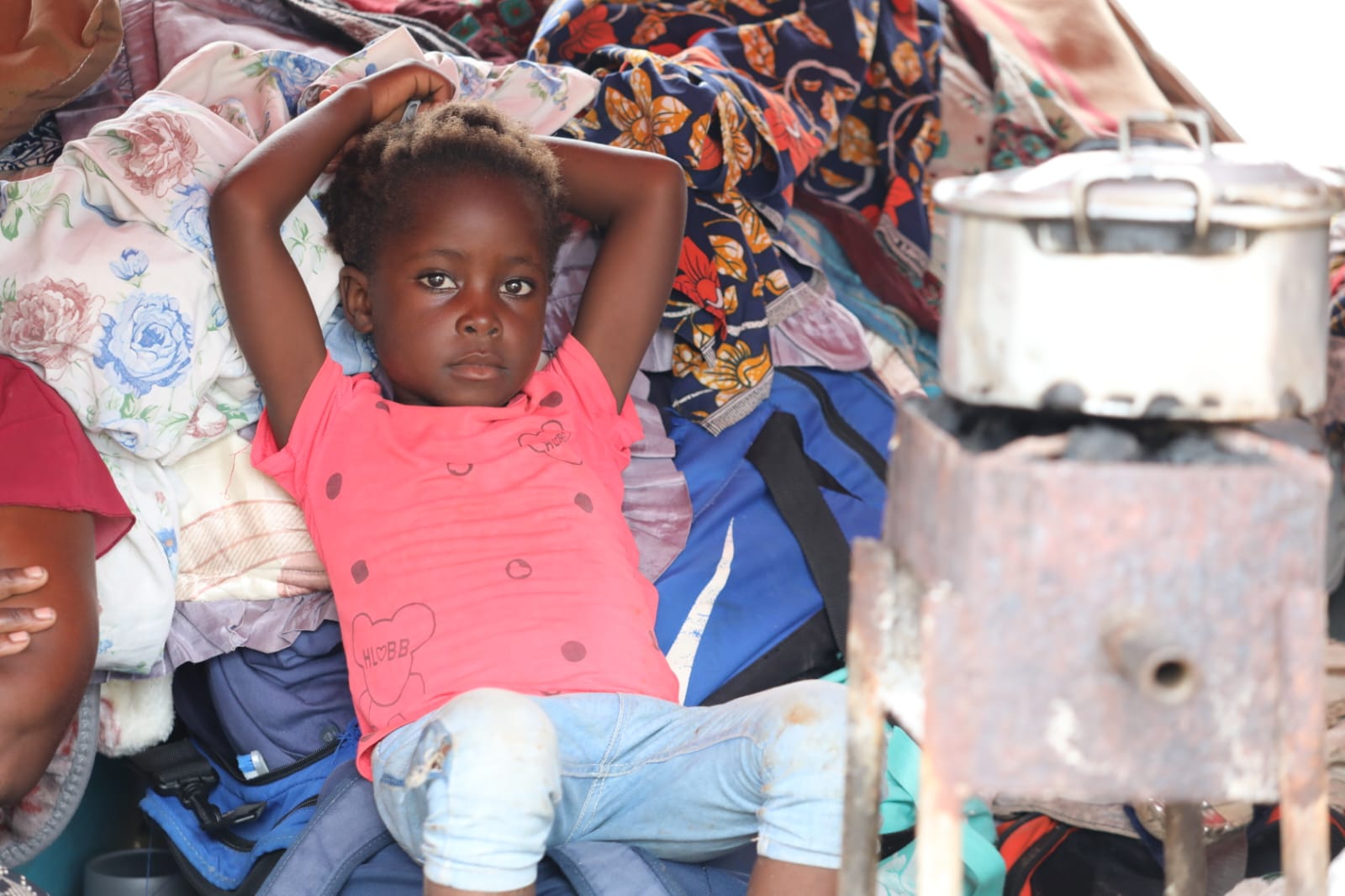
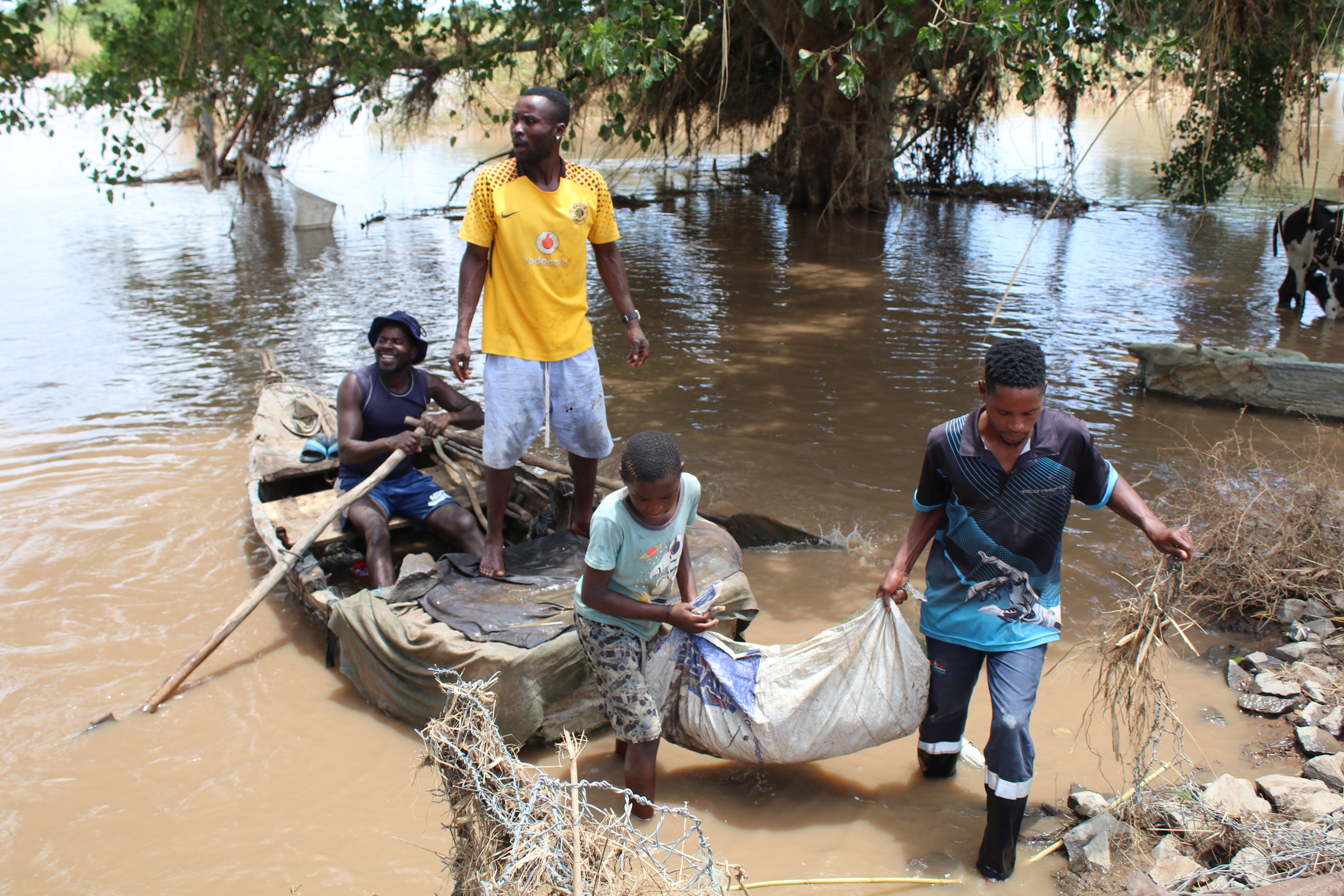
To date, nearly 720,000 people have been affected, with over half (350,000) being children. Days of relentless rainfall, combined with emergency releases from already full dams, have pushed rivers over alert thresholds and swallowed entire communities. Homes built from fragile materials have collapsed; crops swept away just weeks before harvest, and roads and bridges disappeared under water. Children now sleep in overcrowded shelters; families are forced to drink unsafe water, schools are shuttered, and livelihoods vanish before parents’ eyes.
Zita, among the survivors of the floods, says," I saw the flood waters destroy my community and now, like other families, we are living in the accommodation centre. There is a lack of food."
None of this was unforeseeable. Could this magnitude of damage and destruction be avoided? That is a pertinent question we need to ask ourselves.
Unpacking the Drivers Behind Manufactured Vulnerability
Countries like Mozambique are too often described as “vulnerable,” as if fragility were an innate condition. It isn’t. Vulnerability has been constructed over generations, shaped by colonial systems that prioritised extraction over resilience, by chronic underinvestment in essential public services, and by a global economic order that continues to extract value while leaving nations dangerously exposed to crises.
When drainage systems collapse, bridges wash away, or clinics are cut off, we should stop dismissing it as mere “infrastructure weakness.” These failures are the predictable outcome of years of systemic neglect. Families living in high‑risk zones are not there by choice but because development models long prioritized resource extraction over public safety. This vulnerability has been left unaddressed for far too long and is not accidental.
These patterns are not unique to Mozambique.
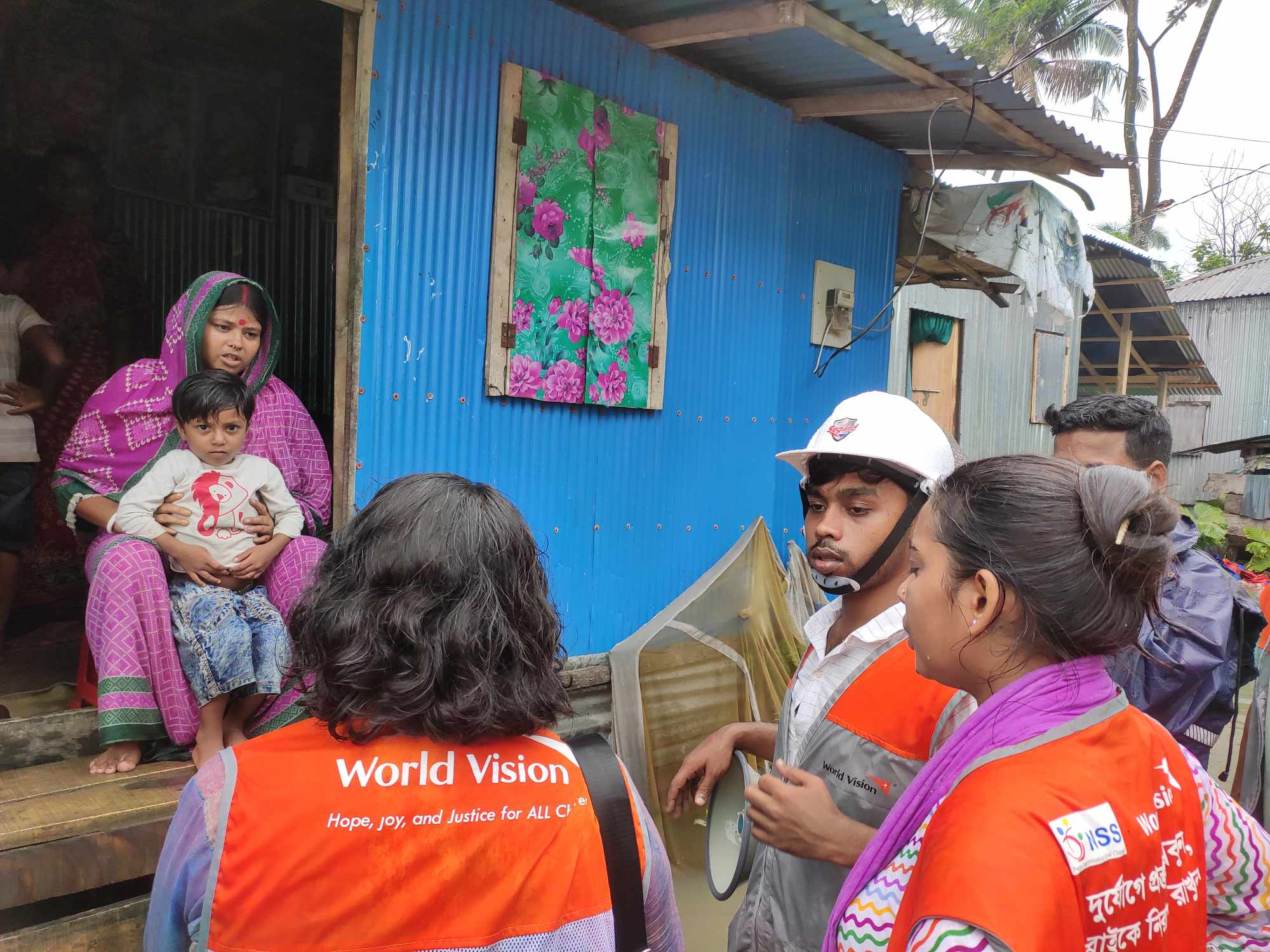
In Kenya, repeated floods in the informal settlements of Nairobi have left children exposed to cholera outbreaks and disrupted schooling year after year. In Bangladesh, cyclone shelters often overflow, forcing families to improvise in unsafe spaces despite decades of preparedness programmes. Frontline communities are repeatedly expected to survive disasters without the resources to protect themselves.
Mozambique did not create the climate crisis. With just 0.026% of global emissions, it contributes almost nothing to the problem, yet it is among those living its harshest consequences. Meanwhile, the world’s biggest emitters delay meaningful emission reductions and deliver adaptation support slowly, selectively, and in ways that rarely align with what communities actually need. Adaptation finance support arrives in short bursts, short‑term projects shaped around donor timelines rather than the lived realities of families facing compounding climate risks.
The result of global inequality is that those least responsible are paying the price for a crisis built elsewhere, while those most responsible retain the power to delay, dilute or repackage commitments without consequence.
Disaster Response Is Not Enough
Floods expose the way funding usually flows: respond loudly, prevent quietly or not at all. Funding surges after disaster strikes, then fades as attention moves on. Communities rebuild with what they can find. The next shock hits harder. This is not resilience but rather managed recurrence.
For children, this means repeated school interruptions, repeated hunger, repeated illness, and repeated fear. Their childhoods are measured not in milestones, but in emergencies.
Preparedness Is a Right
The International Federation of Red Cross and Red Crescent Societies has warned that rains may continue, in Mozambique and dam pressures could worsen. Climate risk is increasingly predictable. Floods, cyclones, and droughts are no longer rare events; they are patterns and if only we acted in advance, a lot could be saved.
As the UN Secretary-General António Guterres reminds us, “Early warnings save lives and deliver vast financial benefits.” The evidence is unequivocal: every dollar invested in anticipatory action can prevent up to seven dollars in losses and emergency response costs. Yet despite this clear return on investment, preparedness is still chronically underfunded, treated as a discretionary extra rather than a frontline defence.
At World Vision, we have seen firsthand that when communities are supported to lead Community-Based Disaster Risk Management, response becomes faster, safer, and less costly, and recovery is less traumatic.
In Kenya, for example, local flood early warning committees have helped reduce cholera exposure in informal settlements by improving drainage and coordinating safe evacuation routes. In Bangladesh, community-led cyclone preparedness, including shelter management, evacuation drills, and livelihood protection, has cut losses and injuries during cyclones by strengthening local decision-making. These examples show that resilience is not abstract; it is practical, achievable, and most effective when local communities are empowered to act.
Building Back Better Means Building Differently
Mozambique’s floods expose a painful reality: rebuilding the same fragile homes guarantees repeated catastrophe. Recovery must not mean rebuilding backward. Climate-resilient housing, safer land-use planning, stronger roads and bridges, and resilient water systems are not luxuries; they are lifesaving infrastructure. Every delay makes the next disaster deadlier, and every underfunded rebuilding effort becomes an invitation for the next shock to destroy more.
The System Must Change
If the world is serious about protecting Mozambique’s children, it must confront the system that keeps producing these disasters.
- Wealthy nations must finally deliver adaptation finance at scale, with simpler access and a clear focus on locally led resilience.
- Governments must integrate disaster risk reduction into national development and infrastructure planning. Anticipatory action must be funded as standard practice.
- And community-led disaster risk management must be mainstreamed, because communities are not the last mile; they are the first line.
- Global funding for humanitarian action should be targeted and intentional about building resilience in the long run.
As Humanitarian Networks and Partnerships Weeks (HNPW) approach, anticipatory action must move to the center of policy and financing debates, properly prioritised, funded, and scaled to protect communities most exposed to climate risk.
Humanitarian aid will always matter. But it cannot remain the world’s main plan. If Mozambique’s children must keep surviving disasters to be recognised, we are not witnessing nature unfold. We are witnessing a global system to make a choice, and children are paying the bill.
About the author:
Juma Ignatius, Senior Policy Advisor for Climate Action and Disaster Risk Reduction, World Vision international is based in Nairobi, Kenya. Juma has experience in the climate and humanitarian sector and looks forward to being contacted to discuss how humanitarian interventions can help foster climate action for the most vulnerable.
Subscribe to see more content like this
Related Resources

After the Flood in Guijá, Mozambique: Constância’s Story of Rebuilding

Staying to Tell the Story: Bearing witness to courage and survival during the floods in Guijá, Mozambique
