publication / მარტი 9, 2026
Policy Insights in Ending Child Hunger and Malnutrition
This policy brief introduces the ENOUGH Campaign in East Africa and invites you to be part of a practical response rooted in bold hope to end child hunger and malnutrition. It explains the challenge clearly, highlights what is working, and sets out actions that governments, donors, businesses, civil society, communities and friends of children can take together. The goal is simple and urgent: to make sure every child has ENOUGH of the right food to grow well, learn in school and thrive.
article / მარტი 6, 2026
Bridging the Gap. Clean Water as a Foundation for Health and Education in Mwinilunga
On February 18, 2026, Sailung’a Health Facility in Mwinilunga District marked a major step toward improved health services. World Vision Zambia handed over a modern ablution block and water system to the facility. The new infrastructure strengthens access to safe water and sanitation for patients, mothers, children, and health workers.
article / მარტი 2, 2026
Health Within Reach: Reducing Child Mortality in Rural Mozambique
In Manica Province, Mrs. Ana’s grandson Emanuel survives malaria and diarrhoea thanks to trained Polyvalent Health Agents supported by the Rotary Healthy Communities Challenge Project, bringing lifesaving care closer to rural families in Mozambique.
article / თებერვალი 5, 2026
Clean Water Improves Maternal Care at Nambazo Health Centre in Phalombe
Clean and safe water is transforming maternal health at Nambazo Health Centre in Phalombe, as World Vision Malawi’s WASH project reduces infections and improves dignity.
article / იანვარი 21, 2026
Southern Province Chiefs Join Efforts to Improve Maternal and Child Health
Traditional leaders across the Southern Province are collaborating with health partners to enhance the nutrition of pregnant women and safeguard the health of their babies. This comes at a time when maternal nutrition remains a concern. The 2024 Zambia Demographic and Health Survey shows that anaemia affects about one in five women of reproductive age. The survey also highlights ongoing micronutrient deficiencies among women and children, especially in rural areas. Poor nutrition during pregnancy increases the risk of illness for mothers and affects a child’s growth from the very beginning. These findings show why practical solutions and strong partnerships at the community level are needed.
article / თებერვალი 19, 2026
Strengthening Emergency Delivery Care in the West Bank: 121 Health Workers Trained Against All Odds
In August 2025, World Vision, in close partnership with the Ministry of Health (MoH), delivered a three‑week Emergency Delivery Training programme, equipping 121 nurses, doctors, and midwives with the skills needed to respond to maternal and newborn emergencies.
video / მარტი 4, 2026
Partnerships for Progress: Strengthening Rural Health Through Collaboration
In this video, World Vision’s Vice President for Water and Health highlights the transformative power of partnerships in bridging the gap between remote communities and quality healthcare. While WASH services provide the foundation for safety, strategic collaborations bring the specialised resources necessary to sustain a modern medical environment. By aligning the expertise of non-profits with the strengths of the private sector, rural health infrastructure is upgraded from basic survival centres to comprehensive medical hubs capable of delivering long-term impact.
article / მარტი 4, 2026
Clean Water, Safe Births, and Healthier Futures: Transforming Lives in Shamputa and Katukwe
In the rural communities of Kapiri Mposhi, access to clean water and quality maternal health services has long been a daily struggle. For expectant mothers, health workers, learners, and families, limited Water, Sanitation and Hygiene (WASH) infrastructure meant long walks to unsafe water sources, heightened risks of infection, and added pressure on already stretched health facilities.
publication / თებერვალი 22, 2026
World Vision Somalia Abridged Strategy FY26- FY30
WVS’s child well-being priorities are closely aligned with Pillar 3: Social Development of the Somalia National Transformation Plan (NTP) and contribute directly to the Sustainable Development Goals (SDGs).
Efforts to improve child nutrition and reduce wasting and stunting advance SDG 2: Zero Hunger and respond to the NTP priority of improving access to and quality of nutrition and food security services.
Expanding equitable, quality maternal and child healthcare supports SDG 3: Good Health and Well-being, addressing the NTP’s goal of strengthening accessible healthcare systems.
Finally, strengthening child protection systems and family support contributes to SDG 5: Gender Equality and SDG 16: Peace, Justice, and Strong Institutions, reinforcing the NTP commitment to protect children and promote social cohesion.
publication / მარტი 9, 2026
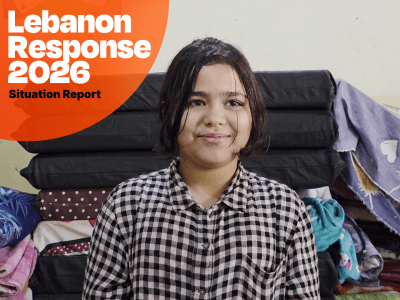
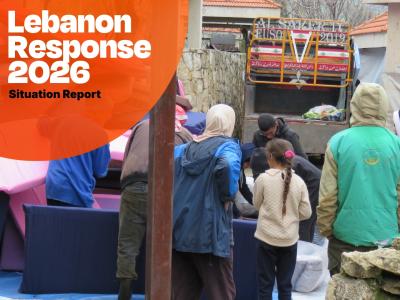
Lebanon Response Sitrep 2026 #2
According to Lebanon’s Ministry of Public Health (MoPH), attacks between 2 and 8 March have resulted in 394 people killed and 1,130 injured, with figures Increasing daily.
Displacement orders issued in the last days, including renewed orders affecting areas south of the Litani River and the entirety of Beirut’s southern suburbs, have triggered further population movements and repeated displacement for many households.
As of 8 March, the Disaster Risk Management (DRM) Unit reports 117,228 displaced individuals residing in 538 collective shelters. The Government of Lebanon has launched a national self-registration platform for internally displaced persons, with over 517,000 people, indicating the potential scale of displacement beyond those recorded in collective shelters.
Recent days have seen hostilities expand beyond traditional frontline areas, including blanket evacuation orders affecting Beirut’s southern suburbs, warnings and subsequent strikes targeting branches of the Al-Qard- Al-Hassan Association. Airstrikes have also impacted locations outside the declared warning zones, including a hotel in central Beirut and an earlier strike on a hotel in Hazmieh, both situated outside the primary red-zone areas. These incidents highlight the widening geographic scope of the conflict and the continued risks to civilians and humanitarian operations across areas.