

In every crisis, women carry the weight, but who carries them?
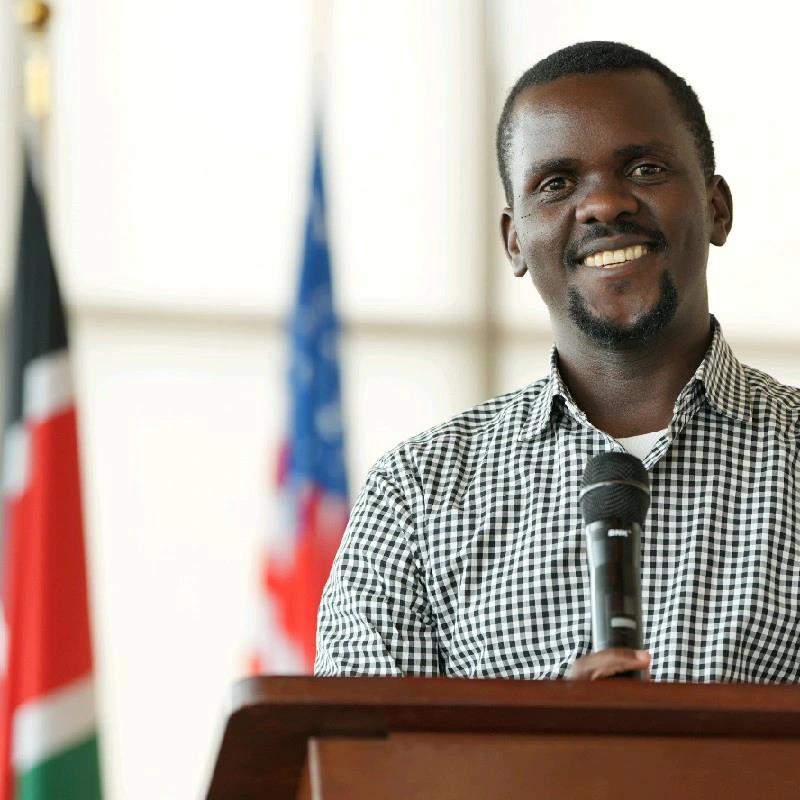
Juma Ignatius, Senior Policy Advisor for Climate Action and Disaster Risk Reduction, highlights that women bear the brunt of climate and humanitarian crises, holding families together as systems fail. Yet they remain sidelined as just recipients of aid rather than leaders and agents of change. Investing real power and resources in women’s leadership, he says, is essential for effective humanitarian action and children’s futures.
As humanitarian budgets shrink and climate shocks intensify, the world is leaning more heavily than ever on women to hold families together, while investing less and less in the systems that protect them and their children. Yet, despite the scale of these crises, the world still sidelines half its population, overlooking women’s leadership and insight in emergencies, which they experience the most intensely. Apart from reducing services, these funding cuts are systematically reshaping humanitarian action in ways that push women and girls further to the margins, deepen gender inequality, and compound harm over time.
In conflict‑affected and climate‑vulnerable contexts alike, women absorb a disproportionate share of crisis impacts. They skip meals so children can eat. They stay behind so others can flee. They stretch impossible resources to keep families alive when systems fail.
Climate shocks deepen inequality at home
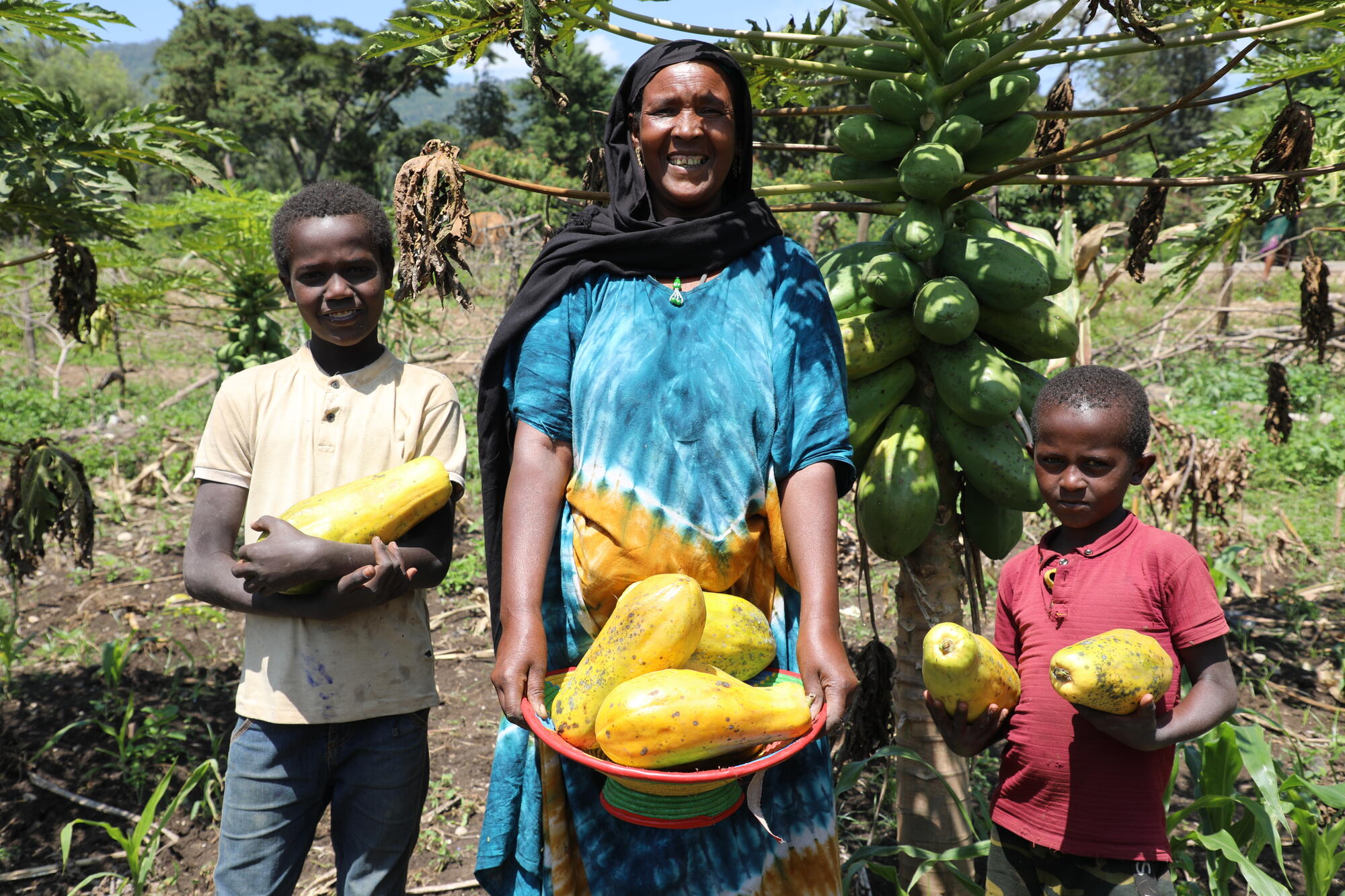
Climate emergencies follow the same discriminatory script. Failed rains, rising food prices, and disappearing livelihoods land first and hardest on women and youth in low‑income, climate‑vulnerable communities. They walk further for water, salvage dying crops, and stretch empty budgets, often at the expense of their own health, to protect their children from hunger, illness, and dropping out of school.
Yet despite standing on the front line of daily survival, women remain locked out of the very power structures meant to address the crisis. Less than 20 per cent of African women have secure land rights, despite making up to 70 per cent of the agricultural workforce. Without land, they cannot access credit, training, or agricultural support. A system that depends on women’s labour systematically denies them agency and in doing so, undermines children’s long‑term wellbeing.
Excluding women from humanitarian leadership weakens responses and fails children
Still, women continue to function as the invisible safety net holding communities together. Children’s survival so often depends on women’s decisions, knowledge, and leadership. In humanitarian response and climate negotiations, the pattern is depressingly familiar. Women are treated as beneficiaries rather than decision‑makers; as recipients of aid rather than architects of solutions. But field evidence consistently dismantles this logic. Women’s leadership is not a “nice to have”. It is what makes responses more effective, more relevant and more protective of children.
When women lead, communities and children are safer
Look at what happens when women lead. In informal settlements in Nairobi and in Kismayo, Somalia, women organising around water management transformed daily life. Water points were maintained. Hygiene improved. Children could collect water safely. Prices stayed fair. Revenue was reinvested through savings schemes, helping households meet basic needs and withstand future shocks. This was not charity. It was leadership and it directly reduced risks faced by children.
Across East Africa, women‑led community‑based disaster risk management committees are reshaping crisis response. Women trained in early warning systems, evacuation planning, grain bank management, climate‑smart farming, and savings groups are delivering faster alerts, safer evacuations, and recovery strategies grounded in lived reality. When women design solutions, children are more likely to survive disasters, stay in school, and recover with dignity.
In the Solomon Islands, women-led community immunisation programmes, a GAVI-supported initiative, gained momentum. Through storytelling, leadership, and local action, women are transforming health outcomes for children and their families.
Token inclusion, real exclusion
Yet despite this evidence, global systems still struggle to invest in women’s leadership. Women remain marginalised in cluster meetings, budget decisions, and programme design. Too often, “inclusion” amounts to a photo opportunity, a signature on an attendance sheet, or a small allowance meant to signal participation. This is not empowerment. It is optics.
Women are not asking for applause; they are asking for power
Women in Bangladesh, Ethiopia, Mozambique, the Solomon Islands, and countless other contexts are not asking for tokenism. They are asking for decision‑making power. They want their indigenous knowledge at the centre of humanitarian and climate innovation. They want their organisations funded, not applauded. They want to lead solutions, not sit quietly on the margins while decisions that shape their children’s futures are made without them.
International Women’s Day demands more than rhetoric
If the world is serious about effective humanitarian response, climate resilience, and long‑term development, investing in women’s leadership is not optional. A system that sidelines women, in coordination systems and funding at the global and national levels, fails children first and for generations.
As the world celebrates women during this month of recognition, International Women’s Day is a reminder that celebration alone is not enough. Recognition is not enough. Rhetoric is not enough. What women need is action. We cannot keep calling women the backbone of resilience while refusing to strengthen the spine. We cannot depend on shock absorbers; we deliberately underfund. And we cannot build a resilient world while excluding the people who hold families and children together in crisis.
If we want stronger communities, we must put women where they have always belonged: not at the edges of humanitarian response, but at the centre.
About the author:
Juma Ignatius, Senior Policy Advisor for Climate Action and Disaster Risk Reduction, World Vision International, is based in Nairobi, Kenya. Juma has experience in the climate and humanitarian sector and looks forward to being contacted to discuss how humanitarian interventions can help foster climate action for the most vulnerable.
Subscribe to see more content like this
Related Resources

Solomon Islands women empowered through Women Friendly Spaces

Empowering women farmers
