
Lifeline Restored for Thousands in Southern Mozambique as Emergency Water Flows Again

Over 22,000 people in the Guijá and Mabalane districts are now breathing a sigh of relief as essential water services return to their communities. Following recent infrastructure damage in Gaza Province, including roads, homes and electricity transmission lines, World Vision Mozambique, with vital funding from UNICEF, successfully mobilized a rapid emergency intervention that has turned the tide for more than 4,000 households.
With the collapse of electricity infrastructure, water supply systems dependent on power were brought to a halt. For thousands of households, this meant losing access to safe drinking water almost overnight. With no alternative, many families were forced to rely on unsafe sources such as stagnant pools, exposing themselves to serious health risks and increasing the threat of waterborne diseases. Communities already vulnerable to water scarcity were suddenly confronted with a new and urgent threat.
In response, World Vision Mozambique, with funding from UNICEF, rapidly mobilised emergency interventions to restore access to water and protect affected communities.
Central to this response has been the provision of generators and fuel to private water operators, ensuring that supply systems could continue functioning despite prolonged power outages.
“Even after the floods, we were not abandoned. The water kept coming. That saved us,” shares Benilde, a beneficiary.
For many families, the return of water meant more than convenience, it meant safety, dignity, and hope.
“We had started to lose hope. The children were drinking unsafe water, and we feared disease. When the clean water returned, it felt like life was returning to our community,” recalls Ana, another community member.
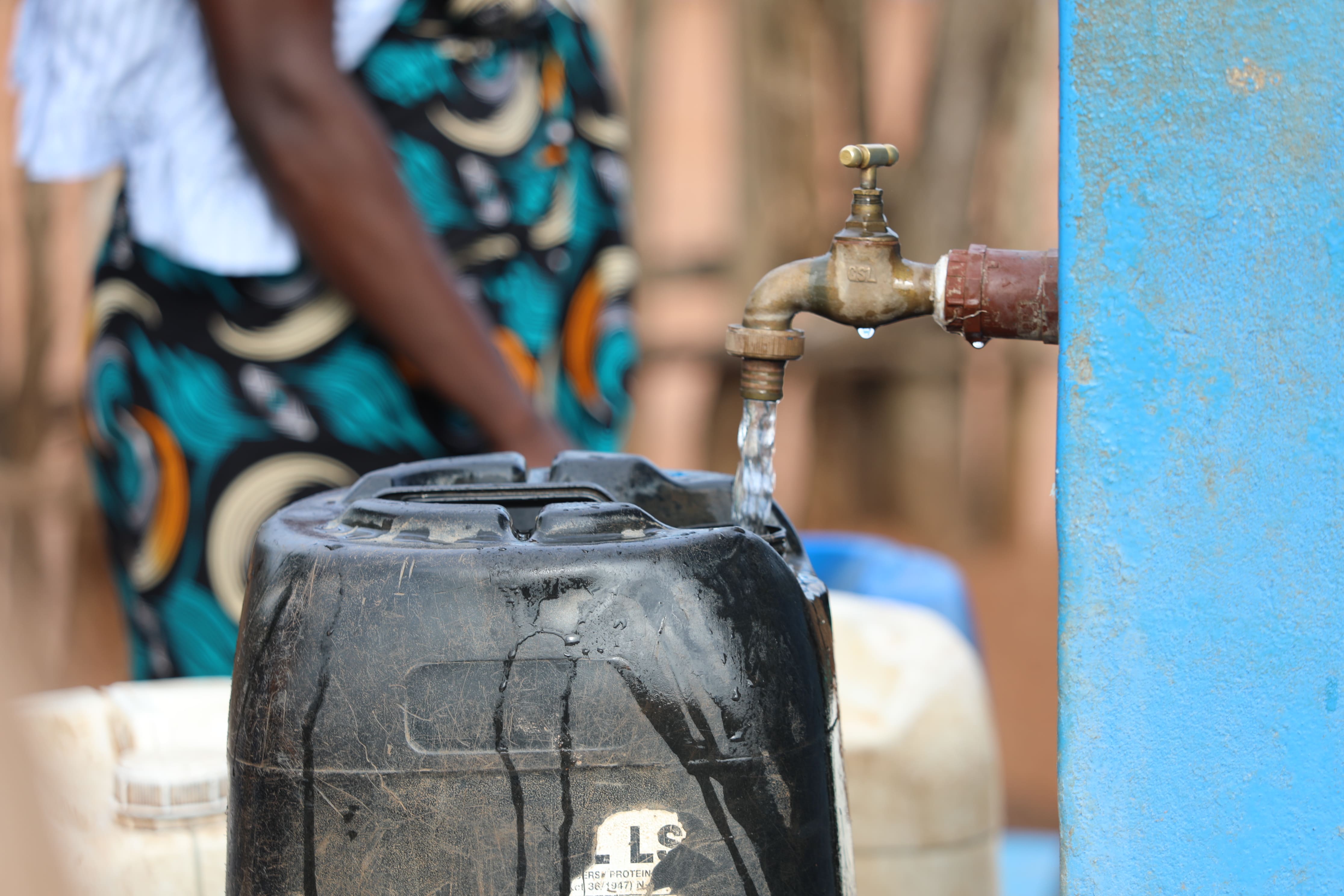
So far, ten water supply systems have benefited from this intervention. An assessment conducted across six of these systems shows that more than 22,000 people, representing over 4,000 households, have maintained access to safe water, even in the midst of crisis.
These are not just numbers. They are lives protected in the face of uncertainty. They are children who, despite losing so much, still have access to something essential for survival, safe water. They are families given the chance to choose health over risk, dignity over desperation.
This intervention goes beyond immediate relief. By ensuring the continuity of water supply, it helps prevent disease outbreaks, reduces pressure on already affected households, and provides a critical sense of stability during uncertain times.
Each generator installed, each system kept operational, represents a lifeline for communities striving to recover.
In parallel, under its WASH response, World Vision has also supported communities through the distribution of LifeStraw water filters and dignity kits. These interventions play a vital role in promoting safe water use and safeguarding menstrual hygiene, an often overlooked but essential need for women and girls in emergency contexts.
Because in times of crisis, access to water is not just a basic necessity, it is a matter of survival, health, and human dignity. Each rehabilitated water point, each system kept running, represents more than an immediate response, it is a commitment to human dignity.