article / August 10, 2026
DR Congo: Growing Health: How William Is Cultivating a Healthier Future for His Children
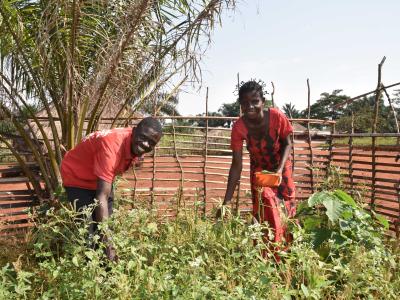
William, a father of eight from Ntompo in Kasaï Central, is challenging traditional gender roles around childcare and nutrition. Through a KOICA-funded project implemented by World Vision in partnership with WFP, he learned about positive masculinity and the importance of shared responsibility for family well-being. Today, William works alongside his wife in their family garden, helps make decisions about their children’s meals and supports their health and nutrition. His story shows how engaging men can strengthen families, improve children’s diets and inspire lasting behavioural change within communities.
publication / July 21, 2026
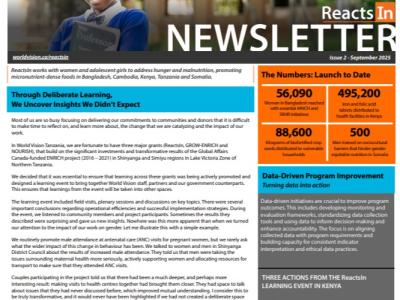
ReactsIn Newsletter Issue 2 Sept 2025
Explore the September 2025 ReactsIn newsletter featuring nutrition, gender equality, adaptive learning, and programme updates across five countries.
publication / July 21, 2026
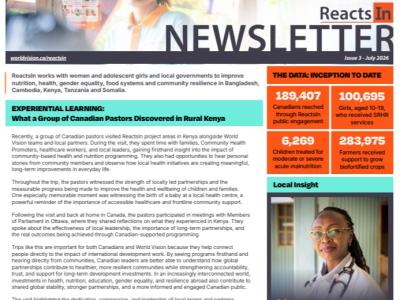
ReactsIn Newsletter Issue 3 July 2026
Discover the latest ReactsIn newsletter featuring community health, nutrition, gender equality, and resilience across five countries.
publication / July 21, 2026
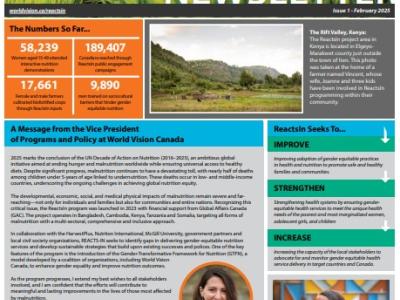
ReactsIn Newsletter Issue 1 Feb 2025
Explore the February 2025 ReactsIn newsletter featuring nutrition results, gender-equitable programming, Kenya field visits, and project expansion.
article / July 21, 2026
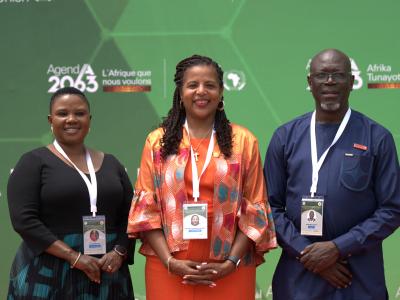
World Vision Advocates for Stronger Health Systems and Child-Centred Health Investments at AU Health Summit
World Vision participated in the African Union Extraordinary Health Summit, advocating for stronger health systems, nutrition, maternal health, youth participation, and universal health coverage across Africa.
publication / July 31, 2026
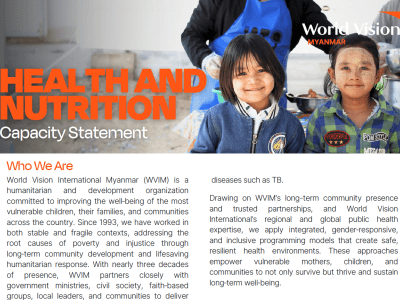
Health and Nutrition Capacity Statement
World Vision International Myanmar (WVIM) is one of the longest-serving humanitarian and development organization in Myanmar, with more than three decades of operational presence across both stable and conflict-affected contexts. We partner closely with government ministries, civil society, faith based groups, local leaders, and communities to deliver integrated programs in education, child protection, health and nutrition, WASH, livelihoods, and disaster response. Our locally rooted teams ensure culturally relevant, community owned solutions that support children to thrive. In livelihood, our work focuses on strengthening household resilience, restoring livelihoods, and protecting the well-being of vulnerable children through integrated, community-driven approaches that address both immediate needs and long-term recovery. Each year, our programmes reach millions, reflecting our commitment to ensure children are educated, protected, and cared for in safe and resilient communities.
publication / July 22, 2026
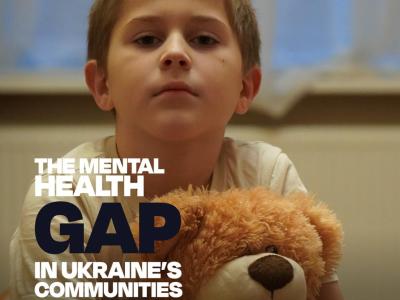
Assessing Mental Health Needs in Dnipropetrovsk Oblast: A Community-Level Gap Analysis
Discover World Vision’s MHPSS report on Slobozhanska, Samarivska, Pidhorodnianska & Lyubymivska communities (Dnipropetrovsk Oblast, Eastern Ukraine). Evaluating mental health accessibility in Ukraine.
article / July 13, 2026
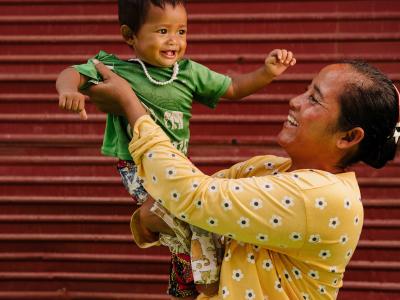
CORE Group Partners Project Launches Integrated Initiative to Improve Maternal and Child Health, Advance Polio Eradication, and Strengthen Disease Surveillance in Cambodia’s Border Communities
World Vision Cambodia launches the CORE Group Partners Project to improve maternal and child health, advance polio eradication, and strengthen disease surveillance in border communities.
press release / July 21, 2026
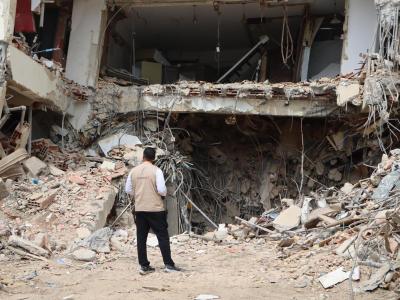
Trauma, the Other Earthquake: World Vision Urges to Protect the Mental Health of Venezuela’s Children
One month after Venezuela’s earthquakes, World Vision urges action to protect children’s mental health, education, and safety amid recovery efforts.
article / July 23, 2026
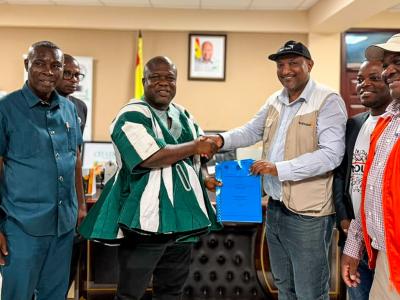
World Vision Ghana and Volta Regional Council Partner to Improve Water, Sanitation and Health Services
World Vision Ghana and the Volta Regional Coordinating Council have signed an MoU to expand access to clean water, sanitation and health services in Agortime-Ziope.