As we celebrate Teacher's Day, our Education & Early Childhood Specialist, Savivanh Vongxaiya, reflects on the struggles of the education system in Laos and offers a message of hope and resilience with the story of an Early Childhood teacher supported by World Vision in a remote area.
On Monday, 11th September, World Vision handed over 1.9 billion KIP worth of relief aid (approximately USD 98,000) to the population recently affected by flooding and landslides in Khounkham district, Khammouane province.
Discover how World Vision impacted the lives of hundreds of thousands of children in Laos in 2022.
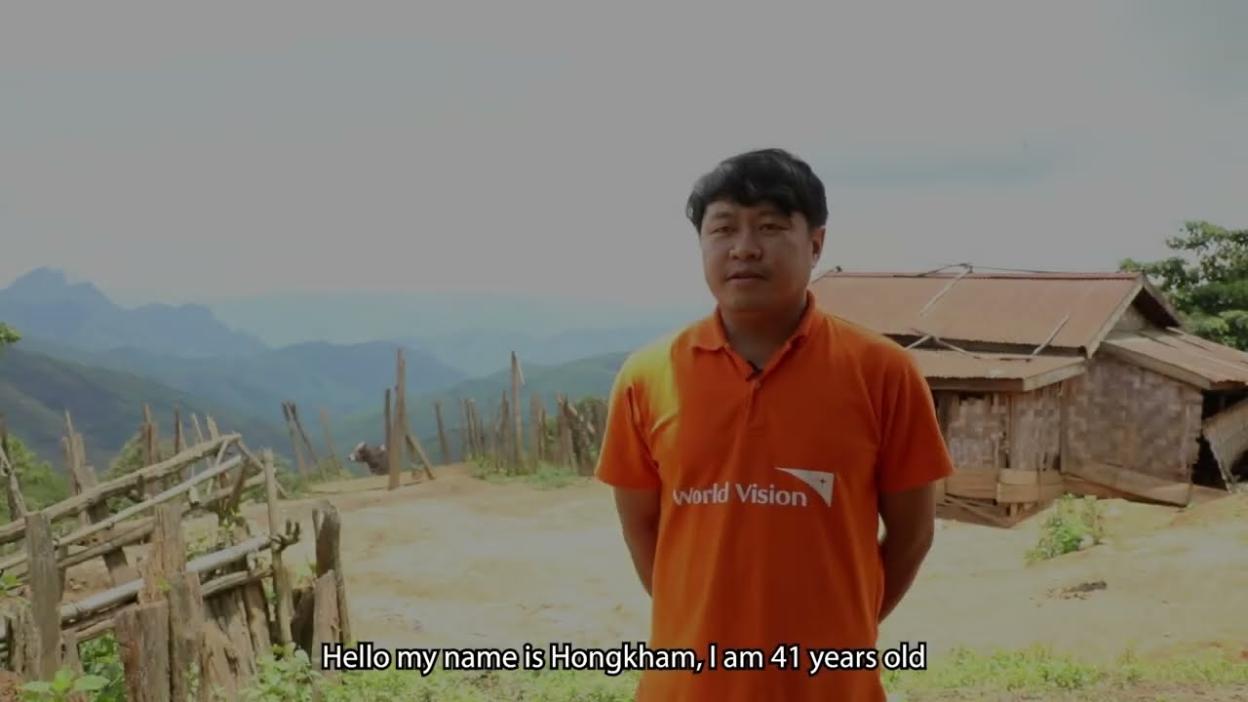
As we celebrate World Humanitarian Day, let’s hear from Hongkham, our staff serving the communities of Luang Prabang for 14 years, to understand what it means to work in the humanitarian and development sector.
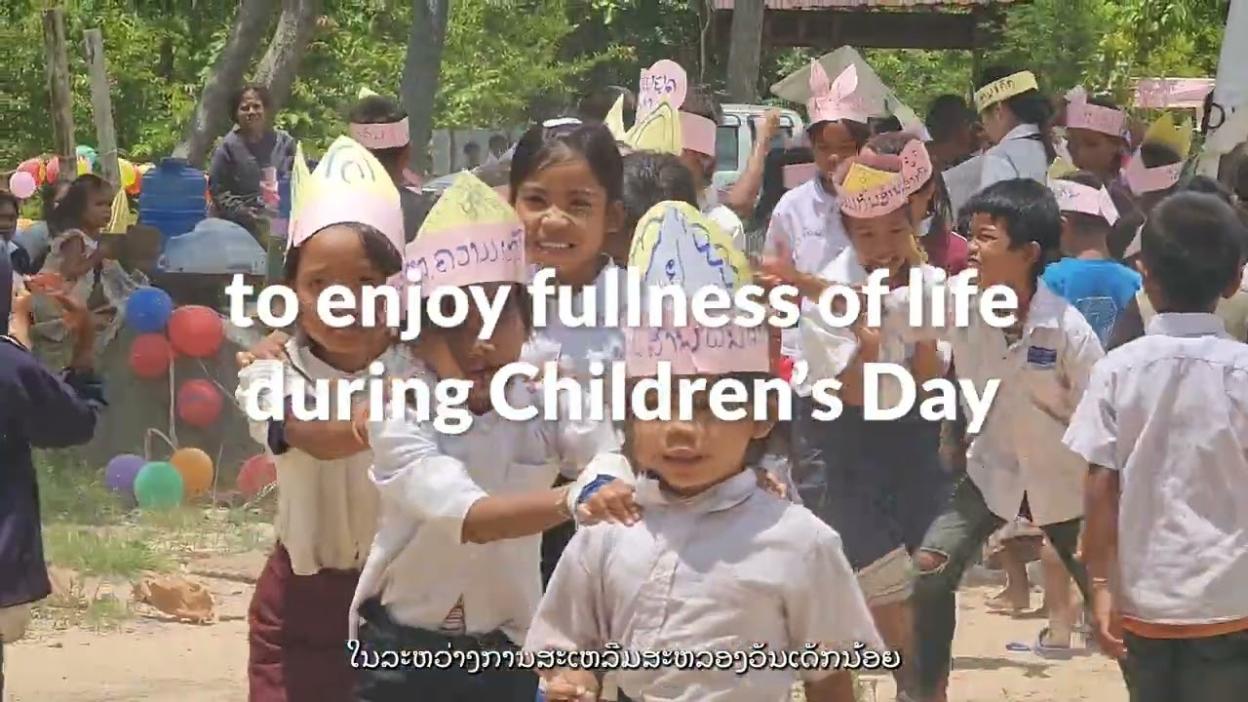
The 1st of June marks the International Children's Day celebrations for Laos. This year, World Vision, WWF, development partners and civil society call for immediate action to reduce our contribution to climate change and ensure Lao children can fulfill their right to a healthy planet.
With the Australian Department of Foreign Affairs and Trade, World Vision has improved nutrition outcomes of the children and rural families of Saravane province in the past five years.
World Vision started operating in Laos in 1968 through relief assistance provided to people displaced by the Indochina War. The organization closed in 1975 and reopened in 1991, resuming development work that focuses on improving the lives of vulnerable children. Since then, our mission to build brighter futures for Lao children has never stopped, adapting our programmes to the continuously evolving challenges faced by the most fragile part of the population.
Our grassroots approach allows us to create a life-changing experience for the communities we serve through development, relief, and advocacy projects. Our new country strategy for 2022-2026 will allow 1,3 million children to enjoy the fullness of life thanks to holistic programmes focusing on the following primary sectors: integrated health and nutrition, education, humanitarian and emergency affairs (HEA), and human rights and equity.