article / August 26, 2026
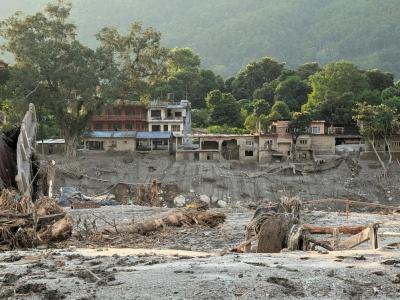
Back to the Fields: Mozambique Families Rebuild After Devastating Floods
World Vision Mozambique is helping 720 flood-affected families in Maganja da Costa rebuild livelihoods through seeds and farming tools, supporting recovery, food production and income generation after the January 2026 floods.
article / August 26, 2026
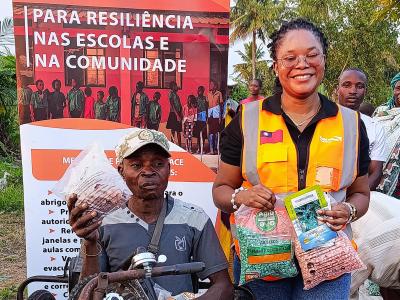
Turning floods into opportunities: Smart farming is changing lives
World Vision’s Water for Climate Resilience and Empowerment of Society (WACRESS) Project is supporting farmers to adopt climate-smart farming methods which are enhancing their production, diversifying livelihoods and strengthening food security for their families.
article / August 23, 2026
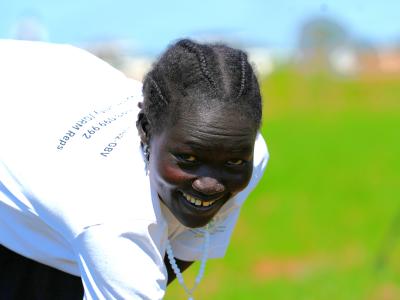
"What If I Ruin It?”: From one pair of trousers to a livelihood of her own
Sahira turned her sewing skills into a growing livelihood, gaining confidence, income and new opportunities to support her family.
article / August 25, 2026
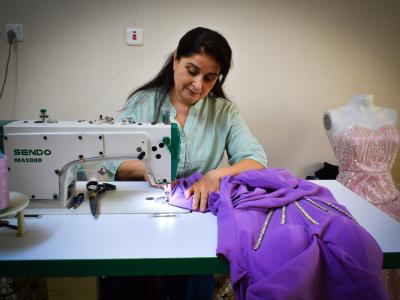
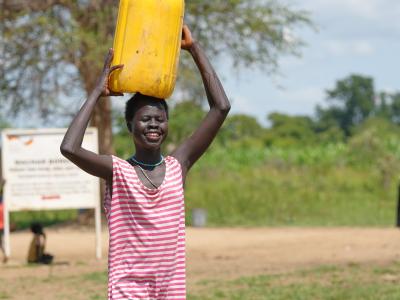
Water close to home, Hope close to heart
World Vision assessed the situation and rehabilitated the borehole through the funding of the German Federal Foreign Office (GFFO) Project as they saw the urgent needs of the community. The new borehole was built above ground level so it would be protected from contamination and accessible at all times of the year, as the Mangar-Tong area is affected by seasonal flooding.
article / September 1, 2026
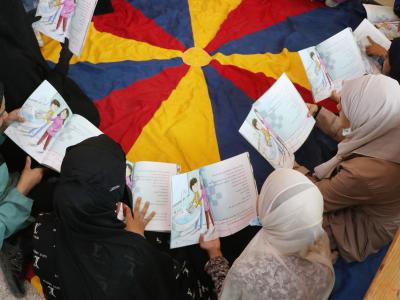
The Fig Tree That Wouldn't Die: Storytelling Idea Helps Syrian Kids Go Green
After being displaced from Syria, Lamiaa Soluiman launched a storytelling imitative with World Vision to teach children about environmental responsibility.
press release / August 26, 2026
Flash flood devastates Rasuwa and Nuwakot, leaving 162 dead and over 400 missing; World Vision International Nepal readying humanitarian response
Copilot said:
Flash floods in Rasuwa and Nuwakot have caused widespread devastation, leaving 95 dead and nearly 400 missing. WVI Nepal is preparing emergency food and shelter assistance for affected families.
article / August 31, 2026
I Only Lost My Shoe. They Lost Their World.
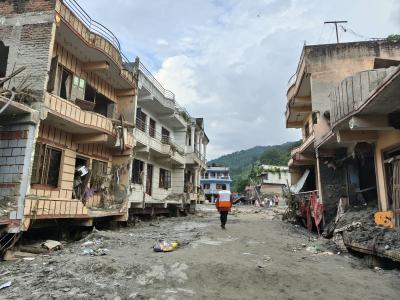
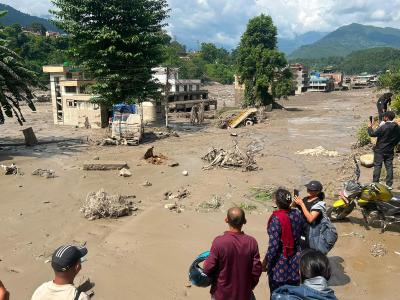
Golden light kissed shattered homes where memories slept beneath the mud. A red teddy bear lay silent in the ruins, carrying the echoes of childhood dreams swept away by the flood. I lost a shoe to the sludge, but thousands lost their homes, their safety, and the ordinary tomorrows they once imagined. Yet resilience rose like a river reed through the silt, bending beneath the torrent but refusing to break, as Bimala, a mother of a sponsored child, walked forward with quiet courage.
And above the wreckage, hope stood like sunlight after rain, stubborn as a seedling pushing through stone, refusing to be washed away.
article / August 24, 2026
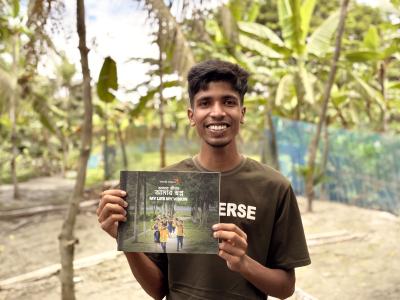
How Education Helped Durjoy Turn Hardship into Hope
Durjoy, our sponsored child from Bagerhat, overcame hardship to achieve GPA 5 in his SSC examination and pursue his dream of becoming an engineer. His story reflects how World Vision’s Sponsorship programme is helping transform the lives of thousands of children and families.
article / August 30, 2026
"The community is no longer recognizable" | Nepal Flash Floods Response 2026
When floodwaters swept through Devighat, Nuwakot, they left behind more than damaged homes. Families were displaced, children's routines were disrupted, and entire sections of the community became unrecognizable. In this field account WVI Nepal staff shares observations from the ground and the urgent needs facing children and families in the aftermath of Nepal's 2026 flash floods.