
publication / August 17, 2026
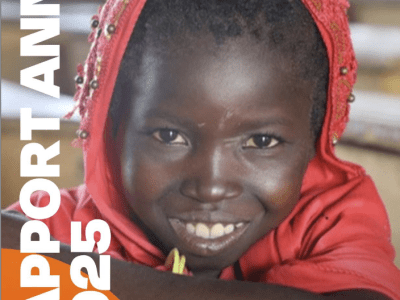
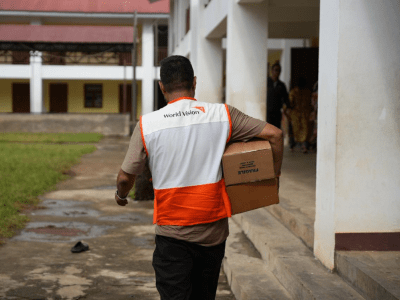
FY25 Annual Report | World Vision Central African Republic
Explore World Vision Central African Republic’s FY25 results in health, nutrition, education, child protection, WASH, and humanitarian response, improving the lives of the most vulnerable children and communities across the country.
publication / August 17, 2026
Rapport Annuel FY25 | World Vision République Centrafricaine
Explorez les résultats FY25 de World Vision RCA : santé, nutrition, éducation, protection de l’enfant, WASH et action humanitaire au service des enfants les plus vulnérables
article / December 3, 2020
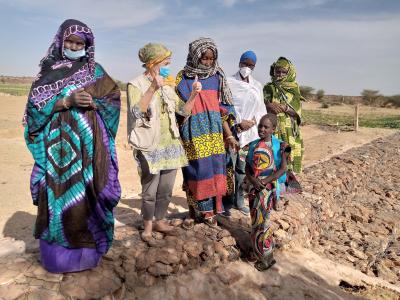
UNICEF Regional Director for West and Central Africa makes an official visit to Assaba with World Vision
The one-year Project for Strengthening the Resilience of the Communities Most Vulnerable to Malnutrition and Food Insecurity is implemented in six Mauritanian Communes of the Moughataa of Kiffa in the Wilaya of Assaba. This visit allowed Ms. Marie Pierre Poirier to exchange with project beneficiaries, as well as with administrative authorities and the technical team in charge of implementation and monitoring.
article / August 24, 2026
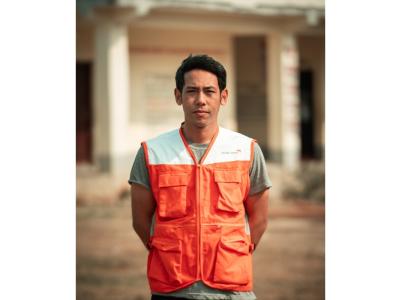
Storytelling Beyond the Headlines
Not all stories make the headlines. Through conversations with children and communities affected by crises, Binod Thapa Magar reflects on the moments that continue to shape his journey as a humanitarian storyteller.
article / February 1, 2021
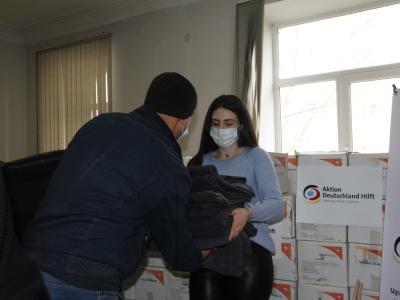
World Vision provides in-kind assistance within Aktion Deutschland Hilft grant project
World Vision Armenia is providing in-kind assistance to 10,020 families arriving from Nagorno-Karabakh to Armenia because of the armed conflict.
publication / May 25, 2026
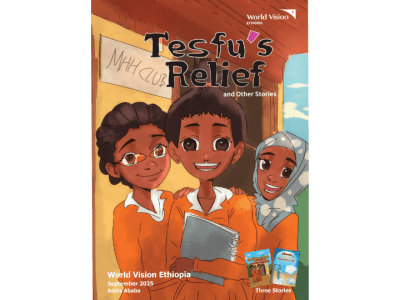
Tesfu’s Relief and Other Stories
Download World Vision Ethiopia’s menstrual health and hygiene awareness comic book, designed to spark safe, informed conversations in communities.
article / August 5, 2020
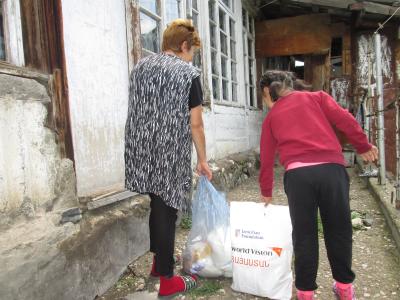
World Vision reaches 1100 more families as part of its COVID-19 response, with funding from Izmirlian Foundation
The outbreak of COVID-19 globally brought significant challenges in the lives of the most vulnerable and extremely poor families across the globe, including Armenia.
article / April 27, 2022
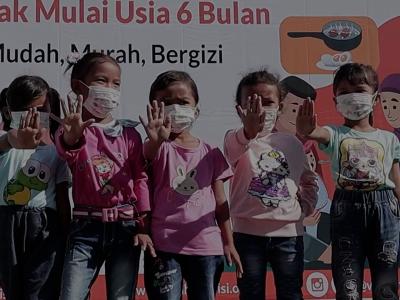
Indonesia: Eggciting project helps reduce stunting rates
The Eggciting project in Indonesia, supported by DSM and Sight and Life, helps reduce child stunting rates.
video / May 26, 2021
World Vision stands next to the families affected by Nagorno-Karabakh conflict
From the very first days of the armed conflict, World Vision Armenia has reorganised its programmes to provide multifaceted assistance to displaced families from Nagorno-Karabakh.