press release / July 30, 2026
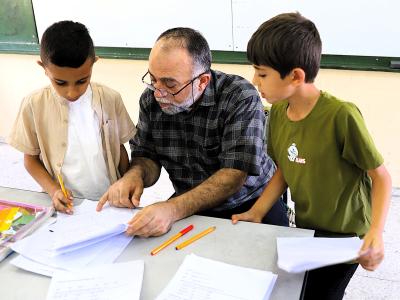
Nearly 24,000 Palestinian Children, Teachers and Caregivers Reclaim Safe Learning in the West Bank
The project restored safe access to education and psychosocial support for nearly 24,000 children, teachers and caregivers in the West Bank.
page / August 12, 2026
Lasting Transformation & Results for Children in West Africa
In 2025, conflict, climate shocks, and a deepening funding crisis continued to heighten vulnerability for children and families across West Africa.
publication / July 31, 2026
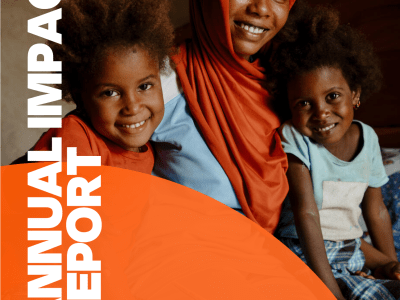
West Africa Annual Impact Report 2025
In 2025, World Vision reached 11.5 million people across West Africa, including 6.6 million children. Read our annual impact report.
publication / July 6, 2026
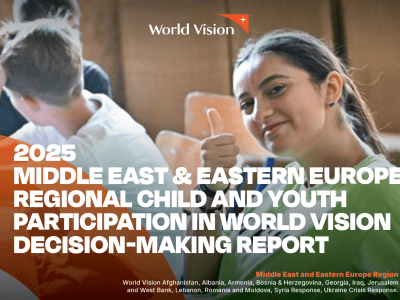
2025 Middle East & Eastern Europe Regional Child Participation in WV Decision-Making Report
The 2025 Regional Middle East & Eastern Europe Child Participation Report details the impact of engaging boys and girls in decision-making at local and national levels.
press release / June 26, 2026
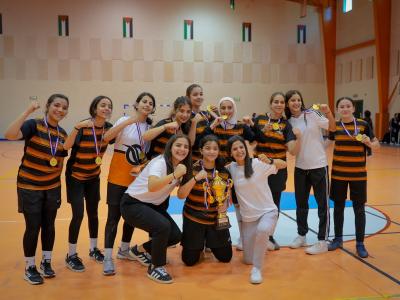
World Cup Initiative for West Bank Children is a Success
The ‘Every Child Has the Right to Play Safely’ initiative brought together over 200 children and youth through football, inclusive activities, and safe spaces.
press release / June 30, 2026
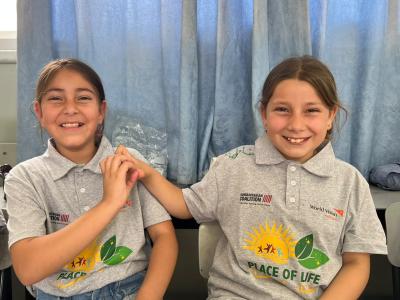
Space to Be Children Again: Summer Camps Reach Hundreds Across the West Bank
Makani Summer Camps in the West Bank provided safe spaces for children, including children with disabilities, to learn, play and receive psychosocial support.
publication / July 6, 2026
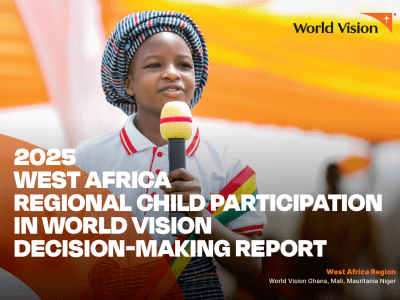
2025 West Africa Regional Child Participation in WV Decision-Making Report
The 2025 Regional West Africa Child Participation Report details the impact of engaging boys and girls in decision-making at local and national levels.
article / July 23, 2026
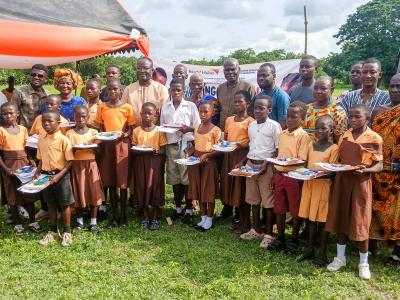
Reading Festival Boosts Literacy and Learning Among Children in Krachi West, Ghana
A reading festival in Krachi West, Ghana, is helping children strengthen literacy skills, build confidence and develop a lifelong love of learning.
publication / July 27, 2026
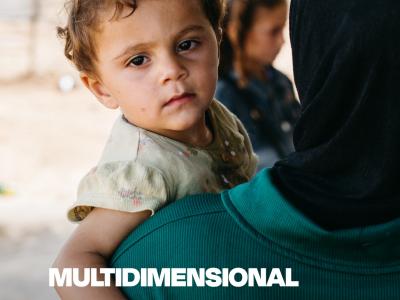
Multidimensional Child Vulnerability in the Middle East and Eastern Europe
This unique tool developed by World Vision and IEP helps better track and compare measures of child vulnerability, underscoring the urgent needs of children.
article / August 3, 2026
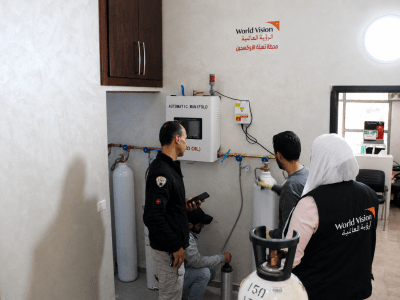
A Lifeline for Rural Communities: How an Oxygen Filling Unit is Saving Lives in Qaryout
As access to healthcare becomes increasingly difficult, an oxygen filling unit in Qaryout is helping save lives by bringing essential oxygen closer to rural communities.