publication / September 2, 2026
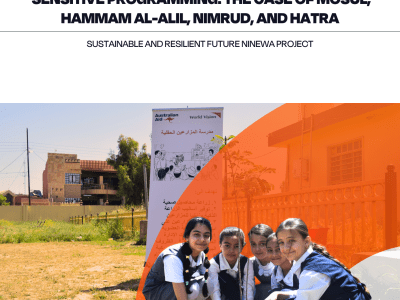
Context and Conflict Analysis: Sustainable and Resilient Future Ninewa Project
Explore World Vision’s Context and Conflict Analysis for Ninewa, Iraq, examining conflict dynamics, livelihoods, climate pressures, inclusion, and opportunities to strengthen resilience and social cohesion.
article / August 31, 2026
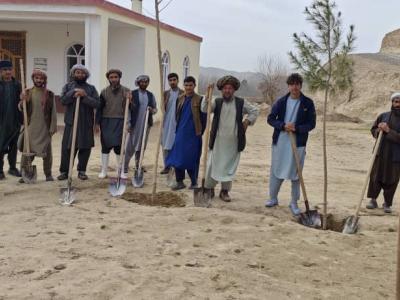
Empowered to Respond: A Community Building Its Own Resilience
In Faryab, a community-based disaster management group is responding to floods, fires and other risks, protecting lives, livelihoods and building resilience.
article / August 23, 2026
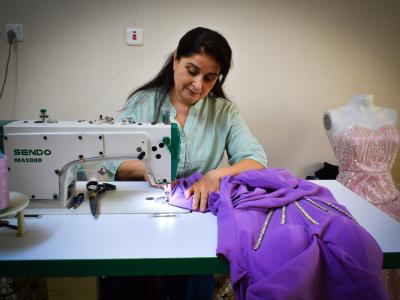
"What If I Ruin It?”: From one pair of trousers to a livelihood of her own
Sahira turned her sewing skills into a growing livelihood, gaining confidence, income and new opportunities to support her family.
publication / August 26, 2026
POLICY BRIEF: Debt for What?
This policy brief on public debt utilisation in Kenya and Zambia, examining how borrowed resources translate into development outcomes
article / August 26, 2026
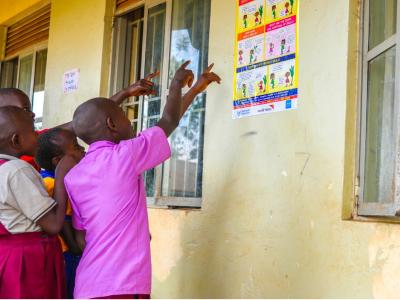
Turning floods into opportunities: Smart farming is changing lives
World Vision’s Water for Climate Resilience and Empowerment of Society (WACRESS) Project is supporting farmers to adopt climate-smart farming methods which are enhancing their production, diversifying livelihoods and strengthening food security for their families.
video / August 26, 2026
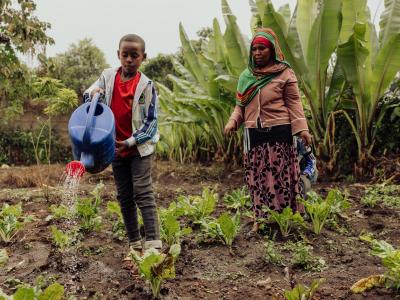
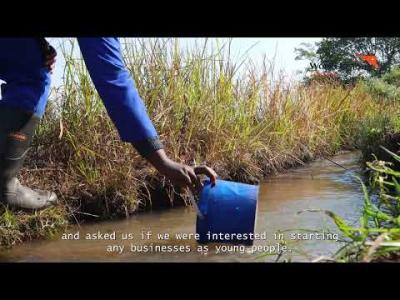
From Financial Struggles to a Thriving Farmer
At 31, Busisiwe is building a brighter future through farming after experiencing pregnancy as a teenager. Supported by World Vision’s HIV prevention project and Youth Enterprise Revolving Fund, she is strengthening her livelihood and economic independence.
article / August 27, 2026
World Vision Ghana Calls for Enhanced Border Preparedness as Humanitarian Pressures Rise in West Africa
World Vision Ghana is urging stronger border surveillance and humanitarian preparedness as insecurity and climate shocks in Burkina Faso increase displacement pressures across West Africa, threatening vulnerable communities along Ghana's northern frontier.

article / August 24, 2026
More Than a Business: Creating a Future for Her Children
With support from SPIR II, Senait transformed a small livestock investment into a thriving poultry business, improving nutrition, income, and opportunities for her children.
publication / August 28, 2026
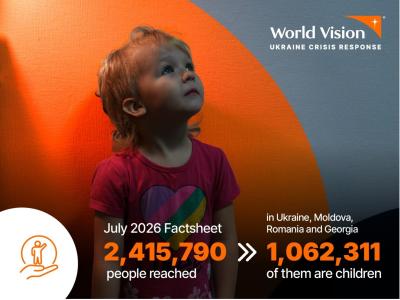
Over 2.4M Lives Supported: July 2026 Factsheet
As of July 2026, World Vision Ukraine Crisis Response has provided critical assistance to 2,415,790 people across Ukraine, Moldova, Romania and Georgia.