publication / March 3, 2026
South Asia and Pacific 2025 Impact Report
Rising Together: Hope for Every Child | World Vision South Asia and Pacific 2025 Impact Report reveals how evidence-based programs reached 5.8 million children and 9.2 million people. Explore how we are tackling climate shocks, child hunger, and violence through locally-led solutions for children and communities across 15 countries.
article / March 3, 2026
Give to Gain: Why Investing in Women and Girls Strengthens Bangladesh
Investing in women and girls in Bangladesh drives economic growth, climate resilience, and sustainable development. Learn why gender equality matters.
landing page / February 26, 2026
Unlock Literacy in Urban Context: Adaptation, Lessons and Implications
publication / February 23, 2026
World Vision East Africa Impact Report 2025
Despite escalating conflict, climate shocks, economic instability and widespread displacement, we reached over 26 million people, including 16.4 million children
article / February 27, 2026
Reviving Hope: Scholastica’s Story and the Transformation of Kipkenda Village
In Elgeyo Marakwet County, farmers are restoring degraded land through Farmer Managed Natural Regeneration (FMNR), improving harvests, reducing firewood shortages, and transforming livelihoods for families like Scholastica Koech’s.
article / February 27, 2026
From Survival to Stability: How Savings Groups Transformed Musa’s Life and Community
In Baringo County, Musa Chemjor is rebuilding his family’s future through FMNR and Savings for Transformation groups, gaining financial discipline, restoring livelihoods, and moving from daily survival to stability.
publication / February 19, 2026
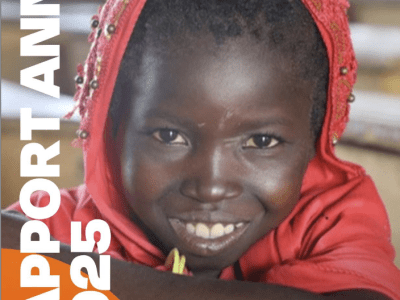
2025 Impact Report: Burkina Faso
This report provides an overview of the work of World Vision International in Burkina Faso, from October
2024 to September 2025.
article / February 20, 2026
Unlocking the Middle Tier: Learning Through Dialogue
There is much focus on the “middle tier” in Education systems in low- and middle-income countries at present. The middle tier describes groups of professionals at county, zone, district or provincial level whose role is to monitor and support schools (UNESCO, 2025). They are the people who often become master trainers or are tasked with supporting the implementation of a new curriculum or new initiative. The middle tier acts as a mediator between policy makers (top leadership) and implementers (teachers). We have argued that they are key actors in the implementation of high quality TPD@Scale, but that they often lack the knowledge, skills, and professional development opportunities to carry out this role effectively.
article / February 25, 2026
World Vision’s Integrated Support Restores Dignity and Learning for 312 Learners in Matlameng Area Programme
From water scarcity and unsafe sanitation to dignity and thriving learning spaces — see how World Vision’s integrated programs changed life for 312 learners in Matlameng.