
publication / August 26, 2026
POLICY BRIEF: Debt for What?
This policy brief on public debt utilisation in Kenya and Zambia, examining how borrowed resources translate into development outcomes
article / August 21, 2026
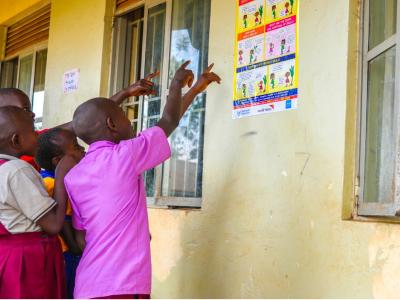
Karawa Communities Raise Their Voices for Security Through Citizen Voice and Action
This article highlights how communities in Karawa, North Ubangi, used World Vision DRC’s Citizen Voice and Action (CVA) approach to identify insecurity as a key concern and peacefully advocate for stronger protection measures. Through community mobilisation, dialogue with authorities and a formal advocacy memorandum, residents demonstrated how informed citizens can influence local governance and contribute to building safer, more resilient communities.
article / August 27, 2026
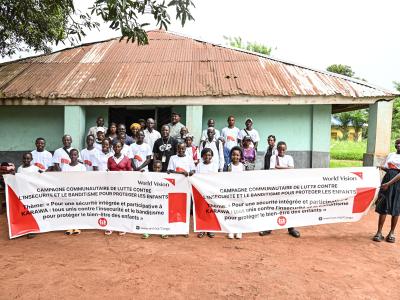
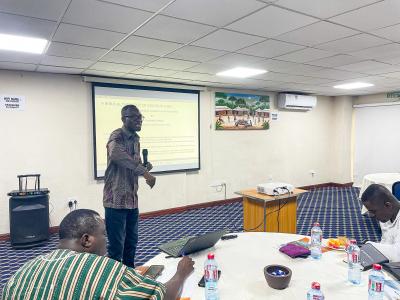
World Vision Ghana Advances Child-Centred Creation Care Through National Consultative Workshop
World Vision Ghana convened a three-day consultative workshop in Accra, bringing together faith leaders, theological institutions and development practitioners to strengthen child-centred Creation Care and advance environmental stewardship and climate action through churches.
article / August 31, 2026
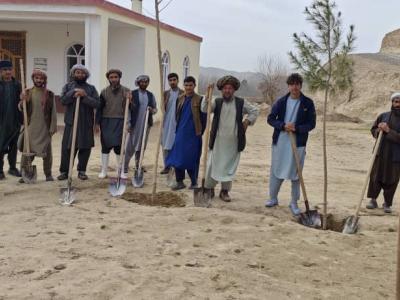
Empowered to Respond: A Community Building Its Own Resilience
In Faryab, a community-based disaster management group is responding to floods, fires and other risks, protecting lives, livelihoods and building resilience.
article / August 27, 2026
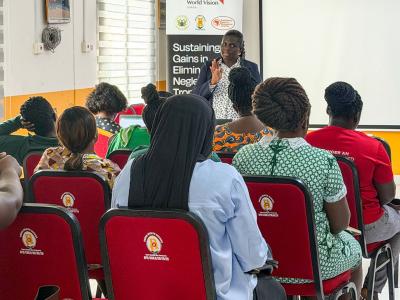
World Vision Ghana Trains over 270 Health Workers to Strengthen Community-Based Surveillance and Care for Neglected Tropical Diseases
World Vision Ghana, in partnership with the National NTD Programme, is strengthening community-based surveillance and care for neglected tropical diseases through the training of frontline health workers, improving early detection, referrals, NHIS enrolment and access to essential healthcare services.
article / August 26, 2026
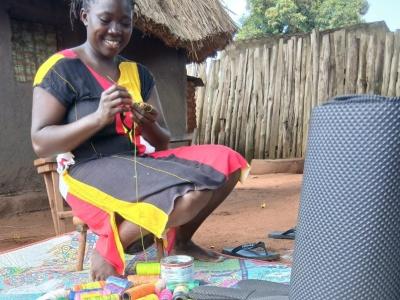
Empowered by Opportunity: Rhoda's Journey Back to Her Craft
When the Empowered Worldview (EWV) training came to Maridi, Rhoda was mobilized along with 74 others. She was placed in the first group, one of the earliest to sit through the three-day training.
She did not know it yet, but those three days would undo years of quiet self-doubt.
The sessions moved through identity, vision, relationships, the roots of poverty, and mindset change grounded in biblical reflection. Two stories struck something in her: Moses and the staff in his hand (Exodus 4:1–5), and the widow whose jars of oil never ran dry (2 Kings 4:1–7).
article / August 24, 2026
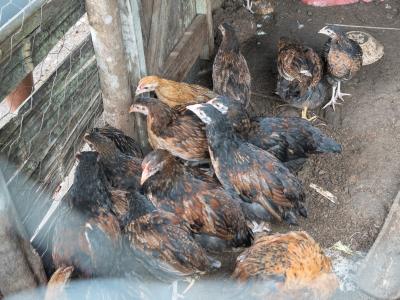
Raising chickens, raising hope: Mamalade Youth build a brighter future
A member of the Mamalade Community youth group stands outside the poultry house holding one of the chickens raised through the youth-led poultry project. Photo: World Vision Solomon Islands.
video / August 21, 2026
Saving Lives on the Front Lines: Honouring Ebola Responders This World Humanitarian Day
This video highlights the courage and challenges faced by Ebola responders in the DRC, where misinformation, community resistance and security risks complicate efforts to contain the outbreak. Christian Kasereka shares how World Vision is using faith-based Channels of Hope to build trust, strengthen community engagement and help save lives, while calling for greater protection of humanitarian workers.
