
No mother should die giving birth - a campaign supporting Romanian mothers/women

Romania has one of the highest levels of poverty in the European Union, with 42% of the population at risk of poverty and social exclusion. It’s no surprise that the country’s maternal mortality rates are more than double the average of other EU countries.
World Vision’s ‘Mothers for life. Life for Mothers’ programme is improving both family planning and maternal health services for vulnerable women in three rural counties within Romania.
The programme uses an integrated model, which involves training healthcare professionals to provide antenatal and postnatal care, strengthening local government capacity to deliver maternal healthcare services and raising awareness among women and girls about the health services available to them.
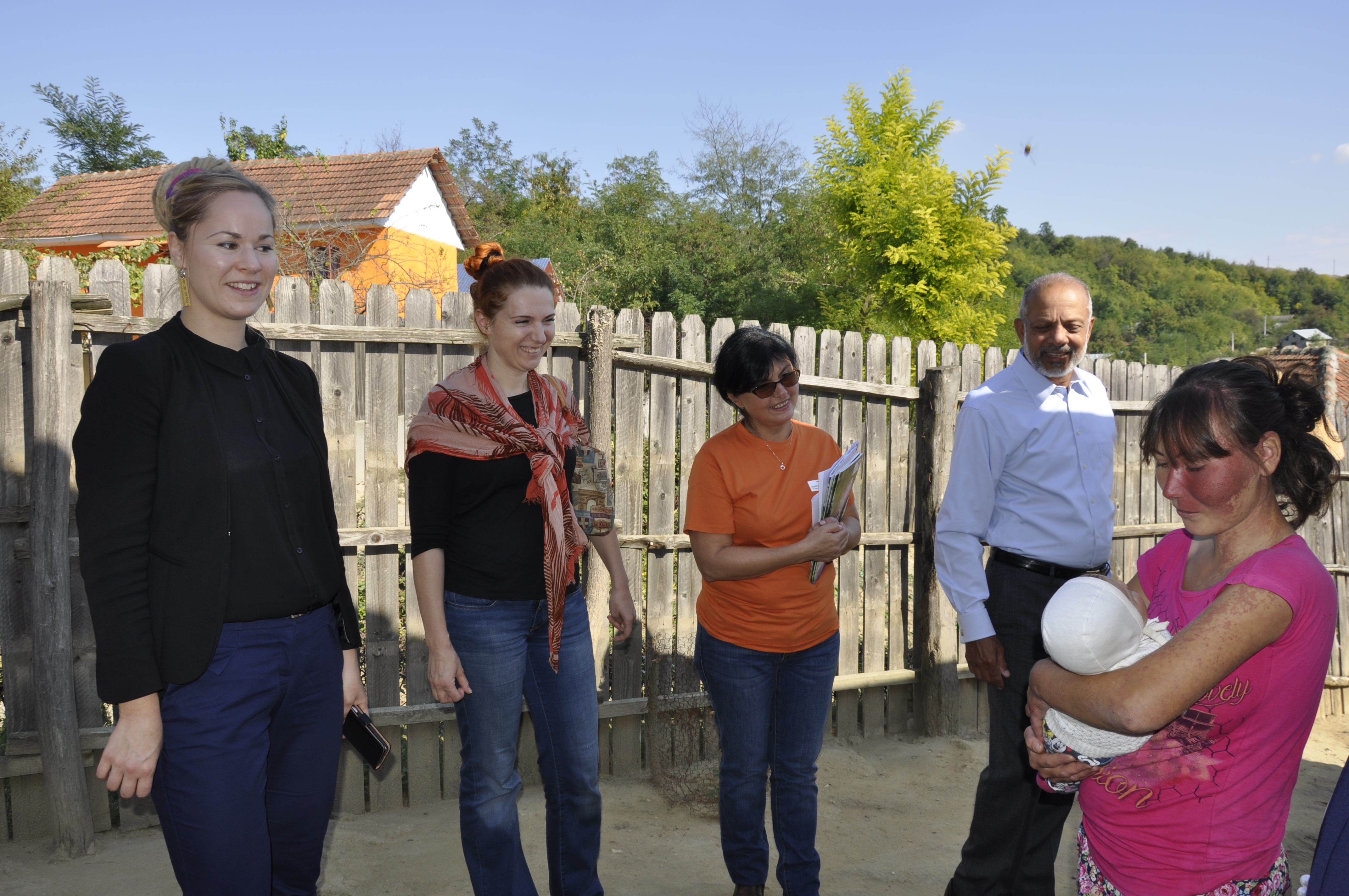
Geta Ungureanu, the project coordinator in Dolj, Romania, believes the work being done by Mothers for life, Life for mothers is vital;
‘The ’Mothers for Life. Life for Mothers project’ is held in 10 communities within Dolj County. This project responds to the needs of women and girls aged 15 to 40 years, women who are fertile and lack knowledge on how to manage their desired or undesired pregnancies. Through this project, we inform them about the services they can access and the rights (pregnant) women in Romania have ‘
When a team from pharmaceutical company Merck Sharp and Dohme visited communities in Dolj, Romania, they met a young Romanian mother named Claudia.
Claudia is a mother to three children, who became a parent when she was only 16 years old. Claudia had a difficult childhood, she lost her father at the age of 13 and her family was left to manage on its own. Her mother did not support her daughter going to school, so she ultimately had to quit school. With no choice but to work in order to survive, she took care of an old woman dying of cancer for 3 years as a care giver.
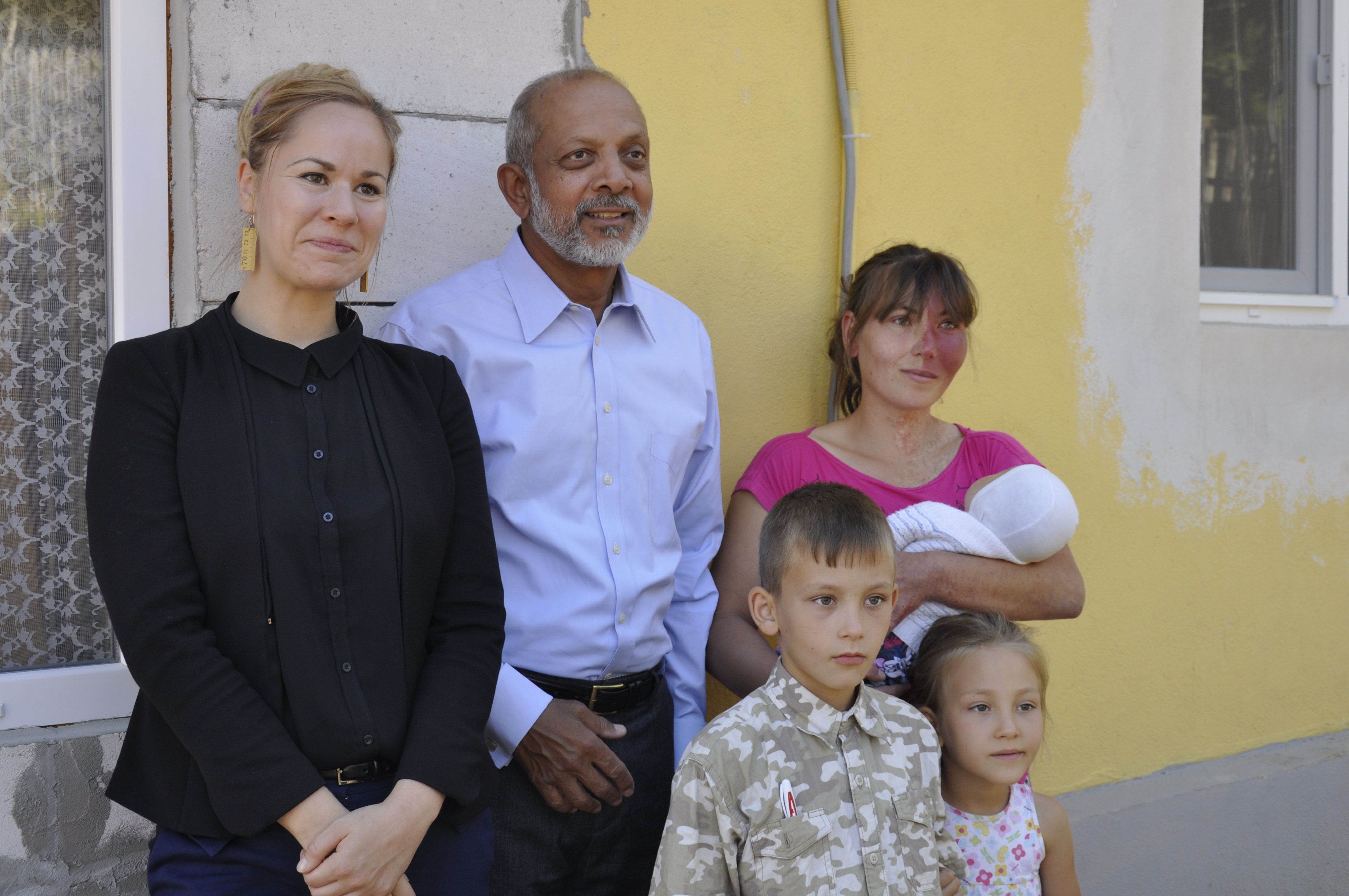
When she was 16 she met her husband and they started a family. Claudia recounts her first birth quite vividly;
‘At 16 I gave birth to Robert. I was a child with a child. At first I did not realise that I was pregnant. Pregnancy was difficult. I could not give birth at Filiaşi and I was sent to Craiova. I had complications at birth. I suffer from a rare disease of the skin and I was scared not to transmit it to my children. I had a very difficult birth‘.
For her first pregnancy she never went to a doctor or get any ultrasound tests. However for her following two pregnancies, Claudia was guided and encouraged by a World Vision community worker and local community doctor to go to a specialist. Ultimately the extra tips and advice have been helpful, as Claudia gave birth to two more children with no problems or complications.
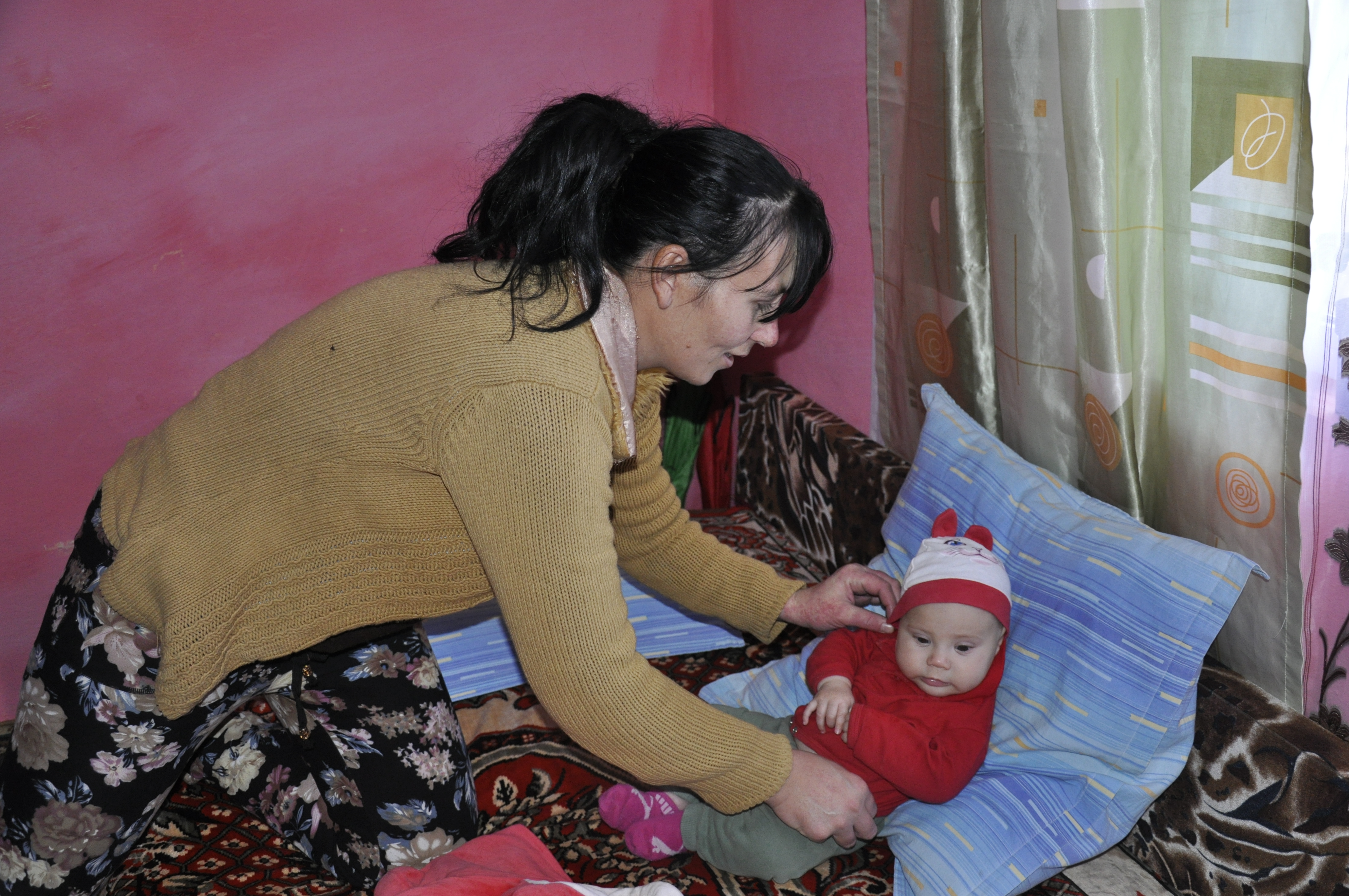
’We try to give support to mothers in our community. Together with the village doctor we have supported and encouraged them to go to a specialist. As we know their financial resources are limited and most of them won't see a doctor. Many women have more children at home, and for them it's more important to buy food, rather than do an ultrasound, ‘said Elizabeth Vieru, community educator from Argetoaia.
Over time, Claudia has been a beneficiary of the projects undertaken by World Vision Romania in her community. She has participated in health information sessions and she is currently a beneficiary of the ‘Mothers for life. Life for mothers’ programme.
As such Claudia is a firm advocate for the project, stating; ‘The sessions I attended are welcome in our village for young women and young mothers. This information helps us to learn about our body, to realise what happens to us when we get pregnant, what to do to protect ourselves and others, how to protect ourselves from diseases and how to give birth to healthy children’.
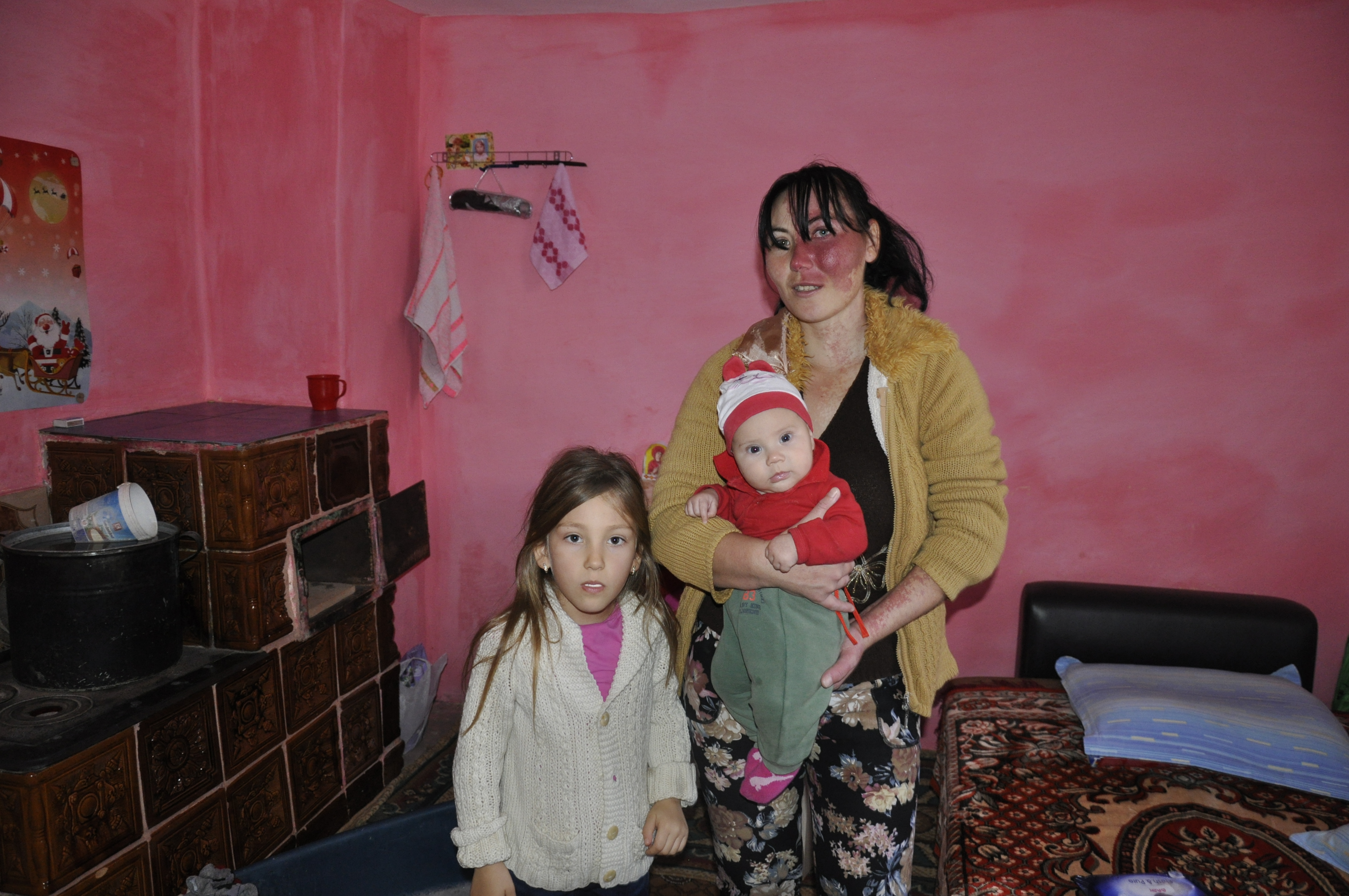
Through this project World Vision Romania foundation, along with pharmaceutical company Merck Sharp and Dohme Romania are aiming to cut down the maternal mortality in Romania. The final goal is that no mother has to die while giving birth.
Dr. Naveen Rao, lead of Merck Sharp and Dohme for Mothers concluded that this was a widespread problem needing to be fixed:
‘Most of us consider the death of a woman during pregnancy or childbirth a tragedy confined to developing countries. But, we’ve learned that even in the most medically advanced nations, too many women are dying giving life. Why is this happening? Regrettably, women do not have equitable access to high quality healthcare – even though this should be a fundamental right. Throughout Europe, women that are poor, young migrants or from minority ethnic groups are most likely to suffer from poor maternal healthcare.’