article / May 13, 2026
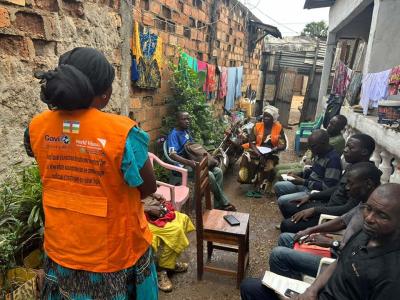
Comment un père sceptique est devenu un défenseur de la vaccination
En Centrafrique, le projet Zéro Dose Zéro Barrière mobilise les pères pour lever les réticences à la vaccination et protéger les enfants.
article / July 28, 2026
How a School Club Is Transforming Lives Beyond the Classroom
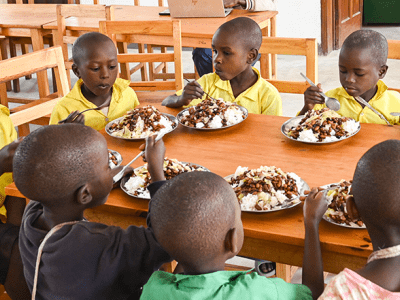
At EP Gihango Primary School, the WASH and Nutrition Club is empowering children to become leaders in the fight against malnutrition. Through lessons on hygiene, nutrition, and healthy living, students are improving practices at school, inspiring healthier habits at home, and even supporting vulnerable classmates.
When Violette struggled to access school meals, club members mobilized their parents to raise funds for her and seven other children, demonstrating remarkable compassion and leadership. Supported by World Vision Rwanda's ENOUGH Campaign and partners, the club is proving that children can be powerful agents of change, helping create healthier families, stronger communities, and a future where every child has the opportunity to thrive.
publication / August 14, 2026
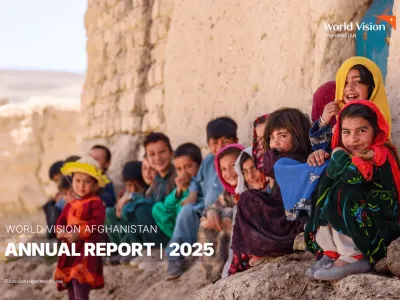
World Vision Afghanistan Annual Report | FY25
In FY25, World Vision Afghanistan reached 1,497,975 people, including 808,015 children, through 36 projects and grants.
article / August 8, 2026
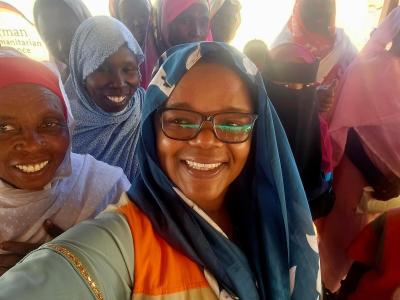
When aid cannot reach Sudan’s children, hope has to travel the hardest road
A firsthand account from Sudan reveals the dangers children and aid workers face, and why protection, access and funding are urgently needed.
article / June 17, 2026
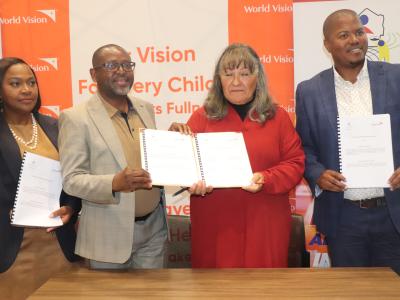
World Vision Eswatini and Esicojeni Foundation Unite to Strengthen Support for Vulnerable Children and Families
World Vision Eswatini and the Esicojeni Foundation have signed a new partnership worth over SZL 1.2 million to support vulnerable children, families, youth, and schools in the Shiselweni Region through livelihoods, food security, and empowerment initiatives.
publication / August 6, 2026
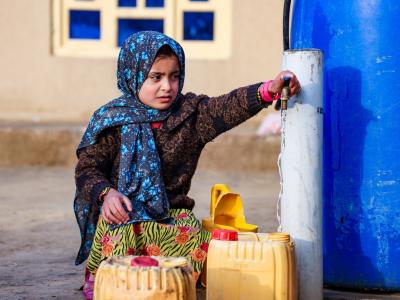
Situation Report | Reporting Period: 1 April – 31 May FY26
World Vision Afghanistan's April–May 2026 humanitarian response reached 223,734 people across multiple sectors.
publication / August 6, 2026
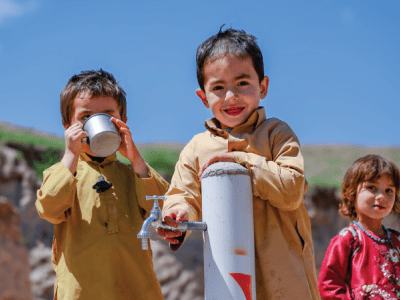
Situation Report | Reporting Period 1 February – 31 March FY26
World Vision Afghanistan reached 463,622 people through health, WASH, food security, livelihoods, protection, and emergency response.
publication / August 6, 2026
Situation Report I Period 1 December 2025 – 31 January FY26
World Vision Afghanistan reached 450,542 people with health, WASH, food security, livelihoods, protection, and emergency assistance.
publication / July 6, 2026
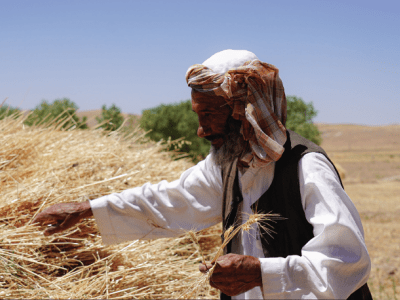
The inaugural Global Dialogue on AI Governance must deliver for children
This joint statement, calls on governments to place children’s rights at the centre of AI governance.
publication / July 6, 2026
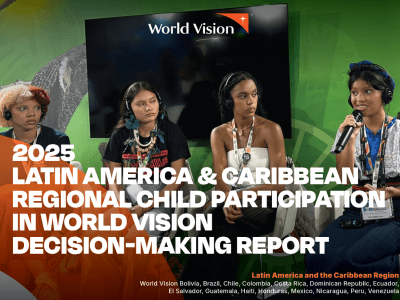
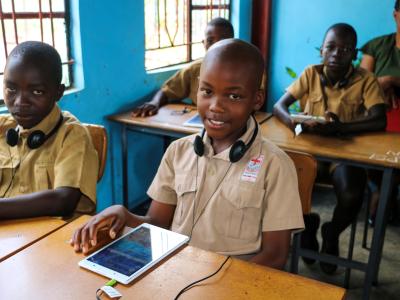
2025 Latin America & Caribbean Regional Child Participation in WV Decision-Making Report
The 2025 Regional Latin America & Caribbean Child Participation Report details the impact of engaging boys and girls in decision-making at local and national levels.