article / July 29, 2026
ENOUGH CAMPAIGN: Mozambique Approves National School Feeding Strategy
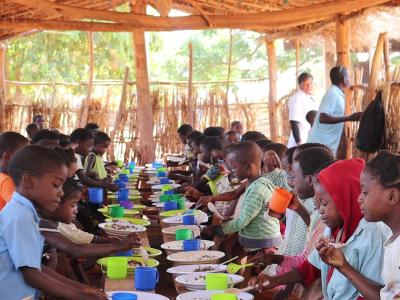
Council of Ministers approves the National School Feeding Strategy, strengthening the country´s environment that supports children's learning and combat to malnutrition.
publication / August 6, 2026
Situation Report I Period 1 December 2025 – 31 January FY26
World Vision Afghanistan reached 450,542 people with health, WASH, food security, livelihoods, protection, and emergency assistance.
article / July 28, 2026
How a School Club Is Transforming Lives Beyond the Classroom
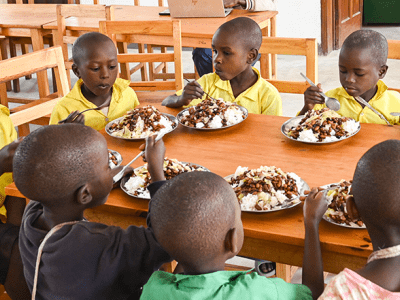
At EP Gihango Primary School, the WASH and Nutrition Club is empowering children to become leaders in the fight against malnutrition. Through lessons on hygiene, nutrition, and healthy living, students are improving practices at school, inspiring healthier habits at home, and even supporting vulnerable classmates.
When Violette struggled to access school meals, club members mobilized their parents to raise funds for her and seven other children, demonstrating remarkable compassion and leadership. Supported by World Vision Rwanda's ENOUGH Campaign and partners, the club is proving that children can be powerful agents of change, helping create healthier families, stronger communities, and a future where every child has the opportunity to thrive.
publication / July 27, 2026
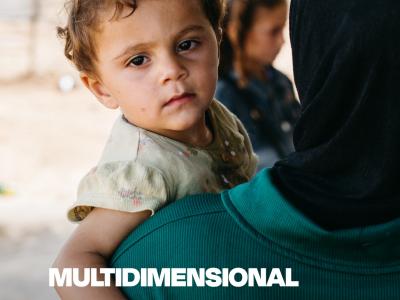
Multidimensional Child Vulnerability in the Middle East and Eastern Europe
This unique tool developed by World Vision and IEP helps better track and compare measures of child vulnerability, underscoring the urgent needs of children.
article / May 13, 2026
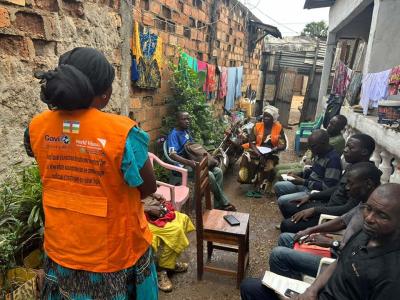
Comment un père sceptique est devenu un défenseur de la vaccination
En Centrafrique, le projet Zéro Dose Zéro Barrière mobilise les pères pour lever les réticences à la vaccination et protéger les enfants.
publication / June 17, 2026
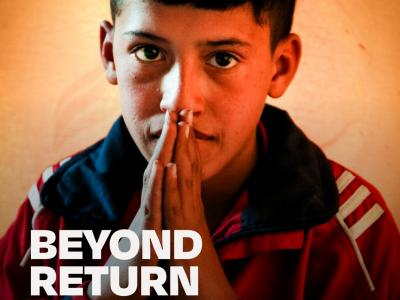
Beyond Return: Child and Family Wellbeing among Refugee and IDP Returnees in Ukraine and Syria
New WV policy brief reveals that long after displacement ends, many children continue to face insecurity, hunger, disrupted education and psychological distress.
publication / August 3, 2026
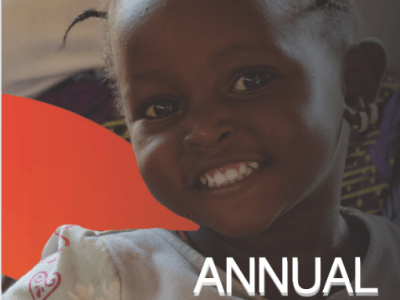
Discover World Vision Sierra Leone's 2025 Annual Report
Find out how our work helped improve the well-being of children in Sierra Leone during our 2025 financial year.
publication / July 30, 2026
Lebanon Response 2026 - Situation Report #15
World Vision Lebanon’s Situation Report 15 highlights ongoing displacement, fragile returns and emergency assistance reaching 218,203 people.
publication / July 6, 2026
2025 Middle East & Eastern Europe Regional Child Participation in WV Decision-Making Report
The 2025 Regional Middle East & Eastern Europe Child Participation Report details the impact of engaging boys and girls in decision-making at local and national levels.