article / August 24, 2026
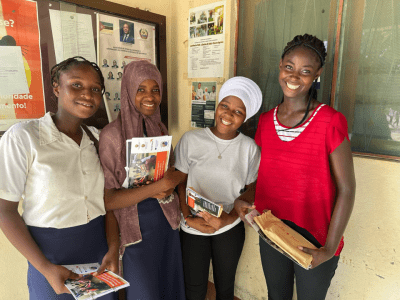
Storytelling Beyond the Headlines
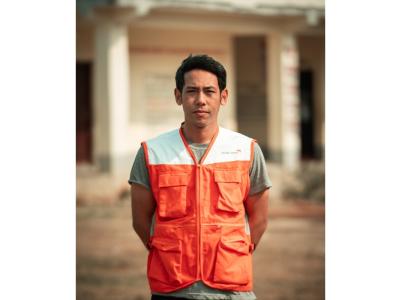
Not all stories make the headlines. Through conversations with children and communities affected by crises, Binod Thapa Magar reflects on the moments that continue to shape his journey as a humanitarian storyteller.
publication / August 17, 2026
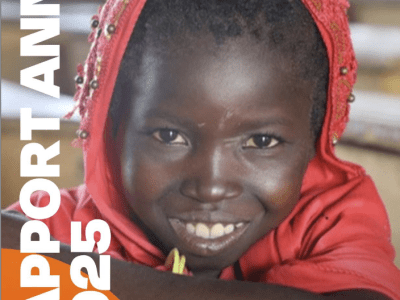
FY25 Annual Report | World Vision Central African Republic
Explore World Vision Central African Republic’s FY25 results in health, nutrition, education, child protection, WASH, and humanitarian response, improving the lives of the most vulnerable children and communities across the country.
publication / June 1, 2026
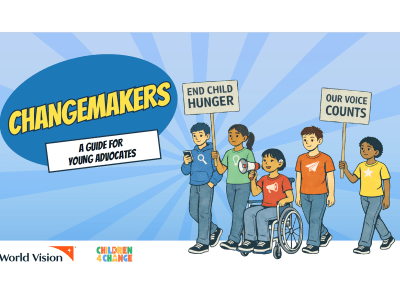
Changemakers - A guide for young advocates
Part of the Changemakers Digital Package, this resource helps young advocates understand advocacy and take safe, inclusive action through activities and steps.
publication / August 17, 2026
Rapport Annuel FY25 | World Vision République Centrafricaine
Explorez les résultats FY25 de World Vision RCA : santé, nutrition, éducation, protection de l’enfant, WASH et action humanitaire au service des enfants les plus vulnérables
publication / May 25, 2026
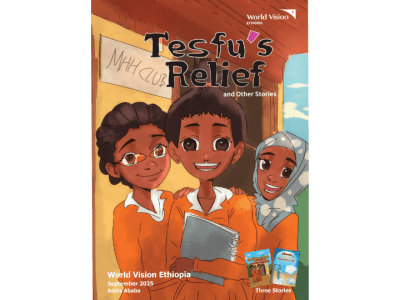
Tesfu’s Relief and Other Stories
Download World Vision Ethiopia’s menstrual health and hygiene awareness comic book, designed to spark safe, informed conversations in communities.
article / December 3, 2020
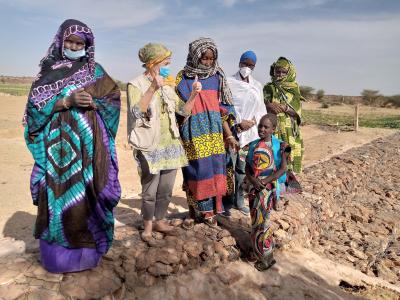
UNICEF Regional Director for West and Central Africa makes an official visit to Assaba with World Vision
The one-year Project for Strengthening the Resilience of the Communities Most Vulnerable to Malnutrition and Food Insecurity is implemented in six Mauritanian Communes of the Moughataa of Kiffa in the Wilaya of Assaba. This visit allowed Ms. Marie Pierre Poirier to exchange with project beneficiaries, as well as with administrative authorities and the technical team in charge of implementation and monitoring.
article / July 16, 2021
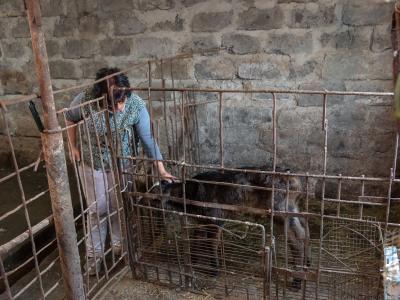
Optimism is half battle won
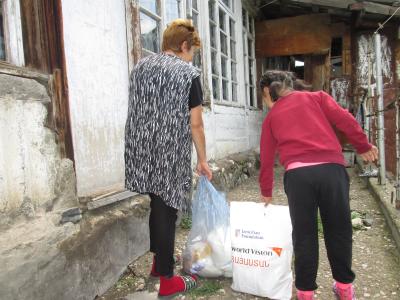
Ophelia lives with her big family in one of the communities of Amasia, Shirak Marz, Armenia.
article / October 22, 2020
Celebrating Global Handwashing Day 2020 in Mauritania
The objective of year's Global Handwashing Day celebrations, organised by the Ministry of National Education, Vocational Training and Reform in collaboration with our partner UNICEF, was to promote hygiene as an effective and affordable way to prevent the spread of diseases.
article / August 5, 2020
World Vision reaches 1100 more families as part of its COVID-19 response, with funding from Izmirlian Foundation
The outbreak of COVID-19 globally brought significant challenges in the lives of the most vulnerable and extremely poor families across the globe, including Armenia.