publication / August 17, 2026
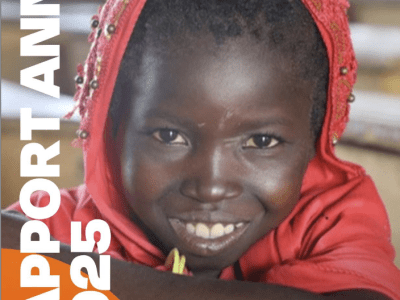
FY25 Annual Report | World Vision Central African Republic
Explore World Vision Central African Republic’s FY25 results in health, nutrition, education, child protection, WASH, and humanitarian response, improving the lives of the most vulnerable children and communities across the country.
article / October 22, 2020
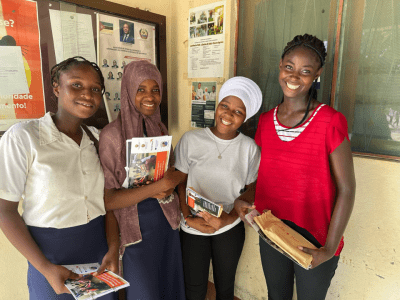
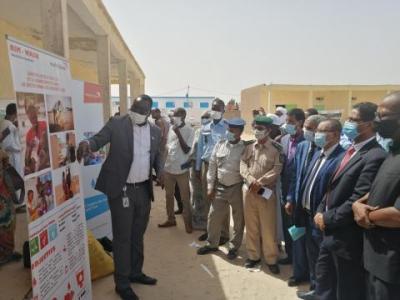
Celebrating Global Handwashing Day 2020 in Mauritania
The objective of year's Global Handwashing Day celebrations, organised by the Ministry of National Education, Vocational Training and Reform in collaboration with our partner UNICEF, was to promote hygiene as an effective and affordable way to prevent the spread of diseases.
publication / May 25, 2026
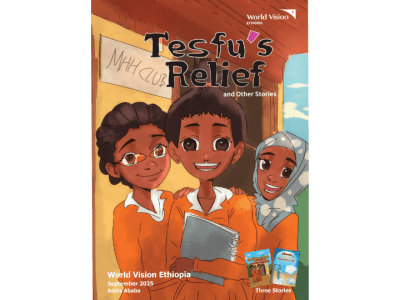
Tesfu’s Relief and Other Stories
Download World Vision Ethiopia’s menstrual health and hygiene awareness comic book, designed to spark safe, informed conversations in communities.
article / December 11, 2020
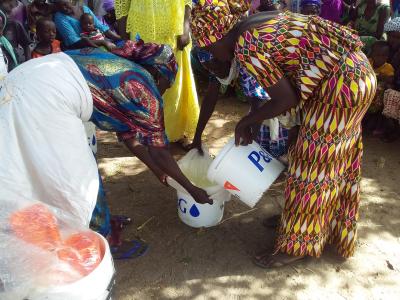
Safe drinking water to improve children's well-being
In several parts of Senegal, access to drinking water remains a problem. World Vision's Senegal office, in partnership with World Vision's United States office, is implementing a project called “Safe drinking water for Senegal” to contribute to access to clean water in quantity and quality in the most disadvantaged areas of Kédougou, Tambacounda, and Kolda regions.
article / August 24, 2021
Strengthening Mauritanian civil society organisations for local development
In cooperation with World Vision and the NGO Tenmya, the European Union initiated in 2016 a project of capacity-building and restructuring of civil society in Mauritania through the European Programme for Civil Society and Culture (FED/PESCC).
article / July 16, 2021
Family in desperate situation is back on their feet
When you meet Khanum, you will not even guess about the difficulties she overcomes, because she is always smiling and optimistic.
article / July 16, 2021
Optimism is half battle won
Ophelia lives with her big family in one of the communities of Amasia, Shirak Marz, Armenia.
article / February 5, 2021
Promoting zero tolerance for Female Genital Mutilation (FGM), one community at a time
It is estimated that more than 200 million young girls and women still alive today have been victims of Female Genital Mutilation (FGM). On this 6 February International Day of Zero Tolerance for FGM, World Vision reaffirms its commitment to defend the fundamental rights of girls and women.
article / July 16, 2020
Within its’ Impact Investment Activities World Vision Armenia announces a call for business proposals
About World Vision Armenia