publication / June 30, 2026
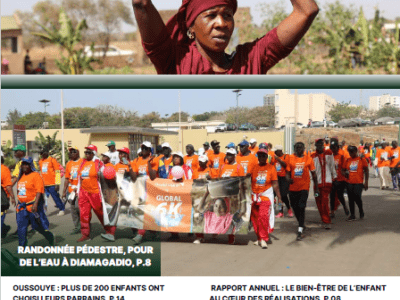
Newsletter World Vision Sénégal - Juin 2026
Bulletin d’information de World Vision Sénégal pour le compte du mois de juin 2026.
article / July 1, 2026
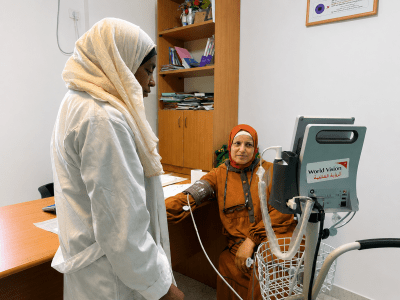
Restoring Safety, Dignity, and Hope at Al-Auja Health Clinic
Rehabilitation works at Al-Auja Health Clinic restored a safer, cleaner, and more dignified healthcare environment for nearly 5,000 patient visits annually in the Jordan Valley.
press release / June 26, 2026
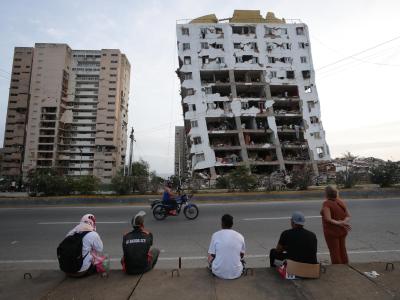
World Vision Launches Humanitarian Response to Support Victims of Deadly Earthquakes in Venezuela
Press release highlighting World Vision's response to needs caused by back-to-back earthquakes in Venezuela
article / June 19, 2026
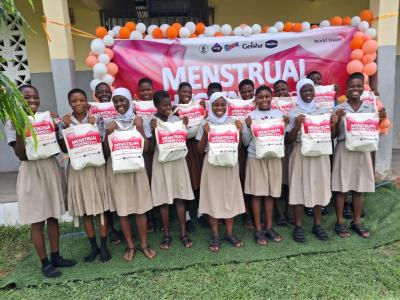
World Vision and Corporate Ghana Is Standing Up for Girls' Health and Dignity
World Vision and Corporate Ghana Is Standing Up for Girls' Health and Dignity
article / June 16, 2026
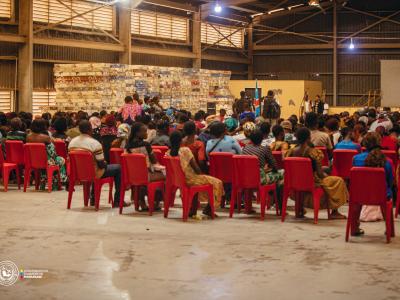
DR Congo: From Emergency to Recovery: World Vision Assists 260 Families Impacted by Flooding in Fungurume
Following severe flooding in Fungurume, World Vision and its partners provided emergency assistance to 260 affected families and educational support to 100 children. The intervention delivered essential household items, helped sustain access to education, and contributed to broader health and WASH efforts aimed at reducing cholera risks and supporting community recovery.
publication / July 5, 2026
Humanitarian Emergency Affairs 2025 Annual Report - EAST AFRICA
Despite escalating humanitarian needs and constrained resources, World Vision East Africa continued to deliver life-saving assistance and build resilience across the region. The FY25 Humanitarian and Emergency Affairs (HEA) Report highlights the impact of emergency response efforts in nine countries, reaching 7.5 M people, including 4M children.
publication / July 6, 2026
2025 Global Child Participation in World Vision Decision-Making Report: Executive Summary
The Executive Briefing Summary Report provides high-level insight on child participation from 61 World Vision countries across the globe, summarising emerging trends and child participation practices at local and national levels.
article / July 1, 2026
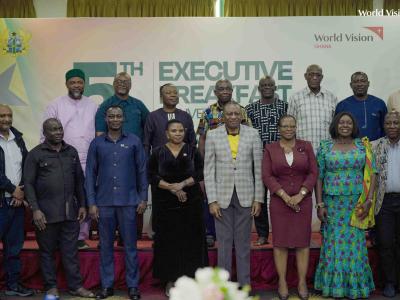
World Vision Ghana leads national sanitation dialogue as government makes sanitation a key performance measure for local government leaders
World Vision Ghana convened national stakeholders to advance sanitation in Ghana, as government makes sanitation a key performance measure for local government leaders.
article / June 28, 2026
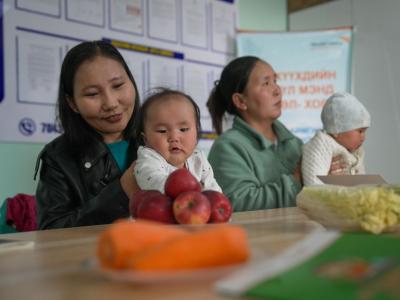
Why community‑based maternal and child health works: Lessons from Khovd Province, Mongolia
Discover how a community-based maternal and child health project in Mongolia improved child nutrition, strengthened primary healthcare, and empowered families.
article / July 1, 2026
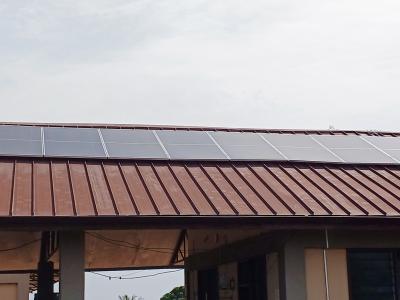
World Vision Ghana Restores Solar Power to Revitalise Healthcare in Issah Kurah
World Vision Ghana restores solar power to Issah Kurah health centre, improving 24‑hour healthcare access and saving lives after years without reliable electricity.