article / August 3, 2026
From forgotten space to community landmark: How young people sparked change at Paskuqani Lake, Albania
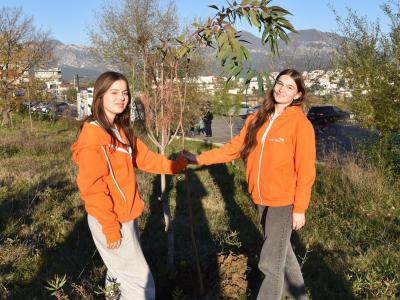
In Kamëz, Albania, young people from WV Albania’s IMPACT clubs led the transformation of Paskuqani Lake from a neglected, polluted area into a vibrant 84-hectare green park. What began with youth-led tree planting and community murals was championed by the local municipality, Environmental Agency, and local businesses - unlocking wider investment in playgrounds, walking and cycling paths, and restored green spaces.
The initiative has revived local biodiversity, strengthened community pride, and created a thriving public space. It shows how empowered youth and committed local government can work together to drive lasting environmental change.
article / August 17, 2026
World Humanitarian Day: The People Behind the Response
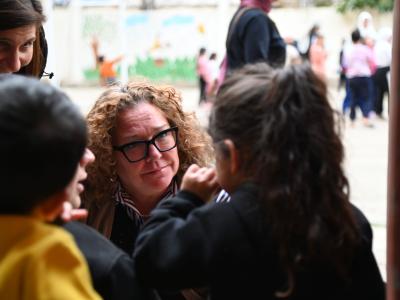
On World Humanitarian Day, Heidi Diedrich honours World Vision Lebanon’s staff who support children and families while facing the same crises.
article / August 15, 2026
URGENT: Indonesia M7.7 Earthquake -- Children and Communities Need Life-Saving Help Now
Support children and communities impacted by the Flores earthquake. Donate now to deliver urgent shelter kits and emergency relief with Wahana Visi Indonesia.
video / August 14, 2026
From Dependence to Independence: How Pastor Dvuba Turned Skills into a Business
Pastor Dvuba turns his basic IT skills into a thriving print business after Empowered Worldview helps him discover new possibilities for supporting his family.
article / August 11, 2026
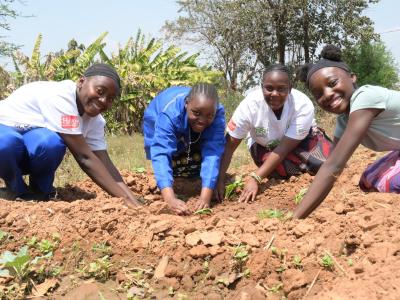
Different Contexts, Common Aspirations: 10 Ways Adolescents in Zambia are Helping Build Safer Schools
Discover how World Vision Zambia's IMPACT+ empowers youth to lead safer, inclusive schools through life skills, leadership, wellbeing, and learning.
article / August 10, 2026
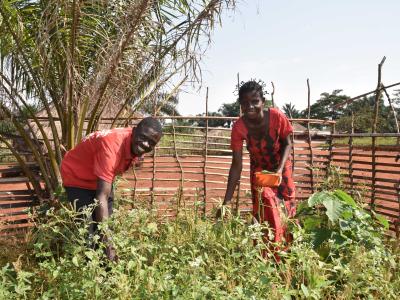
DR Congo: Growing Health: How William Is Cultivating a Healthier Future for His Children
William, a father of eight from Ntompo in Kasaï Central, is challenging traditional gender roles around childcare and nutrition. Through a KOICA-funded project implemented by World Vision in partnership with WFP, he learned about positive masculinity and the importance of shared responsibility for family well-being. Today, William works alongside his wife in their family garden, helps make decisions about their children’s meals and supports their health and nutrition. His story shows how engaging men can strengthen families, improve children’s diets and inspire lasting behavioural change within communities.
publication / July 31, 2026
West Africa Annual Impact Report 2025
In 2025, World Vision reached 11.5 million people across West Africa, including 6.6 million children. Read our annual impact report.
article / July 7, 2026
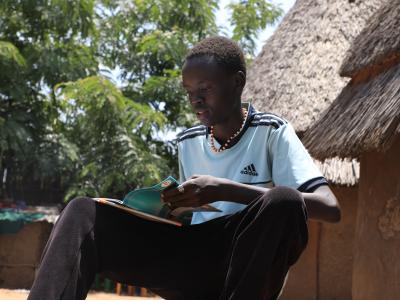
How Food Assistance Helped Chankos Stay in School
Meet Chankos, a 16-year-old South Sudanese refugee in Ethiopia’s Tierkidi Refugee Camp. Once too hungry to focus in class, he now attends school regularly thanks to WFP and World Vision food assistance and school feeding programmes. A powerful story of hope and resilience.
article / August 11, 2026
Inside World Vision Syria Response’s Inclusive Classrooms
World Vision Syria Response’s inclusive education project in Sahab is helping children like Talal and Aya overcome learning barriers, build confidence, and participate fully alongside their classmates. Across 11 schools and kindergartens in Jordan, the project is creating supportive learning environments where every child has the opportunity to learn, belong, and thrive.
article / July 20, 2026
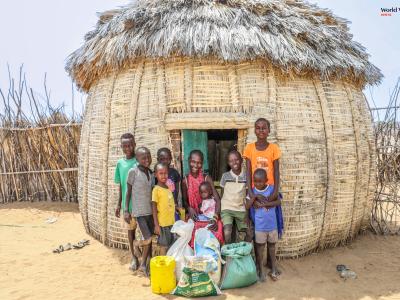
How timely emergency cash assistance is helping a mother rebuild life for her seven children in drought-affected Turkana
Learn how, after years of drought in Turkana County, Emergency cash assistance is helping Lokolita put food on the table and restore hope for her seven children.