press release / June 24, 2026
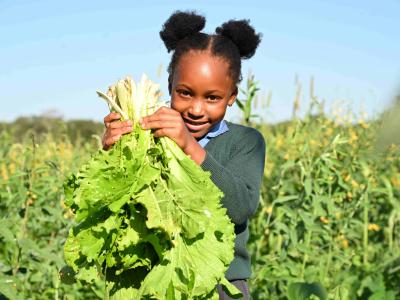
World Vision Strengthen Community Disaster Risk Reduction capacity amid the super El Niño impact forecast in Southern Africa
World Vision strengthens community resilience in Southern Africa through Disaster Risk Reduction as a forecasted super El Niño threatens drought and floods in Mozambique.
publication / July 6, 2026
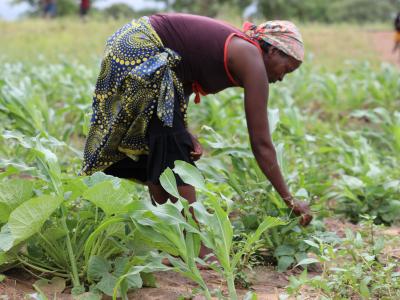
2025 Latin America & Caribbean Regional Child Participation in WV Decision-Making Report
The 2025 Regional Latin America & Caribbean Child Participation Report details the impact of engaging boys and girls in decision-making at local and national levels.
article / July 15, 2026
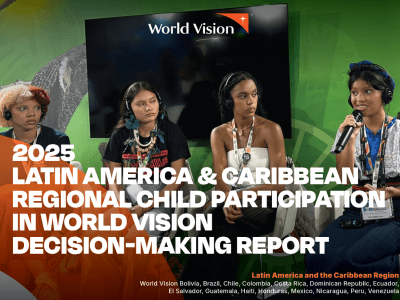
DR Congo: Clean Water and Better Hygiene Are Transforming Lives in Bambo and Kibirizi Health Zones
This human-interest article highlights how access to safe drinking water is transforming lives in the Bambo and Kibirizi Health Zones of North Kivu, eastern Democratic Republic of the Congo. It showcases the impact of a World Vision WASH project, funded by the U.S. Department of State, in improving access to clean water, promoting hygiene and sanitation practices, and reducing waterborne diseases. Through the voices of community members, children, parents, and health officials, the story illustrates tangible improvements in health, school attendance, personal hygiene, and community well-being. It also demonstrates how behavioural change, combined with sustainable water and sanitation infrastructure, is fostering healthier and more resilient communities. While celebrating the project's achievements, the article underscores the continued need to expand water and sanitation services so that every family can benefit from safe, reliable access to clean water.
article / July 8, 2026
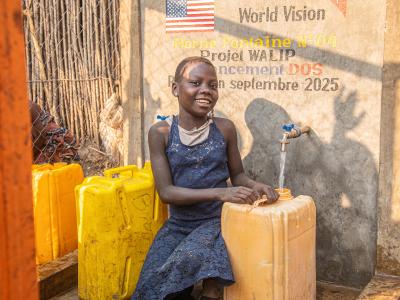
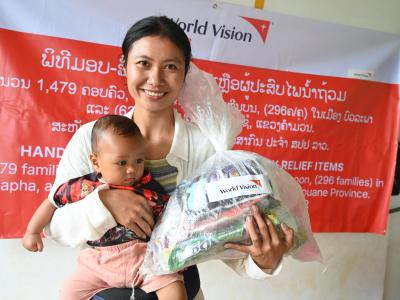
Emergency Relief Brings Hope to Flood-Affected Families in Laos
World Vision Laos responds to Typhoon Wipha floods, aiding 1,479 households with hygiene kits and resilience support in Khammouan Province.
publication / July 15, 2026
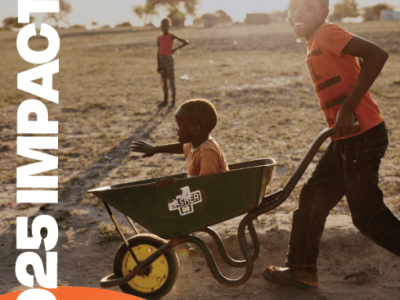
Mozambique Annual Report -2025
World Vision Mozambique presents some of the major accomplishments in advancing justice and well-being for Mozambican children, particularly the most vulnerable in its latest annual report.
press release / July 20, 2026
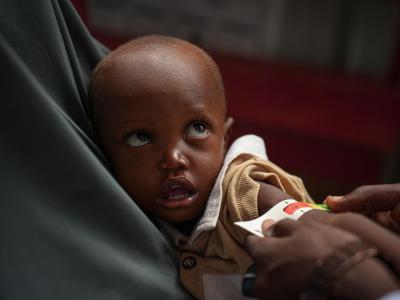
Fifteen Years On: Somalia Cannot Afford Another Famine
Fifteen years after famine was declared in Somalia in 2011, a crisis that claimed hundreds of thousands of lives, World Vision is warning that the country stands on the edge of another severe hunger emergency. Persistent drought, compounded by a sharp decline in humanitarian funding, threatens to unravel years of progress made in strengthening food security and community resilience across the country.
article / July 14, 2026
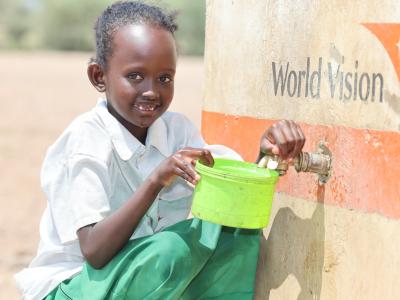
How clean water is helping girls in Barambate, Marsabit County stay in school and dream bigger
Learn how clean water in Barambate, Marsabit County, is changing childhood by freeing girls from long journeys for water and helping them stay in school.
press release / July 1, 2026
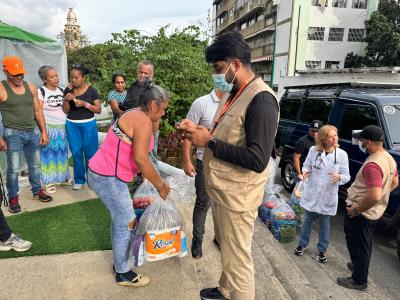
More than 520 Families Supported as Assistance Continues for Children Affected by the Earthquakes
As rescue efforts continue is some areas, World Vision is moving it's focus to supporting the needs of survivors of back-to-back earthquakes in Venezuela through food and hygiene kits and safe places for children to play.
press release / July 20, 2026
World Vision Zambia Calls for Greater Investment in WASH to Fight Child Malnutrition
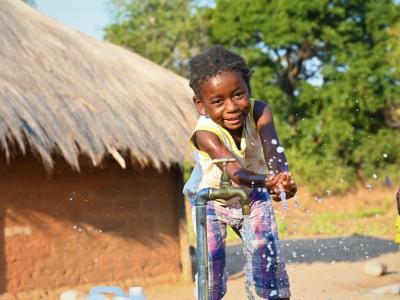
World Vision Zambia has called on the Government to increase investment in Water, Sanitation and Hygiene (WASH) as a core strategy to tackle child malnutrition and strengthen child health outcomes.
World Vision Zambia Associate Director for Advocacy Gerald Kaputo stressed that access to safe water, adequate sanitation and proper hygiene stands as both a fundamental human right and a determinant of child nutrition, growth and survival.
press release / July 20, 2026
World Vision Zambia Welcomes National Food and Nutrition Security Policy, Calls for Stronger Action on Child Hunger
Lusaka, Zambia – Thursday, July 16, 2026: World Vision Zambia welcomes the launch of the National Food and Nutrition Security Policy by the Office of the Vice President, a major step toward addressing child hunger, malnutrition and food insecurity across Zambia. The policy shows the Government's commitment to building a Zambia where every citizen has access to adequate, safe and nutritious food, and where all forms of malnutrition are eliminated.