publication / July 31, 2026
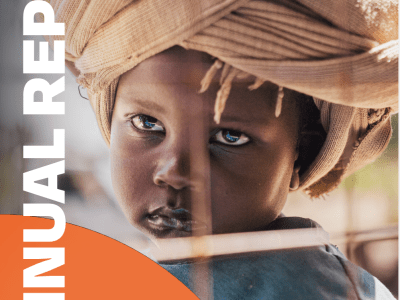
Health and Nutrition Capacity Statement
World Vision International Myanmar (WVIM) is one of the longest-serving humanitarian and development organization in Myanmar, with more than three decades of operational presence across both stable and conflict-affected contexts. We partner closely with government ministries, civil society, faith based groups, local leaders, and communities to deliver integrated programs in education, child protection, health and nutrition, WASH, livelihoods, and disaster response. Our locally rooted teams ensure culturally relevant, community owned solutions that support children to thrive. In livelihood, our work focuses on strengthening household resilience, restoring livelihoods, and protecting the well-being of vulnerable children through integrated, community-driven approaches that address both immediate needs and long-term recovery. Each year, our programmes reach millions, reflecting our commitment to ensure children are educated, protected, and cared for in safe and resilient communities.
publication / July 31, 2026
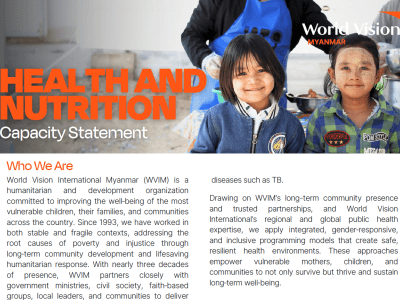
West Africa Annual Impact Report 2025
In 2025, World Vision reached 11.5 million people across West Africa, including 6.6 million children. Read our annual impact report.
publication / August 3, 2026
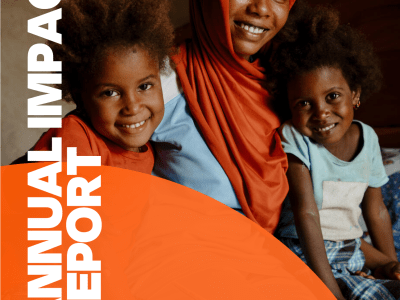
Discover World Vision Sierra Leone's 2025 Annual Report
Find out how our work helped improve the well-being of children in Sierra Leone during our 2025 financial year.
publication / August 6, 2026
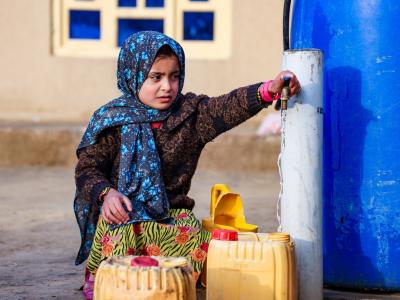
Situation Report | Reporting Period: 1 April – 31 May FY26
World Vision Afghanistan's April–May 2026 humanitarian response reached 223,734 people across multiple sectors.
publication / July 15, 2026
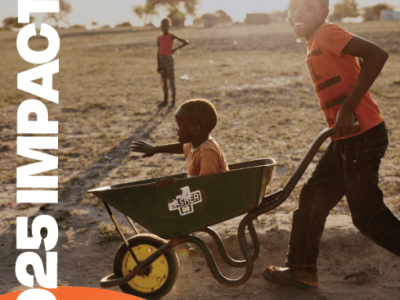
Mozambique Annual Report -2025
World Vision Mozambique presents some of the major accomplishments in advancing justice and well-being for Mozambican children, particularly the most vulnerable in its latest annual report.
publication / August 6, 2026
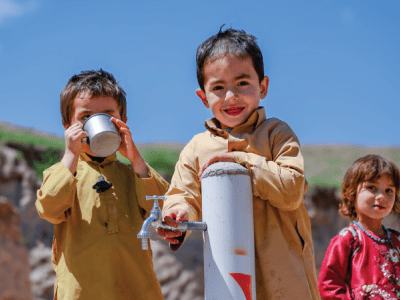
Situation Report | Reporting Period 1 February – 31 March FY26
World Vision Afghanistan reached 463,622 people through health, WASH, food security, livelihoods, protection, and emergency response.
publication / August 6, 2026
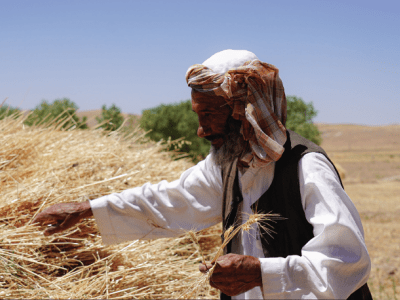
Situation Report I Period 1 December 2025 – 31 January FY26
World Vision Afghanistan reached 450,542 people with health, WASH, food security, livelihoods, protection, and emergency assistance.
article / July 28, 2026
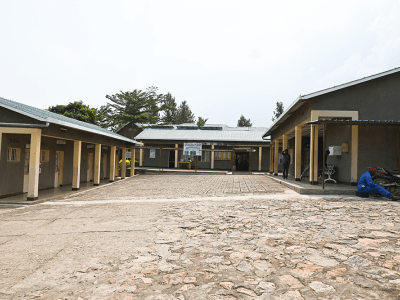
Better Care, Better Nutrition, Healthier Children at Kibingo Health Centre
Kibingo Health Centre serves more than 2,500 people each month, providing essential healthcare to families in Rutsiro District. Through its partnership with the Government of Rwanda and the local community, World Vision Rwanda has strengthened the health centre by improving infrastructure, expanding nutrition education, and supporting community-led efforts to combat child malnutrition.
From constructing a covered walkway and a nutrition demonstration kitchen to implementing Professional Umuganda and the Positive Deviance/Hearth (PDH) model, these interventions have contributed to a reduction in child malnutrition from 32% to 16% while empowering caregivers with practical skills to keep their children healthy.
article / August 10, 2026
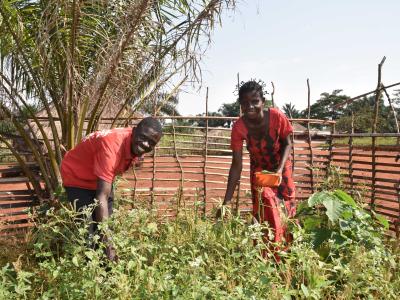
DR Congo: Growing Health: How William Is Cultivating a Healthier Future for His Children
William, a father of eight from Ntompo in Kasaï Central, is challenging traditional gender roles around childcare and nutrition. Through a KOICA-funded project implemented by World Vision in partnership with WFP, he learned about positive masculinity and the importance of shared responsibility for family well-being. Today, William works alongside his wife in their family garden, helps make decisions about their children’s meals and supports their health and nutrition. His story shows how engaging men can strengthen families, improve children’s diets and inspire lasting behavioural change within communities.
publication / July 5, 2026
Humanitarian Emergency Affairs 2025 Annual Report - EAST AFRICA
Despite escalating humanitarian needs and constrained resources, World Vision East Africa continued to deliver life-saving assistance and build resilience across the region. The FY25 Humanitarian and Emergency Affairs (HEA) Report highlights the impact of emergency response efforts in nine countries, reaching 7.5 M people, including 4M children.