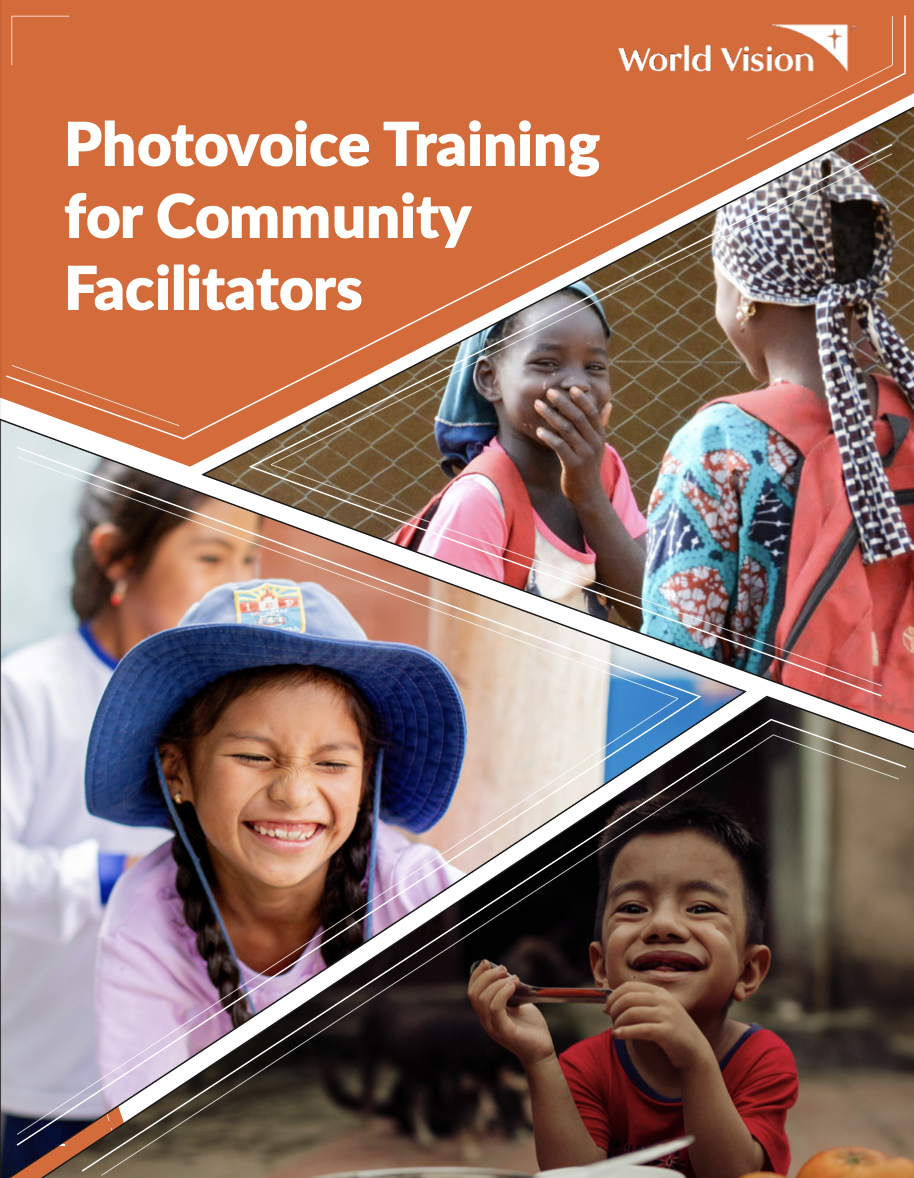
Voices Through Images: Empowering Communities to Shape the Future of Nutrition
In the field of global public health, critical community data often takes the form of percentages, charts, and clinical statistics. While these metrics are vital for high-level analysis, they rarely capture the full lived experiences of individuals navigating local food environments. To bridge this gap, a powerful, community-centred approach to public health advocacy is being established through a strategic regional collaboration.
"Photovoice for Nutrition Advocacy and Action - Voices Through Images" is designed to equip practitioners across Asia and the Pacific with the tools to turn grassroots photography into a catalyst for policy and behaviour change.
Organised by the World Vision South Asia & Pacific Regional Office (WV SAP RO) in coordination with the Scaling Up Nutrition – Civil Society Network (SUN-CSN) Asia, this initiative integrates participatory research directly into strategic development programming.
What is Photovoice in Public Health Advocacy?
Photovoice is a qualitative and participatory visual methodology that empowers participants to document, reflect on, and catalyse change in their communities through photography and structured dialogue.
In nutrition-focused Social and Behaviour Change (SBC) programming, this community-led tool serves several critical strategic functions:
- Elevates Lived Experiences: It highlights direct personal realities to inform practical, people-centred solutions and localised community interventions.
- Uncovers Behavioural Drivers: The process uncovers specific social, cultural, and financial behavioural drivers and barriers within the local food environment.
- Broadens Program Application: It builds capacity to effectively apply the Photovoice method within core nutrition SBC initiatives, such as infant and young child feeding (IYCF), anaemia prevention, school health, and dietary diversity.
By putting the camera into the hands of community members, organisations move away from top-down messaging and move toward collaborative, evidence-based advocacy.
How Does the Capacity-Building Training Work?
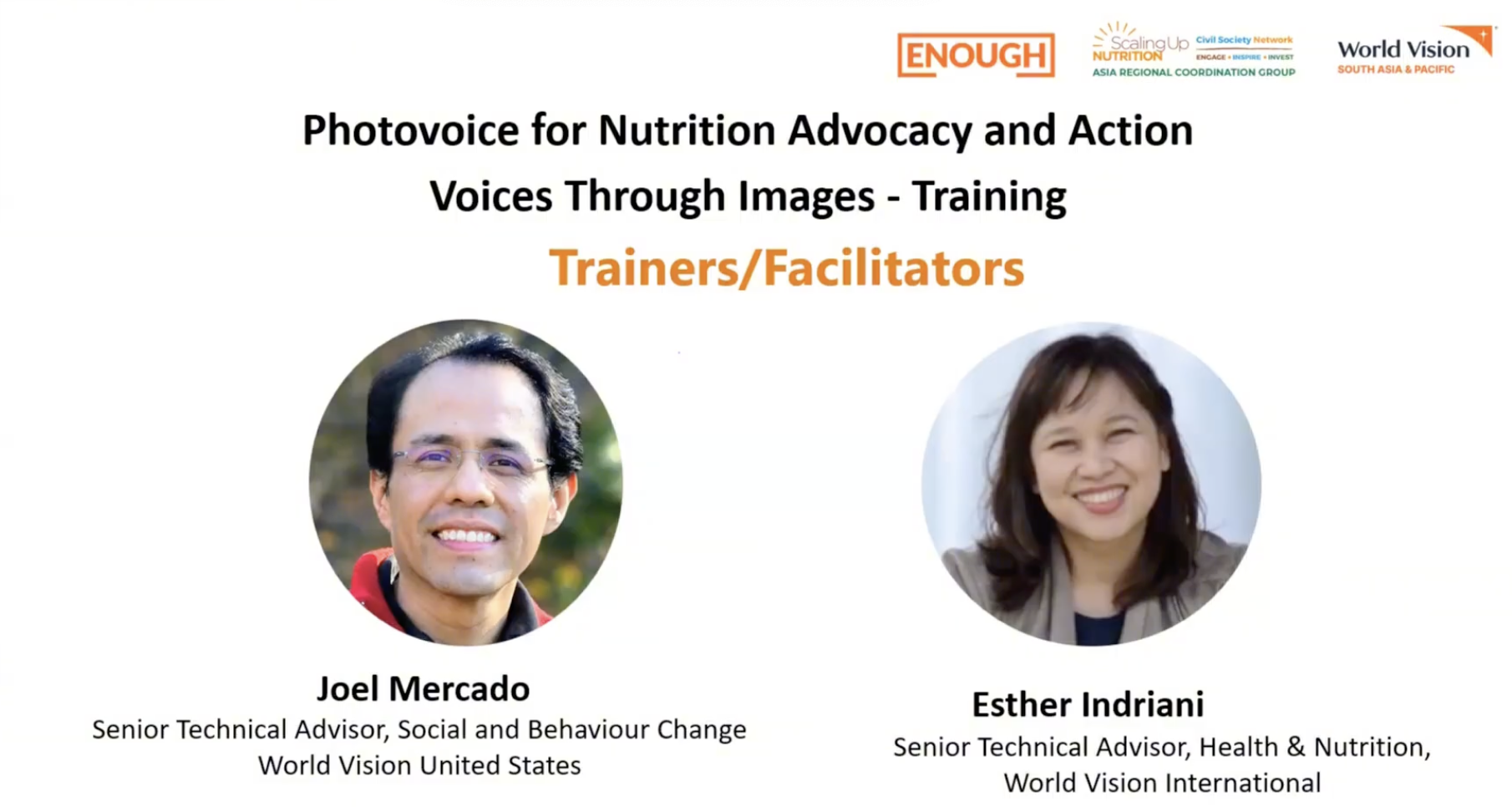
Leading this transformative capacity-building initiative are world-class public health and behavioural experts: Joel Mercado, Senior Technical Advisor for Social and Behaviour Change (SBC) at World Vision United States, and Esther Indriani, Senior Technical Advisor for Health & Nutrition at World Vision International.
The virtual training delivers a competency-based curriculum spanning 12 hours total, broken down into four days of three-hour sessions. The program specifically targets primary development stakeholders across the region, including NGO programme managers, M&E officers, SBC practitioners, community health worker (CHW) trainers, and school health program implementers.
CHECK OUT THE PHOTOVOICE TRAINING VIDEOS PLAYLIST
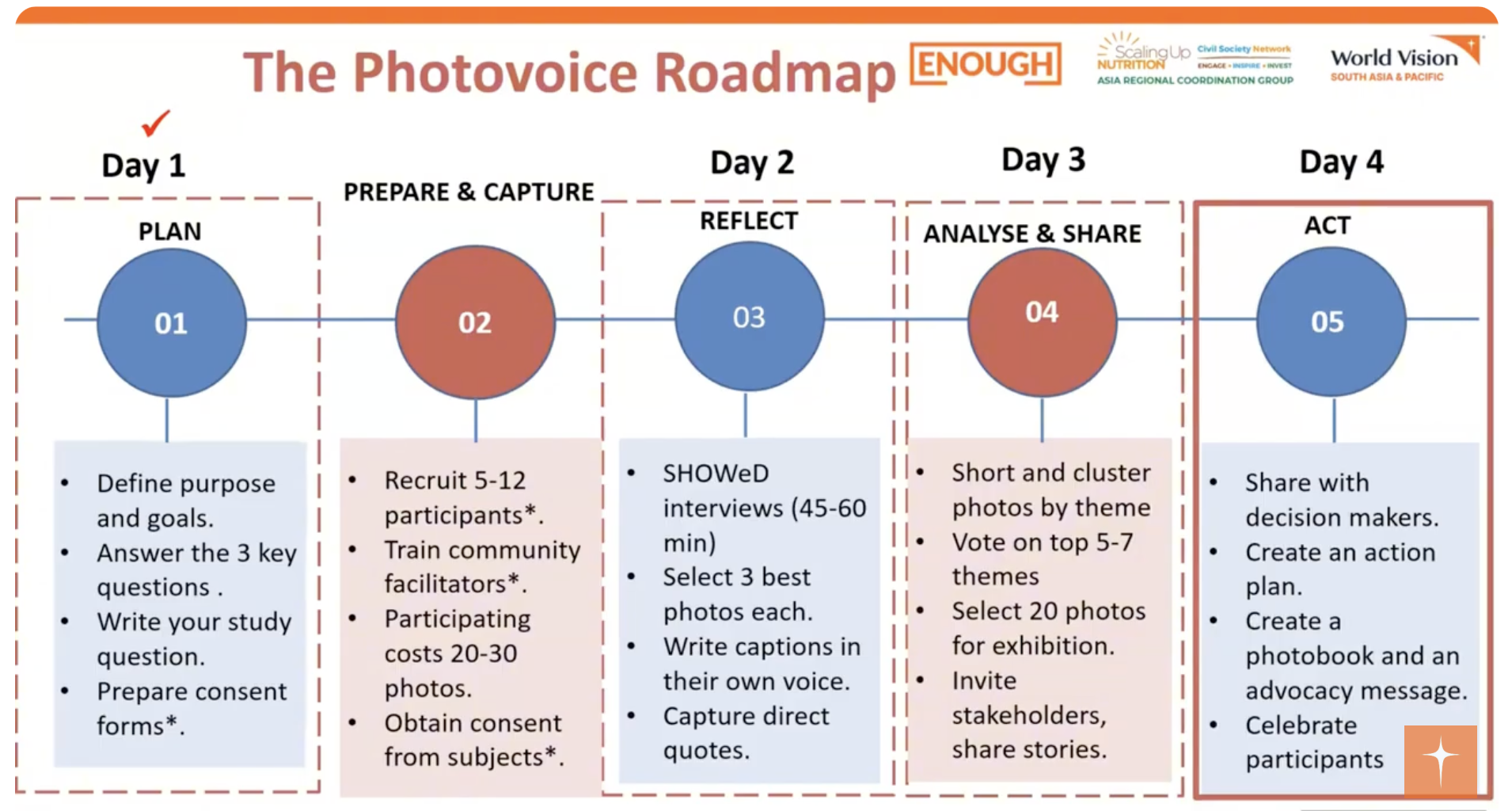
The core curriculum focuses on three key areas:
1. Ethical Practice, Safeguarding, and Do No Harm
Visual storytelling carries immense social, legal, and ethical responsibility. The training prioritises the application of strict ethical protocols, including informed consent, image rights, and "Do No Harm" principles. Particular emphasis is placed on safeguarding the integrity of images involving children and youth.
2. The SHOWeD Method and Participatory Facilitation
Photovoice relies heavily on critical reflection rather than just taking pictures. Participants will learn to facilitate participatory activities, write accurate captions, and perform thematic grouping and coding of community photos. A central element of this training is learning to conduct qualitative interviews using the SHOWeD method, a structured root-cause analysis technique that guides discussions about what a photograph represents.
3. Translating Field Insights into Policy Strategy
Data gathered through cameras is designed to prompt measurable public health outcomes and policy shifts. Practitioners will be trained to integrate community findings directly into broader social and behaviour change strategies, program adaptations, and regional advocacy. Ultimately, participants will learn to produce tangible, high-impact outputs—such as photobooks, community exhibits, and advocacy briefs—while ensuring strict privacy and cultural appropriateness.
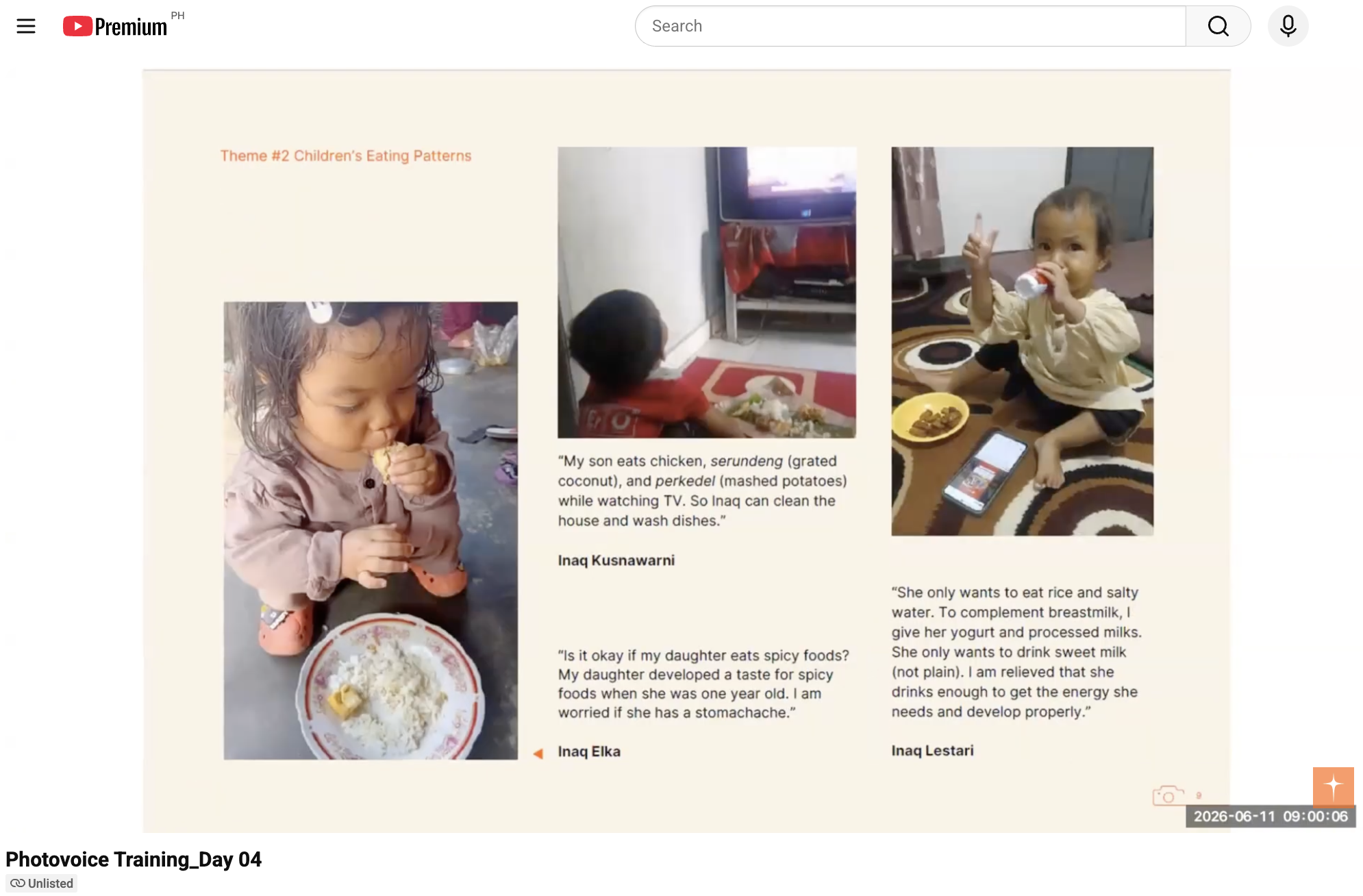
When we shift our perspective from observing communities to actively looking with them, our collective impact deepens. By scaling this participatory visual methodology across regional field teams, the initiative ensures that future nutrition interventions are no longer just designed for children and communities —they are visibly shaped by them, one frame at a time.
True sustainable change begins when local voices carry the narrative.