
Breastfeeding for a Sustainable Start in Life

By Ruth Fisseha, REACTS-IN Gender Specialist, World Vision Canada
In Elgeyo Marakwet County, Kenya, breastfeeding is becoming more than a mother’s responsibility – it is becoming a family and community commitment. Through the REACTS-IN project, funded by Global Affairs Canada, community-based education is helping mothers give their babies the healthiest possible start in life.
The 2026 World Breastfeeding Week theme, Breastfeeding for a Sustainable Start in Life: Strengthen What Works, calls for expanding interventions that have already demonstrated success. In rural Kenya, one of those interventions is World Vision’s Care Group model, complemented by the MenCare approach and strengthened by community health promoters. Together, these initiatives are transforming breastfeeding practices, improving maternal nutrition, and helping build healthier families.
When I breastfeed my baby, my husband sits beside me, massages my back, and after feeding he takes the baby so I can rest. I never imagined this kind of support before.
– Gladwell, Care Group Mother, Elgeyo Marakwet County, Kenya
Every two weeks, small groups of 10 to 15 mothers gather under the guidance of trained Care Group Lead Mothers and community health promoters. During these sessions, mothers learn about exclusive breastfeeding, complementary feeding, hygiene, family planning, maternal nutrition, and child health. The sessions are practical, interactive and culturally relevant. Mothers even learn about the ten food groups through songs, making nutrition education easy to remember and share with others. Through the REACTS-IN project, families also receive iron-rich bean varieties that help improve dietary diversity and reduce maternal anaemia.
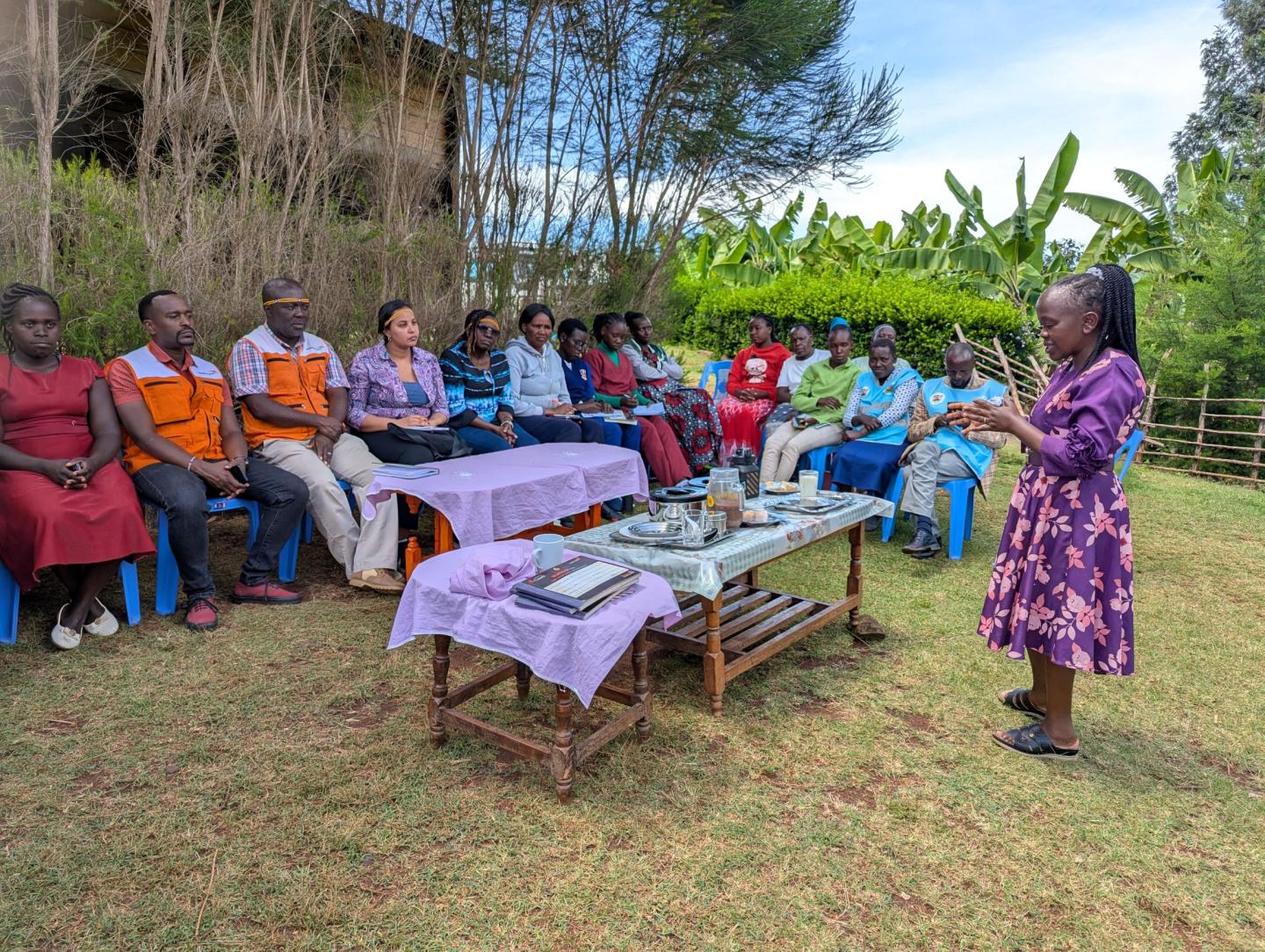
When fathers support breastfeeding
For Gladwell, a 31-year-old mother of three, the greatest change has been not only learning how to breastfeed successfully, but also experiencing the support of her husband.
“My husband learned about the importance of breastfeeding through the MenCare group. During my third pregnancy, he accompanied me to antenatal and postnatal care visits. When I breastfeed, he massages my back, cares for our baby afterward, and gives me time to rest. His support has made breastfeeding easier and helped me recover after childbirth.”
Her experience reflects an important shift in community norms. Fathers who once viewed pregnancy and newborn care as women’s responsibilities are now actively participating in antenatal care visits, childbirth, and newborn care. Their emotional, practical, and physical support enables mothers to breastfeed more successfully while recovering from childbirth.
Correcting misconceptions through peer learning
For mothers Sharon and Sophi, the Care Group lessons corrected long-held misconceptions that had affected the health of their children.
“Before joining the Care Group, we believed babies needed water only a few days after birth if breast milk seemed insufficient. We breastfed for only two or three months because we thought our milk was not enough. Our children became sick frequently, their growth was poor, and many were admitted to hospital.”
Today, their practices have changed completely.
“Now we understand that breast milk alone is enough exclusively for six months. We know how to eat a balanced diet while breastfeeding, position babies correctly during breastfeeding, maintain good hygiene, and complete immunizations. Care Group mothers and community health promoters regularly visit us and encourage us to attend all recommended antenatal care visits.”
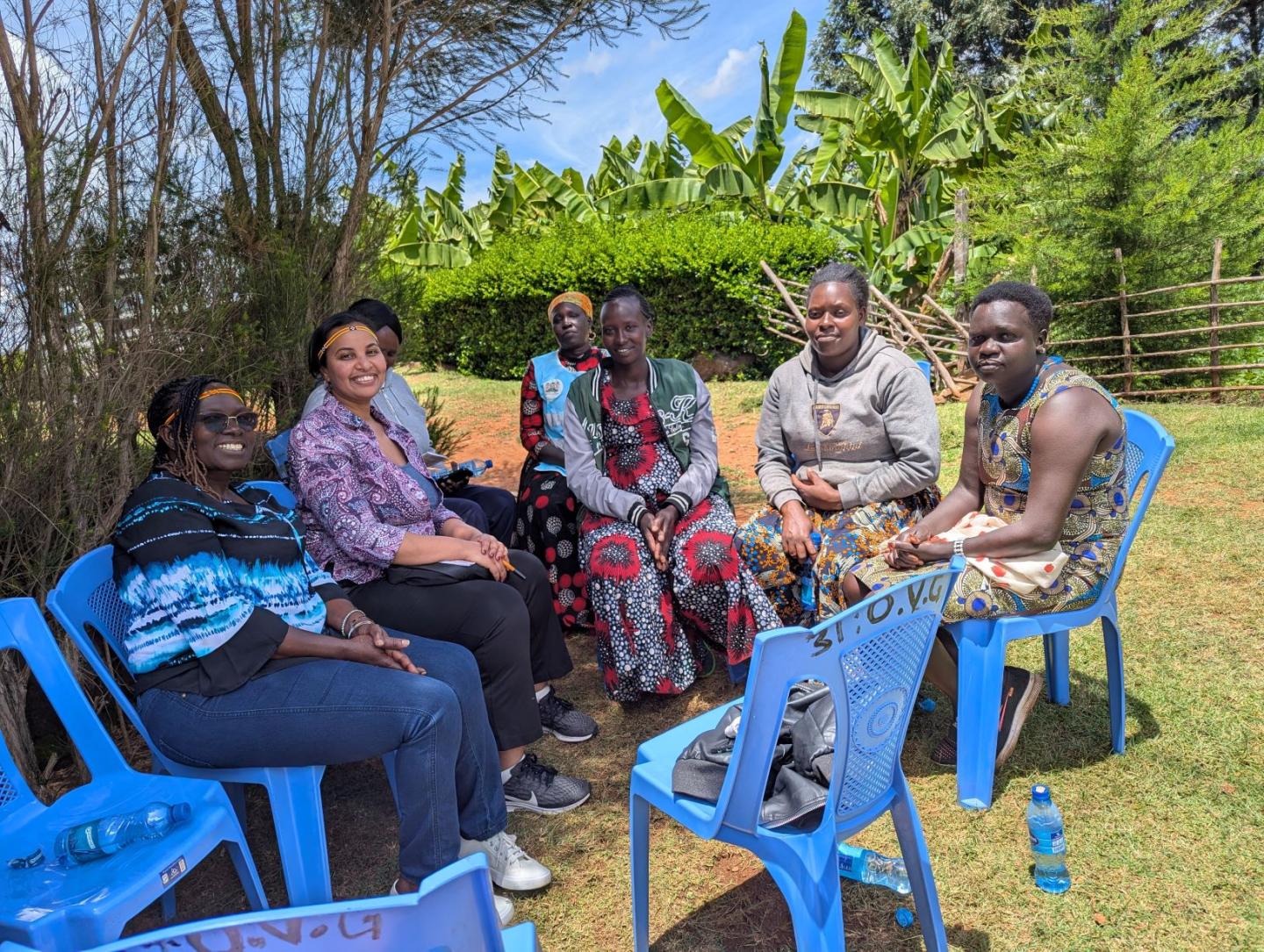
Healthier families, stronger communities
These changes are producing visible improvements across the community. According to community health promoters, child malnutrition has declined significantly, hospital admissions among young children have decreased, children’s immunity has improved, and mothers are experiencing lower rates of anaemia.
The project has also strengthened household food security. Families have established kitchen gardens where they grow a variety of vegetables for household consumption while selling surplus produce and milk to generate income. Mothers who participate in Saving for Transformation groups now earn approximately 1,500–2,000 Kenyan shillings (approximately USD 11–15) each month, providing additional income to support their families while improving household nutrition.
Community health promoters attribute these achievements to continuous counselling and peer support.
“The Care Groups have changed how mothers care for themselves and their children. Women now understand the importance of balanced diets during pregnancy and breastfeeding. Families are healthier, children are growing well, and malnutrition has greatly reduced because mothers continue learning from one another.”
A sustainable start for every child
The experience from Elgeyo Marakwet County demonstrates that strengthening what works means investing not only in mothers, but also in families, communities, and health systems. By combining peer support, male engagement, improved nutrition, and community-based health promotion, the REACTS-IN project is helping create a sustainable environment where mothers are supported to breastfeed successfully and every child has the opportunity to thrive.
The experience of mothers in Kenya shows the power of community support. The author's personal story reminds us that even with knowledge and determination, every mother needs encouragement, rest, and practical support to breastfeed successfully. Read her reflection here.