
From Despair to Hope: Lepore's Journey to Success and Community Transformation
By Felix Pilipili, Communications Specialist, World Vision Kenya.
"My personal journey is clear evidence that transformation is possible for anyone, regardless of their past or circumstances." These impactful words resonated deeply with us as Lepore, a father of twelve, shared his remarkable story.
Lepore and his children live in Kirindon, Narok County, Kenya, within the Maasai community, which is predominantly semi-nomadic pastoralist. Unfortunately, young girls in this community often undergo Female Genital Mutilation/Cutting (FGM/C) as early as the age of nine (9). Adding to their challenges, the region also grapples with cross-border ethnic conflicts, primarily stemming from cattle rustling activities.
The situation was extremely dire: Lepore's daughters were at risk of becoming "candidates for FGM." This was perceived as the only way for them to gain acceptance within the community.
Lepore himself had been labelled a chronic alcoholic and an abusive father. His mere presence at home instilled fear in his children. He said, "My own children used to call me 'lion' because just being at home would send them fleeing." This behavior frightened his children and prevented them from approaching him to share the challenges they were facing.
Initially, Lepore and fellow community members were skeptical of World Vision's projects in their area. As elders, they resisted training sessions in life skills that addressed the negative effects of FGM and child marriage. To them, such training was seen as empowering their children to understand their rights and potentially rebel against traditional practices and norms. He confided, "I used to hide my daughters whenever World Vision staff visited the village."
World Vision, in collaboration with local faith leaders, initiated community dialogues that engaged 560 community members in the Kirindon Area Programme. The purpose of these dialogues was to raise awareness about conflict resolution and protecting children from harmful cultural practices. These dialogue meetings and training sessions had a profound impact on Lepore's perspective.
He confidently stated, "World Vision opened my eyes. Thanks to these training sessions, I made the decision to send my children to school to prepare them for future opportunities. I also changed my stance on FGM and ensured my children were protected from it."
Subsequently, Lepore became an active participant in these sessions and other World Vision training programmes. Additionally, community elders were educated about the importance of peace for the well-being of children.
Lepore elaborates, "The series of community dialogues, training sessions, and regular home visits from the World Vision team inspired me to become a better father. We received training in life skills, which enhanced my entrepreneurial and creative abilities. I have transformed into a different person, and I am now a successful farmer!"
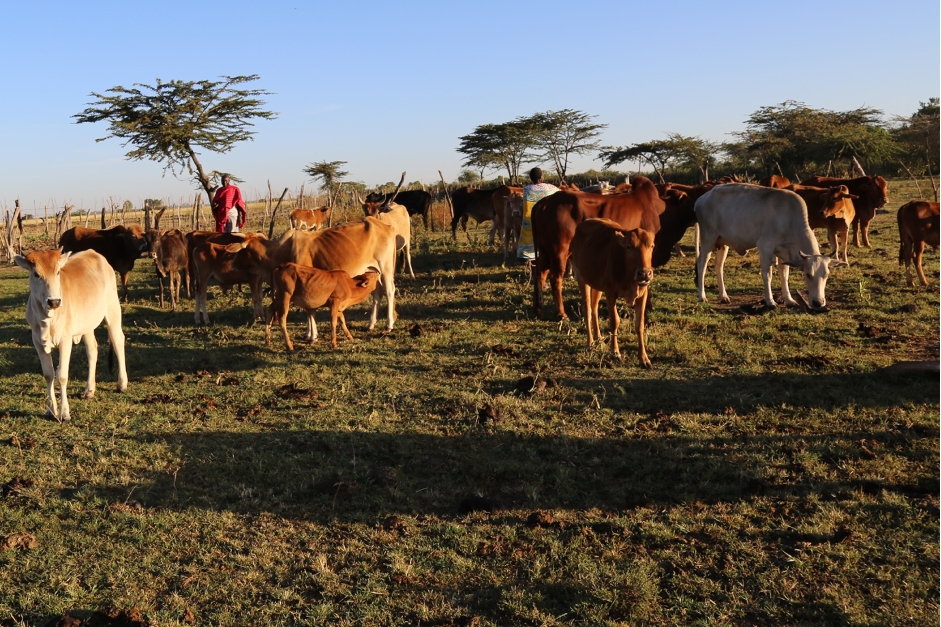
Lepore's two children became participants in the World Vision Sponsorship Programme, which collaborates with communities to address root causes of poverty, and promote lasting change. With a portion of the sponsorship funds, he invested in cattle, eventually selling three of them to cover his children's school fees. Lepore now proudly owns a herd of 30 cattle, ensuring his children's well-being and nourishment. “The surplus milk not only serves as a source of sustenance for my family, but also contributes to financing educational expenses for my children.”
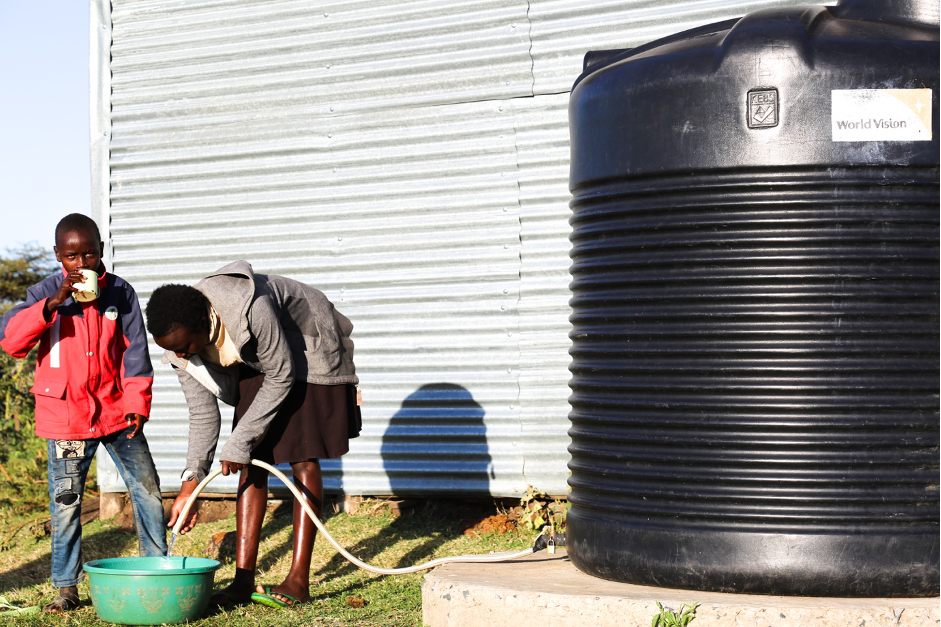
World Vision also provided a water tank to the family, improving their access to and storage of water for both domestic use and livestock. With joy in his heart, he shares the remarkable news that one of his daughters has successfully completed her university education, all made possible through the support of World Vision.
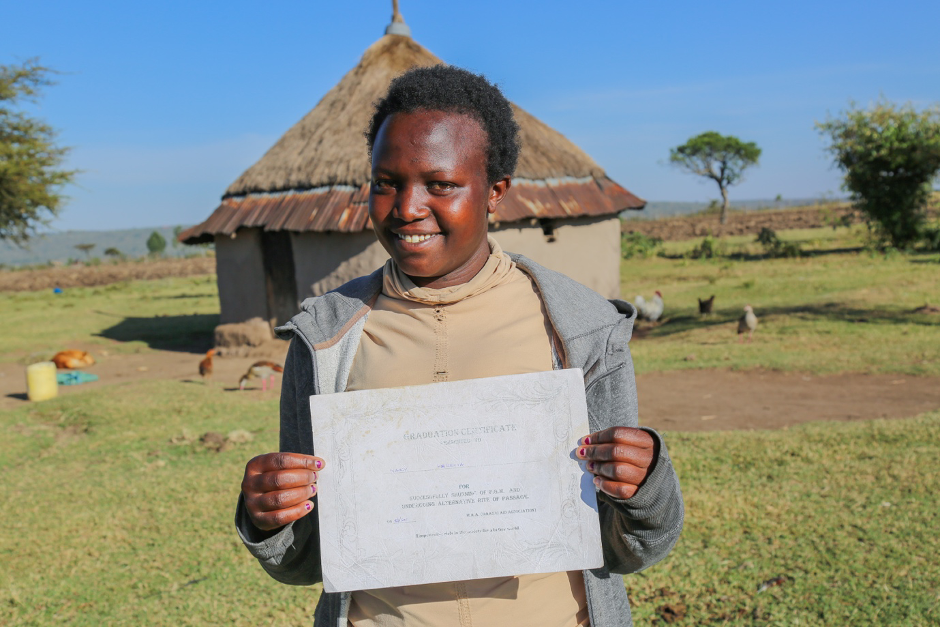
Zipporah, who is Lepore's 21-year-old daughter, was one of sixty girls from her village who received training on FGM and Alternative Rites of Passage, jointly organised by World Vision and other child focused organisations working in the area. She was also trained on life skills.
She shared her experience, saying, "World Vision provided us with essential life skills that helped us navigate challenges such as FGM and early marriages. Despite facing isolation for avoiding FGM, the life skills training, particularly in building self-esteem, enabled me to embrace my identity."
Today, Zipporah easily connects with her peers, including those who underwent traditional rites of passage. She expresses her aspirations, saying, "I am inspired to pursue studies in Business Management with the goal of empowering girls in my community through entrepreneurship."
Lepore, along with fellow community members, established the Kapkilimo Advocacy Group, a community-based organisation that focuses on child protection within Transmara East and South. The group has been actively raising awareness about the negative effects of FGM, the dangers of youth involvement in drug and substance abuse, and the consequences of child marriage. Additionally, they have engaged with elders in the community to promote peace-building initiatives, sensitising them on the importance of peace for the sustained well-being of their children.
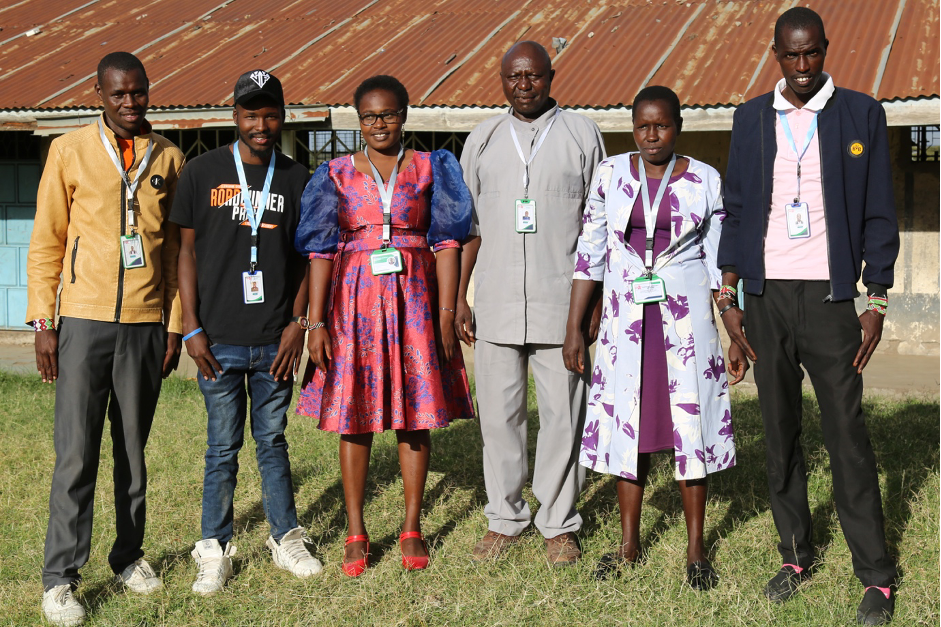
Victoria, a group member, remarked, "We've fostered community ownership of projects initiated by World Vision. When issues arise with these boreholes, we mobilise community members to contribute for repairs, ensuring sustainability."
Lepore is now a proud father, finding immense joy in educating his children while earning recognition as a role model within his community.