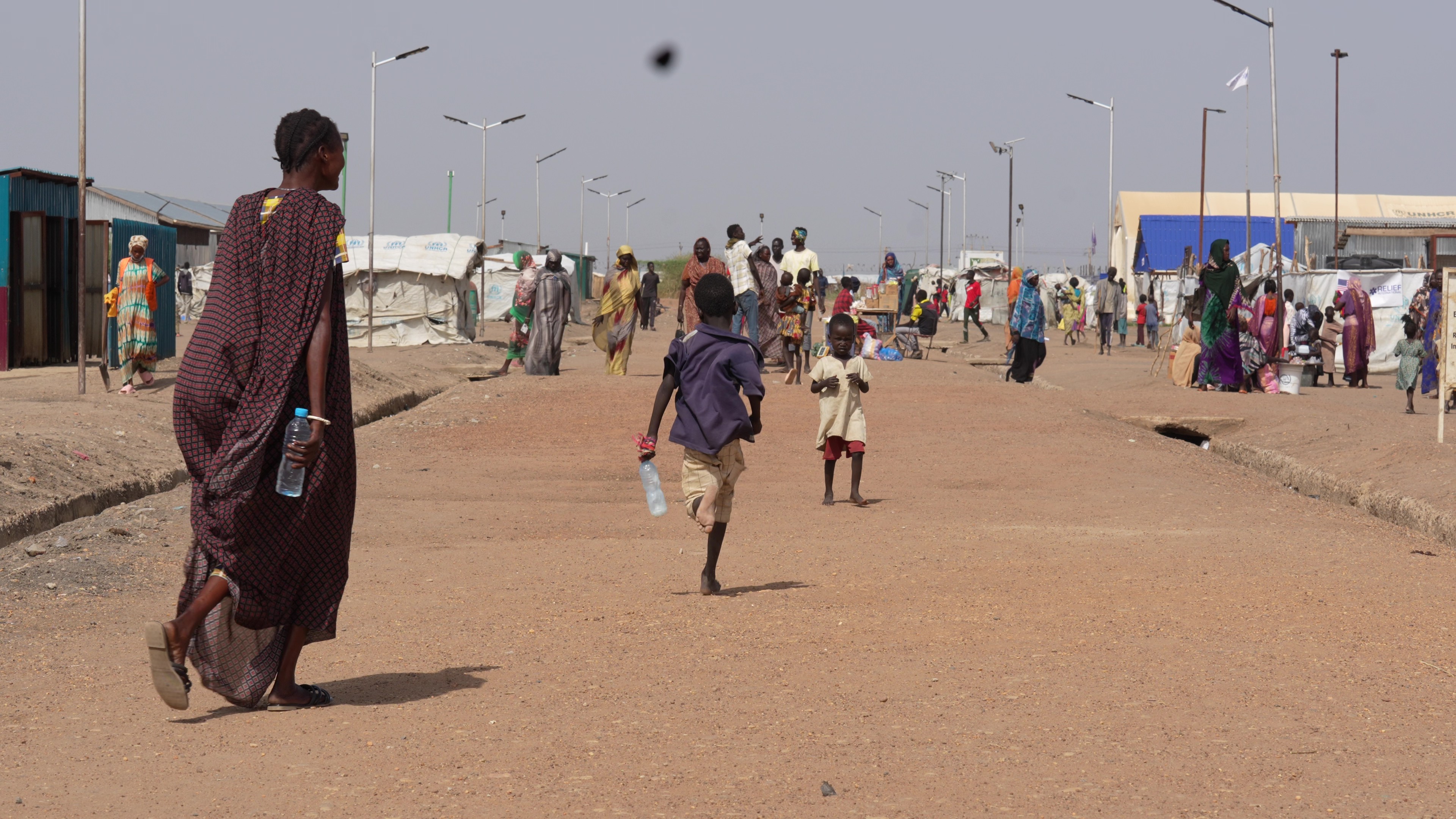
‘Between hunger and risk’: how South Sudan’s crisis is exposing children to harm

*Shufa (*name changed to protect identity) is 15 years old. For the past three years, she has lived in a camp in South Sudan with her mother, *Amal, and her siblings. For *Shufa, each day begins not with lessons, but with work. Instead of books, she carries firewood, helping her mother sell it at the local market to feed the family.
*Shufa still remembers what school felt like. “If I returned to school, I would be happy and would make friends,” she says. “Going back would bring back my memories. But since I came here… I have not held a book. I am almost forgetting how to read.”
After the family fled violence, survival came first, and education fell away. Across South Sudan, the situation is widespread: nearly 40% of households report that none of their children are in school. For many families, education becomes a luxury they can no longer afford.
“We came here and found no schools, no school supplies, no kindergartens for our children,” says Amal. “We mothers are exhausted. The money ran out, and we didn’t know what to do. I became responsible for everything, so my eldest daughter started working with me.”
Hunger driving children out of school
The crisis is not only about displacement, it is also about hunger. In South Sudan, 93% of households are either moderately or severely food insecure, and 91% report going a full day or night without food. For single mothers like Amal, this creates impossible choices: whether to send children to school or to work so the family can survive.
“With the wood that I gather, I give them a meal — lentils, boiled chickpeas, or sometimes fish,” says Amal. “We didn't find anything here for the children to eat and benefit from, or for us adults to eat so we could work a job.”
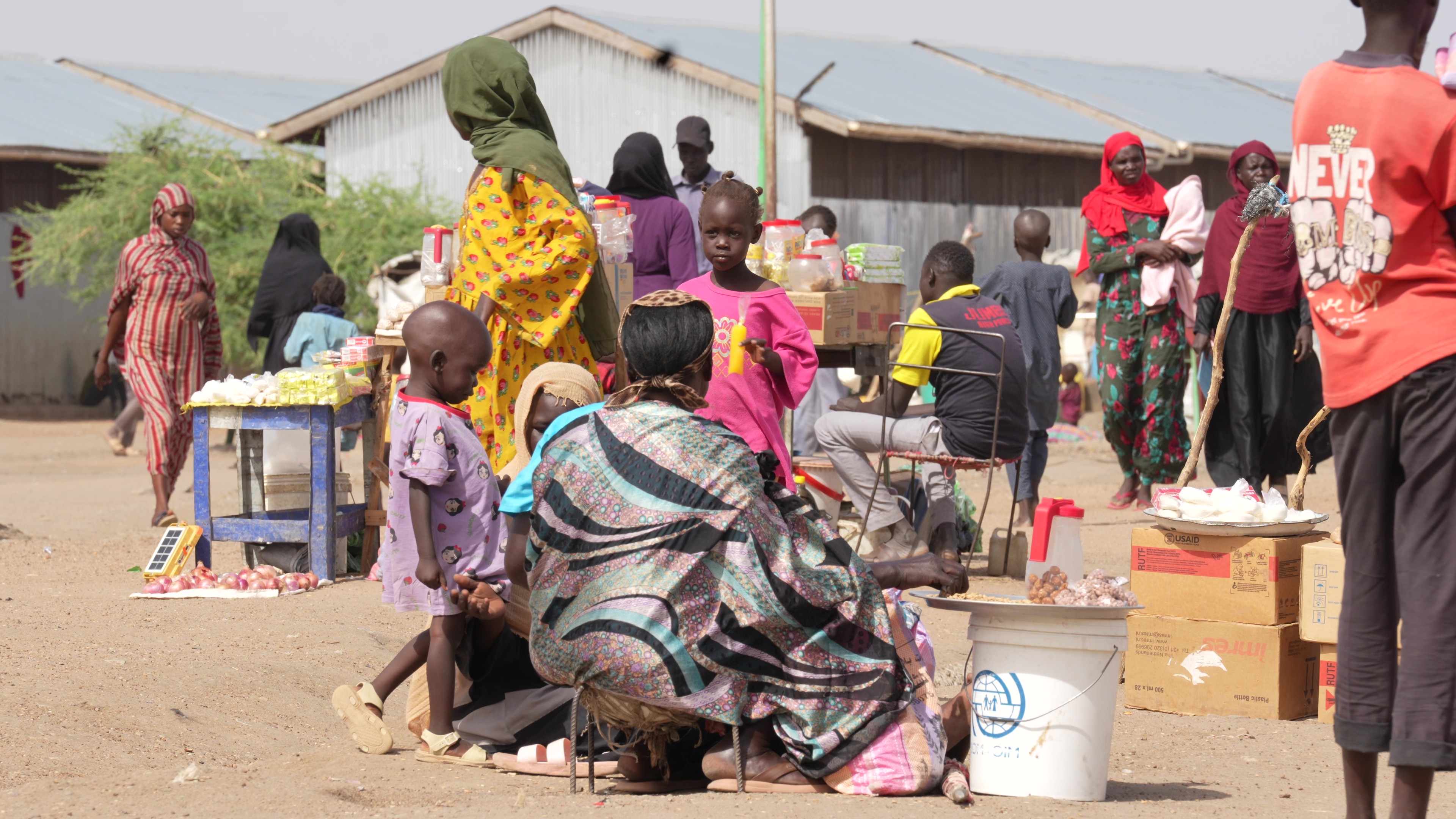
“No fruits, no mangoes, oranges, or grapes. No chicken, no meat,” adds *Shufa. “We only eat fish sometimes.”
Food insecurity and lack of access to education are deeply connected. When families cannot meet their basic needs, children are pulled out of school, trapping them in a cycle of lost learning and limited opportunity.
A World Vision staff member explains: “When they drop out of school, the future for them is not very bright, because we know that children who have not gone to school will be looking for ways to survive. Some of them will resort to stealing, others will resort to child labour, they'll be going to the markets, going to the community trying to look for jobs that are not equivalent to their age.”
Through its programmes, World Vision supports families like *Shufa’s in camps and transit centres with essential health services and assistance aimed at protecting children’s wellbeing. These interventions include the provision of emergency medical care for critical cases, outpatient consultation and treatment through the dispensary, timely referrals for specialised care, and antenatal services to expectant mothers. This support helps ease some of the pressures that force children out of school, giving them a better chance to return and continue their education.
A future at risk
*Shufa’s story reflects the reality of millions of children across South Sudan. Without sustained support, more children risk leaving school, more families face deepening hunger, and more futures are put on hold.
But with the right support, this can change. Supporting families like *Shufa’s means more than meeting immediate needs – it means protecting childhood, restoring access to education, and creating the possibility of a different, more hopeful future.