
How Shared Learning is Shaping the Future of Early Childhood

In the meeting rooms of Tanzania, something powerful was happening, not just presentations and discussions, but the coming together of ideas, experiences, and shared purpose to improve the lives of children.
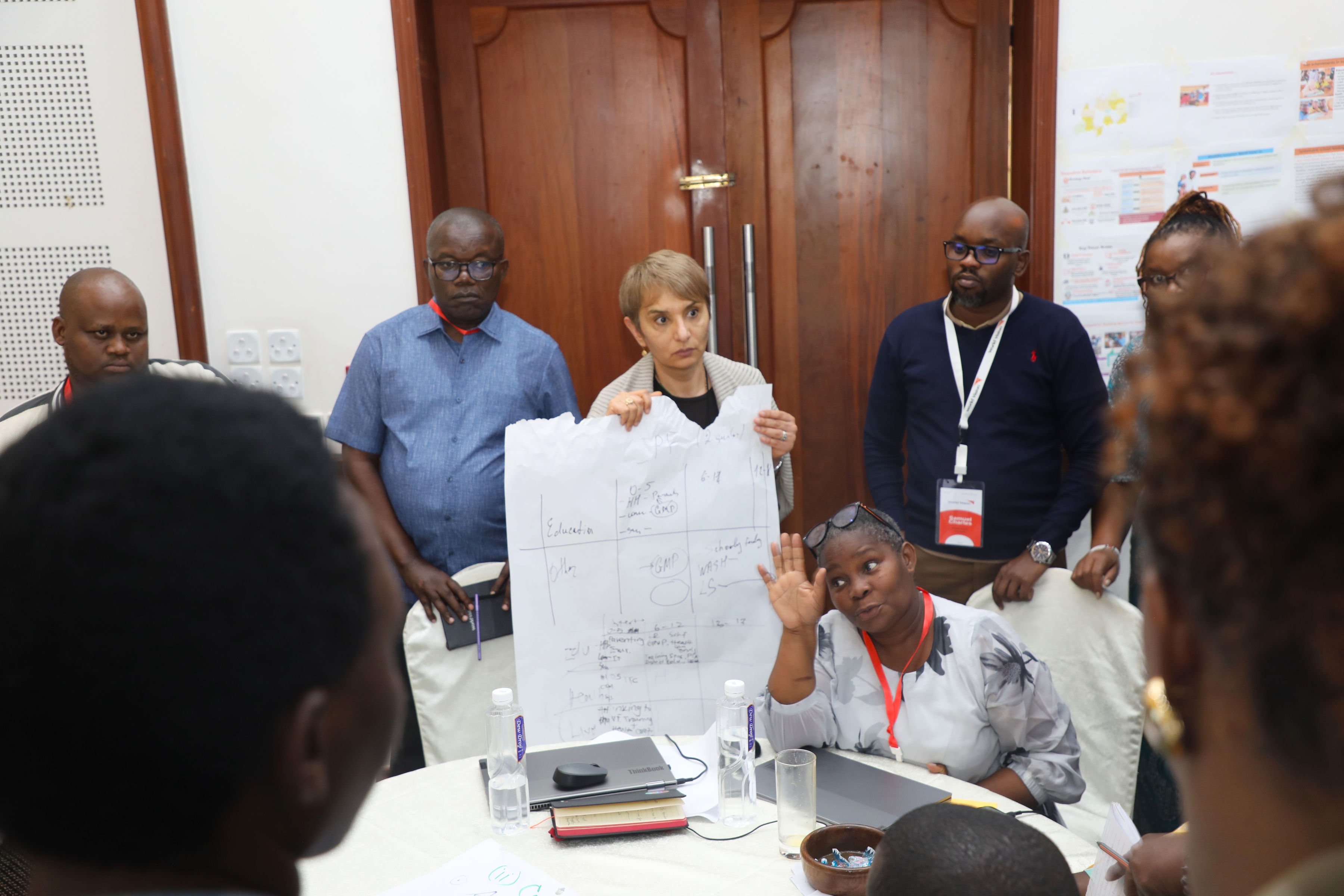
At the Gender Equality, Disability and Social Inclusion Global Forum, taking place in March 2026, and led by WV US (special thanks to Kerin Ord, Shelly Hartman Sunyak, and Edward Winter for the invitation to attend), voices from across World Vision and partner organisations painted a vivid picture of what inclusion truly means. Among the many insights, one stood out clearly: supporting parents is at the heart of supporting children with disabilities. Stories and examples showed how strengthening caregivers’ confidence, skills, and mental well-being can unlock a child’s potential, often in ways systems alone cannot. It was not just theory; it was practical, human, and deeply inspiring. The emerging “Every Child Belongs" framework echoed this vision, reminding us that every child, regardless of ability, deserves not only to survive, but to thrive.
Another key event in Tanzania, called the East Africa Annual Educational Summit, brought together colleagues from South Sudan, Sudan, Ethiopia, Tanzania, Rwanda, Burundi and Uganda. Here, the focus shifted from global frameworks to real-world practice. Field offices shared what is working, what is challenging, and what is possible when designing, implementing and measuring the impact of Integrated Program Frameworks. There was a sense of openness and curiosity. Teams were learning from one another, reflecting on their journeys, and shaping plans for the future. For the Global Centre Education Team, it was a real, valuable window into how education programming across the lifecycle, starting from early childhood, is taking root and growing across diverse, often fragile contexts, ensuring the most vulnerable children have foundational skills and learning to thrive.
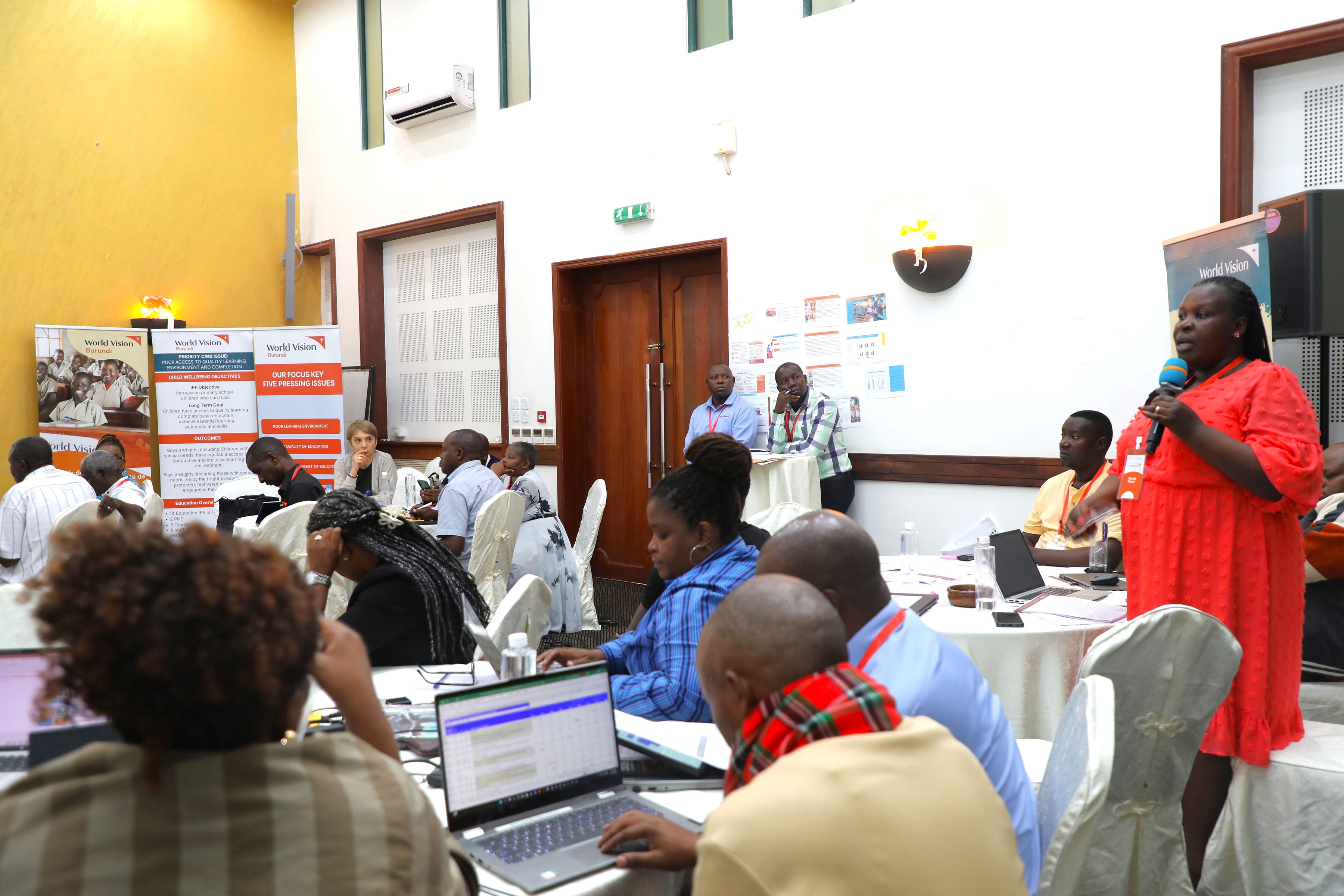
What made these moments truly enriching was not just the content, but the connections and new collaboration opportunities. Seeing how ideas from one context resonate in another, recognising patterns, and identifying opportunities to scale what works. These face-to-face exchanges help bridge the gap between global ambition and local reality, allowing us to connect the dots in ways that documents alone cannot. Equally important is the role of regional leadership (special thanks to Lydia Mukaye), whose supportive and inspiring guidance helps translate vision into action and drives more ambitious and integrated programme framework agendas across field offices. As highlighted in World Vision Tanzania’s leadership message, progress comes from collective learning and bold thinking, reinforcing that shared commitment and leadership are essential to turning insights into impact at scale.
In a region like East Africa, where many children face overlapping risks that affect their development, these insights matter deeply. The early years are where foundations are built, where human capital begins to take shape. And it is through shared learning, collaboration, and reflection that we can find new, practical, integrated, cost-effective pathways to support children not only to survive, but to be equipped, to learn, and to thrive.
Sometimes, progress begins not with a new program, but with a conversation.