
A Mother, 25 Taka, and a Promise to Protect Her Children’s Health in Ramu

In small village of Ramu, Cox’s Bazar, Tafura’s days begin early. Before the sun rises fully, she is already thinking about meals, school, and whether her husband’s rickshaw earnings will be enough for the day. Their family of six survives on what he brings home. Some days are better than others. Many are not.
For years, there was no toilet in their house. Like many rural households, they used a simple hole dug in the ground. During the rainy season, it became worse. Illnesses such as diarrhea and dysentery were common, and medical expenses consumed much of the little income her husband earned as a rickshaw driver. Tafura worried constantly about her four children. She had seen how poor sanitation and unsafe hygiene practices affected families across her village.
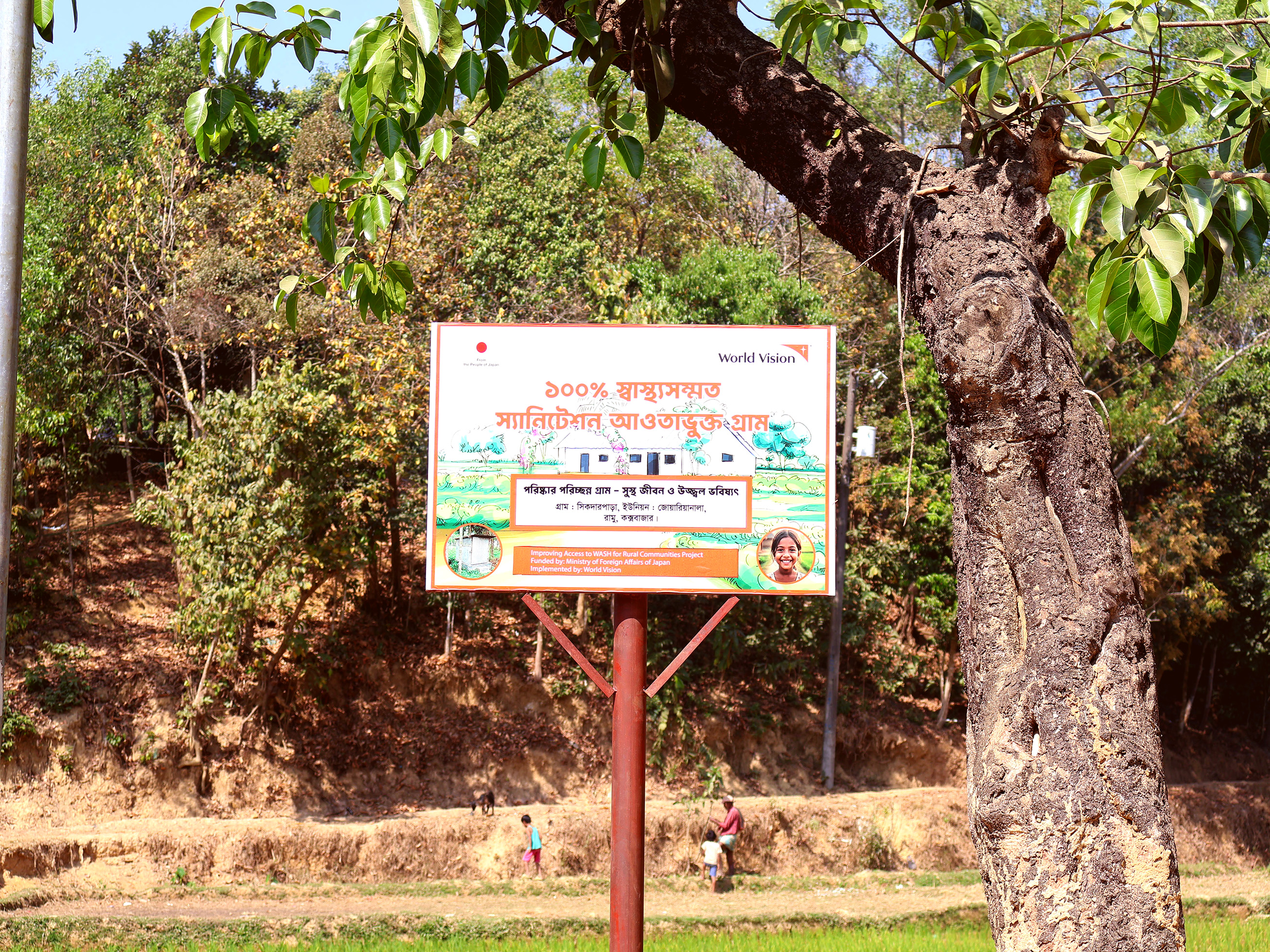
About seven months ago, Tafura joined a women’s group formed in the village under a WASH initiative supported by World Vision. She attended the meetings quietly at first. There, she learned about safe water, hygienic toilets, menstrual hygiene, and how disease spreads. The sessions opened her eyes to how simple sanitation improvements could protect her children’s health.
She went home thinking differently. Instead of saying, “We can’t afford it,” she asked her husband, “Can we save 25 taka a day?”
It wasn’t easy. But they tried. Within two months, she had saved 1,800 takas. She bought ring slabs and installed a sanitary latrine beside her home. Today, her children are healthier. Medical costs have dropped. More families in the village have upgraded their toilets too.
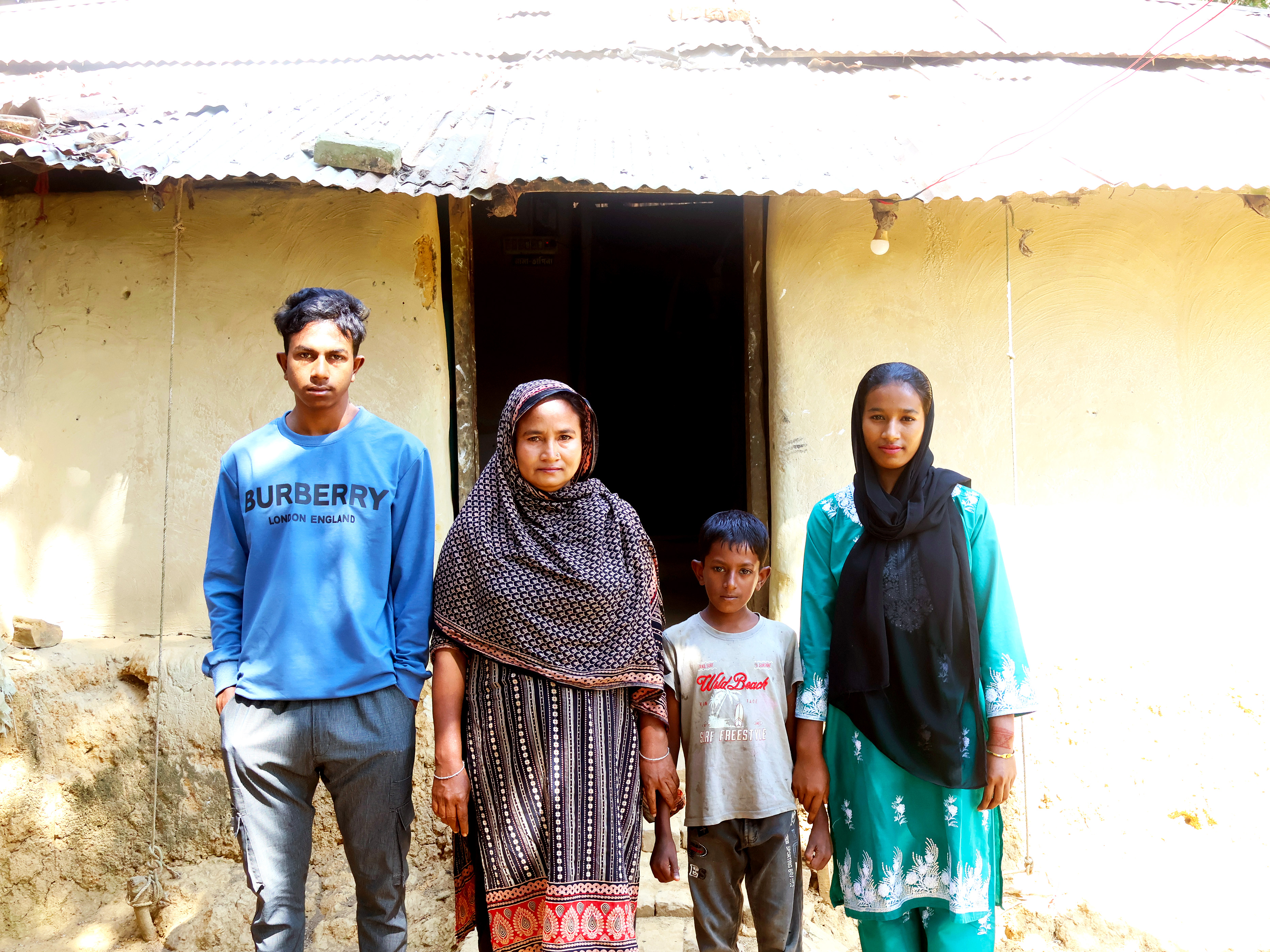
Tafura smiles when she says, “Now we feel respected, clean and healthy. "Sometimes, change does not arrive loudly. Sometimes, it grows quietly with small steps, shared learning within the community, and simple access to safe sanitation. And in villages like hers, those small steps are powerful enough to transform a family’s health and dignity for years to come.