
Back to the Fields: Mozambique Families Rebuild After Devastating Floods

Families are returning to their fields after floods struck Maganja da Costa district, in Mozambique’s central Zambézia province, in early January 2026.
The floods affected more than 7,250 people across the district. They destroyed crops, damaged homes and forced thousands to seek safety elsewhere.
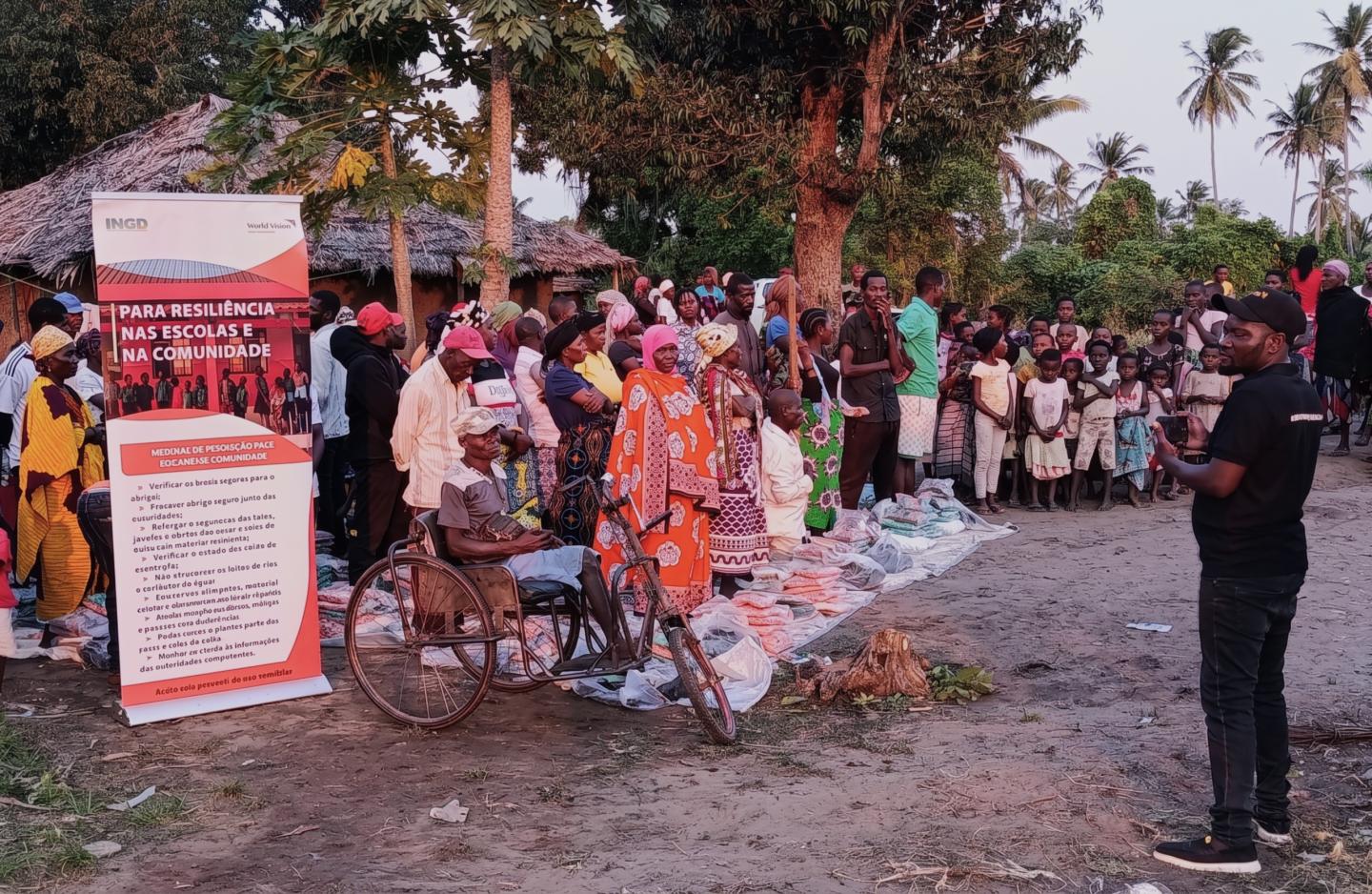
Most families depend on farming for food and income. Returning home was therefore only the first step. They also needed seeds and farming tools to resume production and provide for their households.
With funding from Taiwan and in coordination with the Government of Mozambique, World Vision Mozambique is supporting 720 families, representing about 3,600 people, in Cabuir, Nante and Muoloa.
This is the latest cycle of assistance in response to the floods. During earlier interventions, World Vision Mozambique provided food assistance to 1,114 families, representing approximately 3,981 people, in accommodation centres.
Across the different cycles of the response, World Vision Mozambique has provided aid to 1,834 families, representing approximately 7,581 people.
Returning to the fields
The loss of crops left many families without the food and income they depended on. Seeds and farming tools are now helping them cultivate their land again and rebuild the foundations of their livelihoods.
"The floods destroyed our crops. These seeds and farming tools are helping us grow food again and provide for our families," says Lino Mário, one of the beneficiaries.
The seeds include fast-maturing and climate-tolerant varieties. They were selected to help families produce food sooner and reduce the risk of losses linked to changing weather conditions.
Saute Hanzula, District Livelihoods Technical Coordinator, says the harvest could improve food availability and help families begin earning an income again if water levels remain favourable and there are no further extreme weather events.
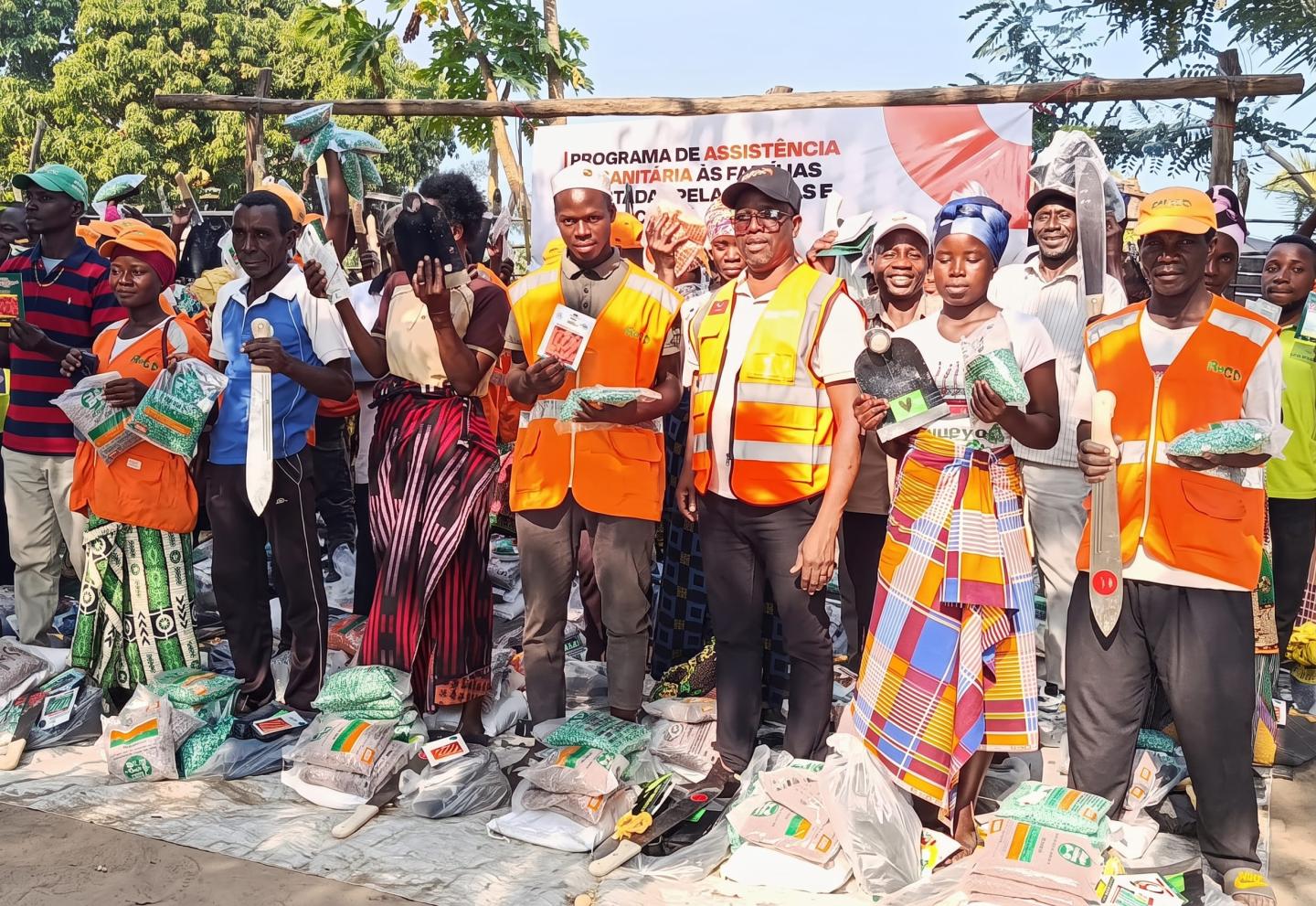
"These seeds are helping families move from emergency assistance towards recovery. By returning to their fields and restoring food production, they can feed their households, generate income and gradually regain their independence," he says.
Prioritising families facing the greatest challenges
Families were selected according to the impact of the floods and the challenges facing each household. Priority was given to families caring for children or people with disabilities, households led by women and those that lost crops and other assets.
Restoring food production is particularly important for children. When crops are destroyed, families can struggle to secure enough food. This can put children’s nutrition and wellbeing at risk. A successful harvest could provide more food and greater stability at home.
According to information available to World Vision Mozambique, no other organisation had provided similar assistance to the communities covered by this intervention in Cabuir, where 420 families are receiving seeds and farming tools.
World Vision Mozambique is delivering the support in coordination with the Government, including the National Institute for Disaster Risk Management and Reduction.