
A Borehole of Hope for Sónia in Northern Mozambique

For 11-year-old Sónia, fetching water once meant a two-hour journey. Today, that heavy burden has been replaced by a smile of relief.
With a new borehole just steps from her home in northern Mozambique, she no longer spends her mornings walking to a distant river. Instead, she carries the chance to stay in school and pursue her dream of becoming a teacher.
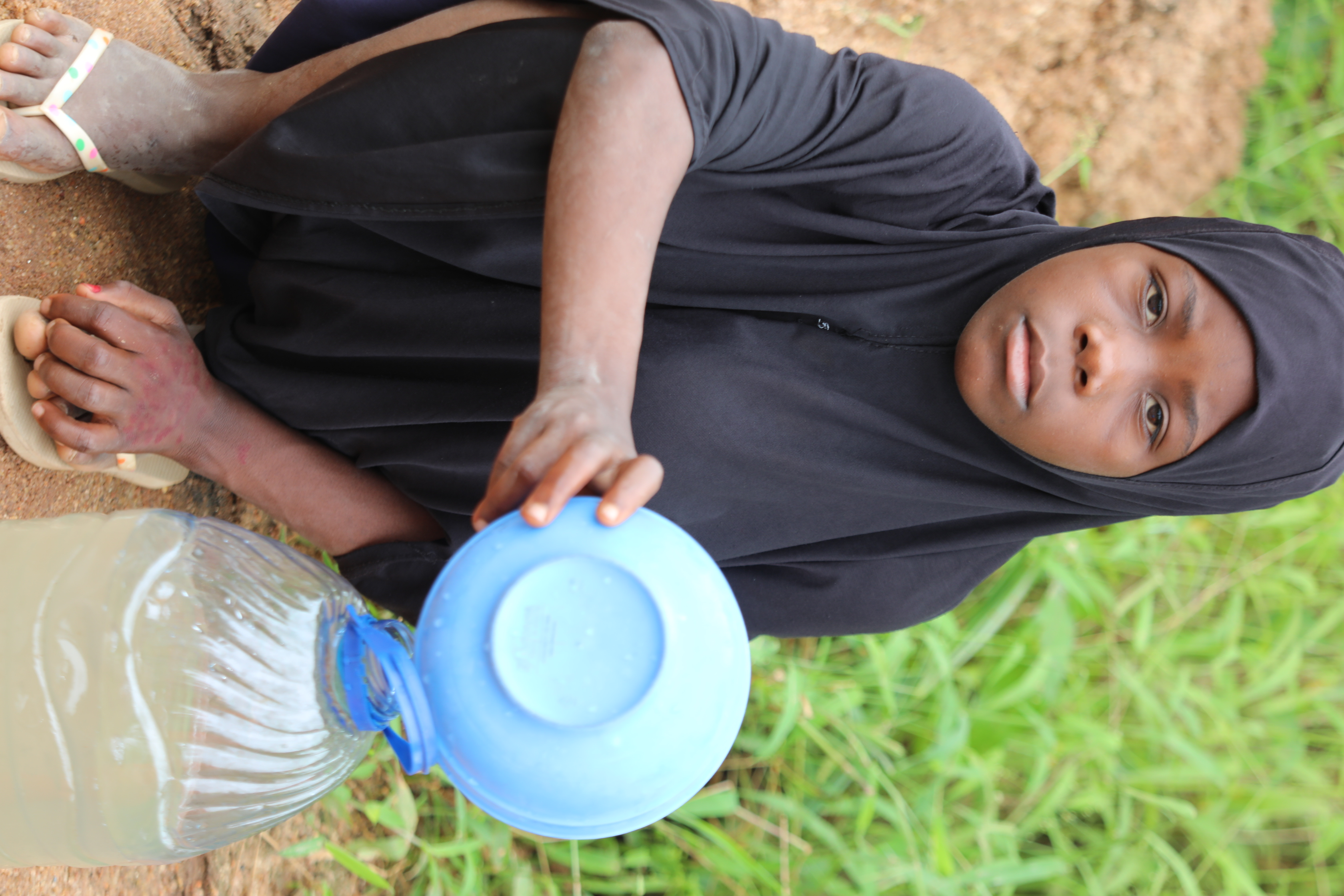
It is early morning in the rainy season, and the landscape is lush and green. Sónia leads the way to the place that once served as her family’s main source of water, a puddle by a river that was often contaminated. She explains how her mornings used to begin not with a textbook, but with the crushing weight of a plastic water container balanced on her head.
What was once a daily struggle has now given way to a new routine: time for learning, playing, and dreaming about the future.
“Our greatest pain was the distance,” she says quietly. “Walking for almost two hours with a water container on your head, and the hunger that came with it,” she adds.
Before the installation of the borehole, the daily survival of Sónia’s family rested on the shoulders of the young girl, her mother and her two siblings. The journey to the nearest river took about an hour each way. To ensure the household had enough water for drinking and cooking, the family often carried up to five containers in a single trip – because the distance made returning twice almost impossible.
For Sónia, a bright pupil in the fourth grade, it meant losing precious hours that should have been spent in the classroom, holding back both her academic progress and her future economic opportunities.
Everything changed in 2025.
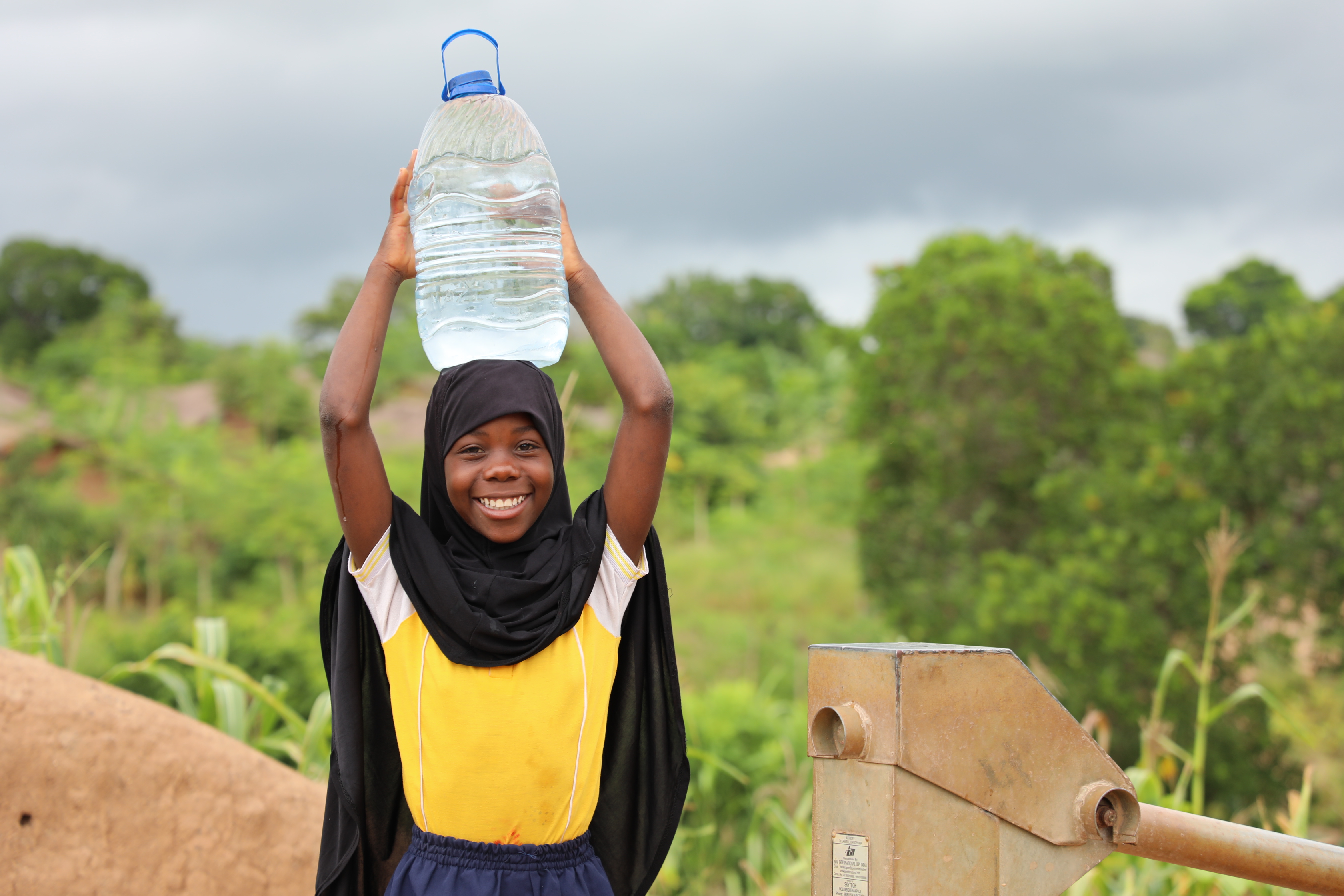
That year, World Vision installed a borehole in Sónia’s community, dramatically reducing the distance families needed to travel for clean water. For Sónia’s family, the impact was immediate.
“Life changed because the water source is now close to us,” she says. With the physical burden lifted, the household tasks that once consumed much of the day have become easier, giving Sónia time to focus on her education, which matters most.
In a region where the majority of the population is Muslim, Sónia’s family was also struck by the inclusive nature of the support.
“It is impressive how World Vision worked with everyone,” says her father. “As you know, here we are almost all Muslims. Yet they help everyone regardless of religion,” he adds.
In Memba district, this approach has helped build trust across communities. Clean water, after all, is a universal need that transcends religious boundaries.
Today, the borehole stands as a permanent fixture in the village and a symbol of change. Sónia no longer arrives at school exhausted after a long walk to the river. The hours once spent fetching water are now spent studying.
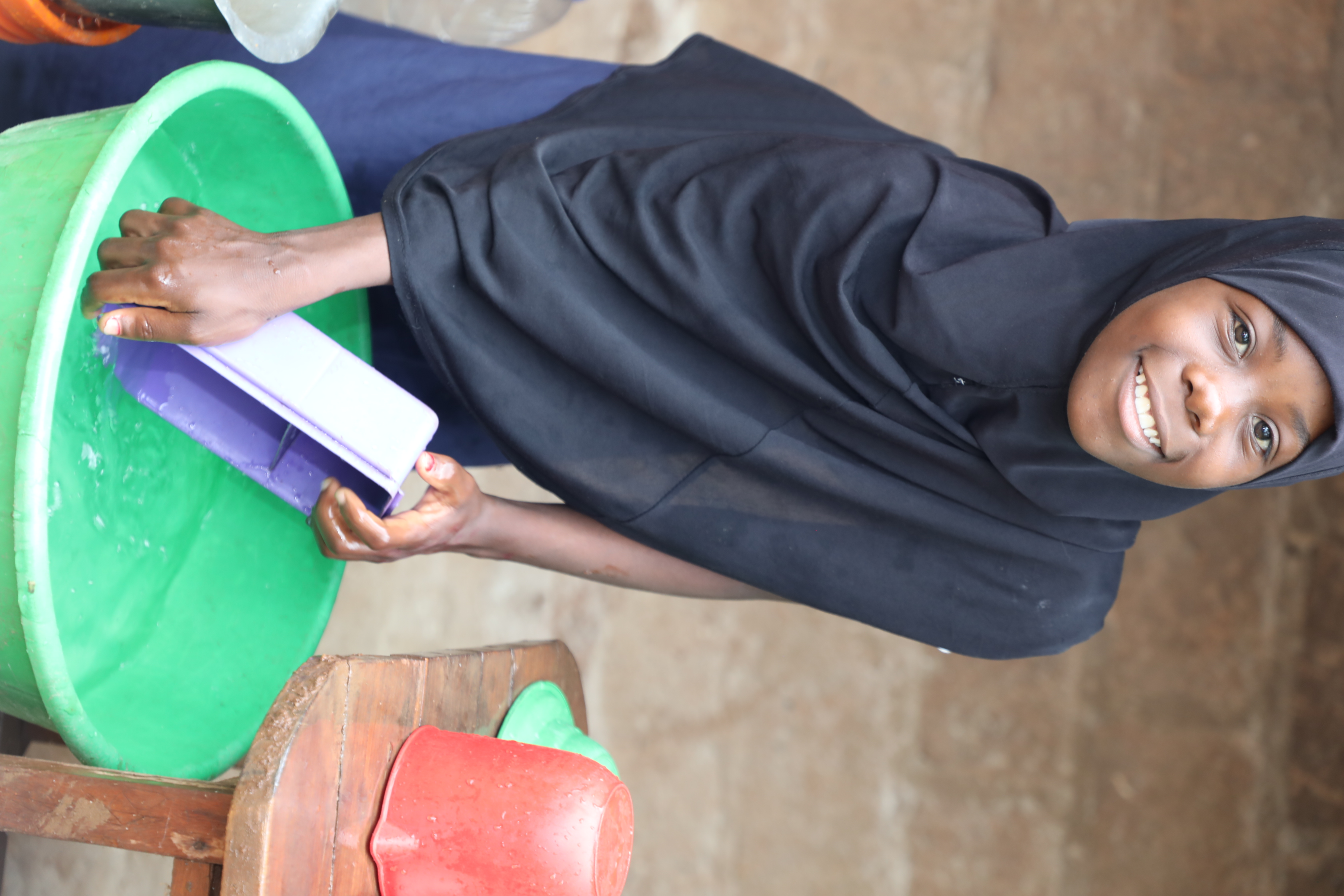
When asked about her dream for the future, her answer is immediate and certain.
“To be a teacher, so I can teach,” she says with a smile.
In Mazua, in the heart of Memba district, World Vision’s work reached 5,137 people in 2025 – including 1,236 women, 911 men, 1,431 boys and 1,559 girls – bringing safe water closer to home and opening new possibilities for children like Sónia.