
From Flood Recovery to Malaria Prevention in Gaza

Every night in Mabalane, the same ritual begins.
Darkness settles over Marta Mabunda’s home and, with it, comes the buzzing. It is not a distant sound. It is a persistent chorus filling the air inside and around the house. The mosquitoes did not disappear when the floodwaters receded.
Months ago, the floods swept away much of what Marta and her family had. When the waters finally began to recede, many thought the worst was over. But pools of water remained. Stagnant water became a breeding ground for mosquitoes. And the mosquito, a threat that communities in Gaza tend to pay less attention to during the colder months, returned with renewed force.
“After the floods, we thought the worst was over when the water started to go down. But the mosquitoes stayed. There are so many at night, and we worry about the children because we know they could become sick,” says Marta, a mother of three.
Her concern is not unfounded.
Between January and June this year, Gaza Province recorded 77,212 cases of malaria, compared with 28,342 during the same period last year. That represents a 172 per cent increase, or almost 49,000 additional cases. Health authorities say the floods created favourable conditions for the breeding of the mosquitoes that transmit the disease.
For families who have already lost homes, belongings and livelihoods, malaria is another blow. And it is the health of her children that weighs most heavily on Marta’s mind.
“When a child develops a fever, the first thing we think about is malaria. As a mother, I am afraid. We have already been through the floods and lost so much. We do not want to lose our children’s health as well,” she says.
It is at this fragile point, between emergency response and recovery, that prevention becomes critical.
World Vision, which has supported communities since the early days of the floods, is now moving towards recovery, with interventions focused on livelihoods, water and sanitation, and education. But the mosquitoes will not wait.
Aiming to protect families and reduce malaria risk, a major campaign led by the Gaza Provincial Health Directorate, in partnership with World Vision Mozambique, is preparing to distribute 792,850 long-lasting insecticidal nets across Gaza Province, excluding Xai-Xai District.
More than 1.5 million people are expected to benefit from the campaign, roughly one net for every two people. It is a simple but important barrier between the night-time buzz of mosquitoes and children as they sleep.
In Chongoene District, Erica, 23, also hopes to be among those who benefit. Pregnant with her first child, her greatest wish is simple: that her baby grows up healthy and protected from the risk of malaria.
For her, receiving a mosquito net means being able to strengthen that protection from the very first days of her baby’s life.
“I will always use the mosquito net. I do not want any mosquito to bite my baby,” says Erica, resting her hands on her belly and smiling.
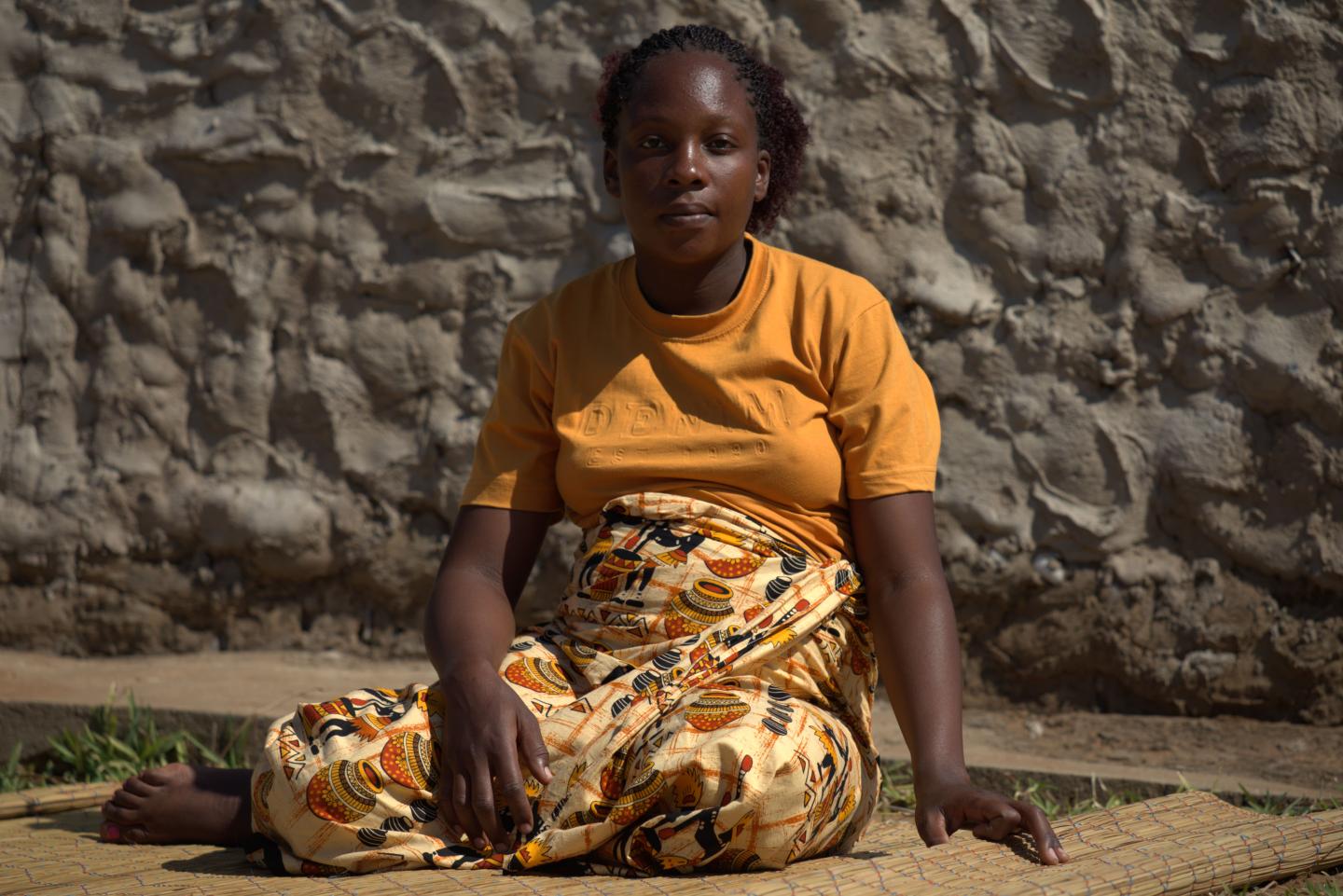
For women like Marta and Erica, the campaign represents more than the distribution of hundreds of thousands of nets. It is an opportunity to turn a simple preventive measure into a practical way of protecting children and giving families greater peace of mind as Gaza continues to recover from the floods.