
A Harvest That Put a Child Back in School

In Monapo, northern Mozambique, stronger family incomes are helping children stay in school and giving them a chance to pursue their dreams. For 14-year-old Evanildo, income from his grandmother's farming has helped him return to the classroom and set his sights on becoming a teacher.
Evanildo is back in school.
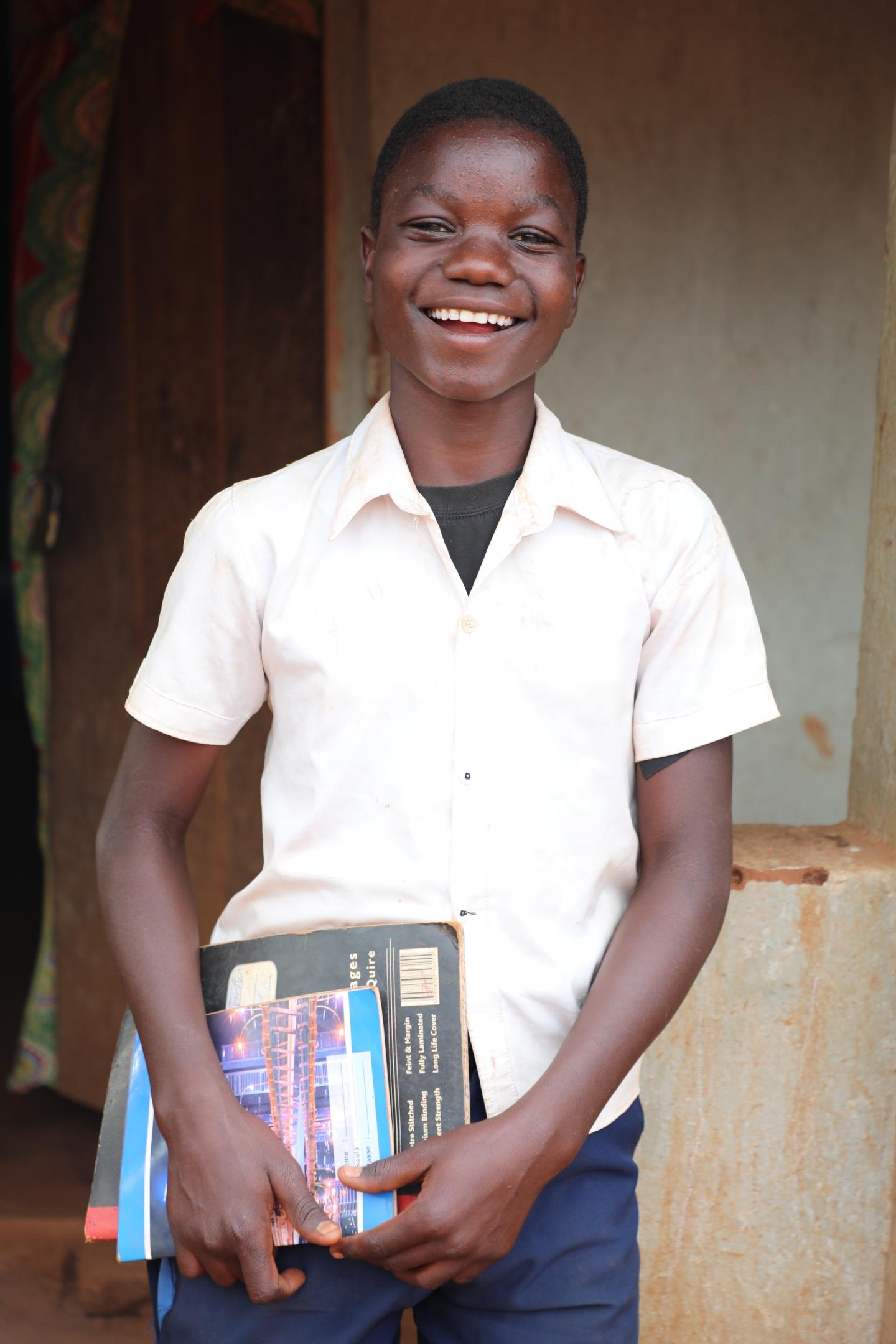
The 14-year-old Grade 8 student had once been forced to leave school because his family could not afford a school uniform and learning materials.
Today, he is studying again.
Behind his return is a change taking place on his grandmother's farm. She joined a local farmers' association in 2019. With support from World Vision, the association has helped members increase agricultural production, sell their crops and improve household incomes.
The benefits have reached far beyond the farm.
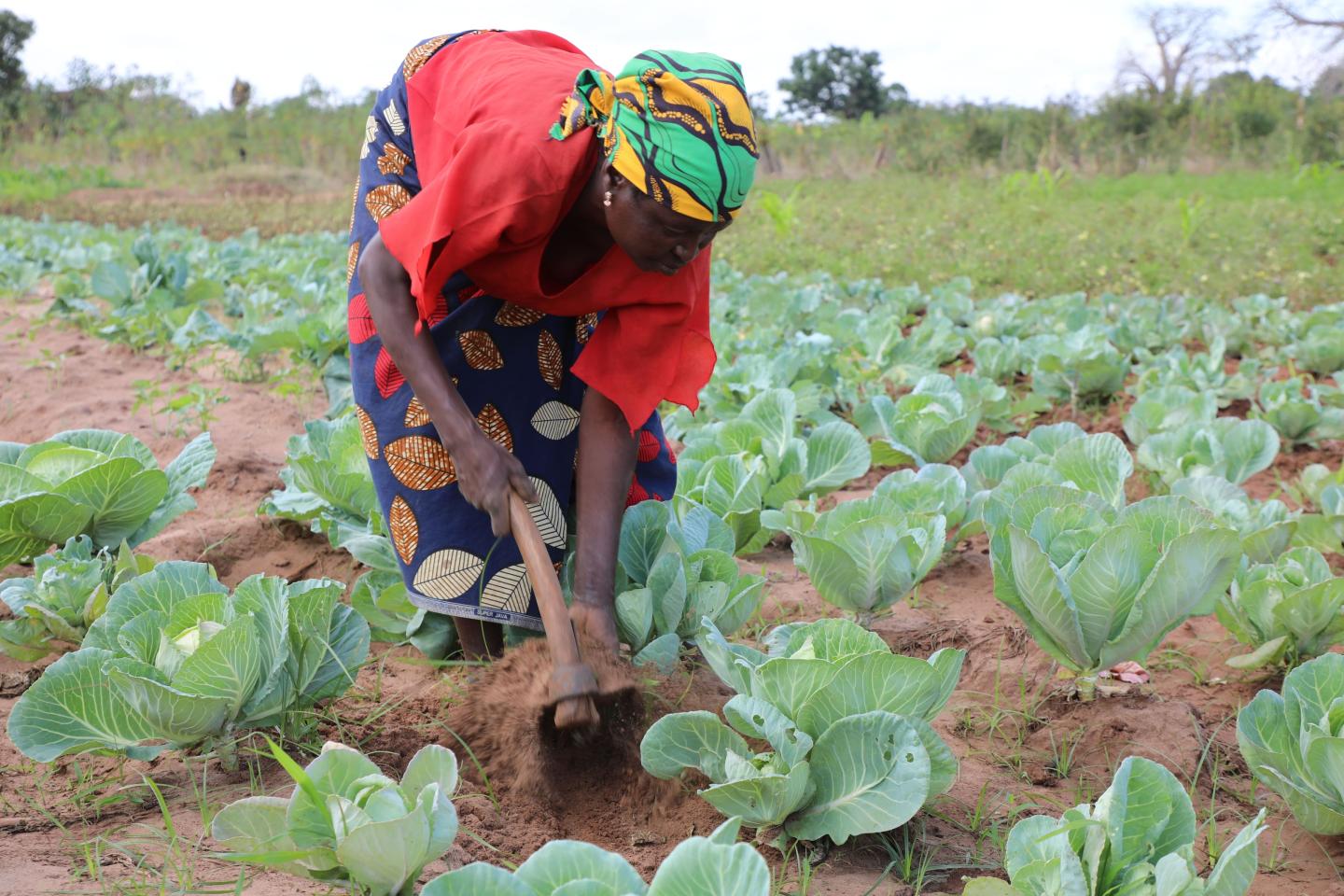
The elderly woman has acquired land, built and roofed her house, bought chairs and livestock, and contributed towards school materials for her children and grandchildren.
One of them is Evanildo.
“Returning to school was the best thing that happened to me because when I grow up, I want to be a teacher,” he says.
For families who depend on small scale farming, limited income can affect almost every part of daily life.
School uniforms, books and other learning materials can become difficult to afford. Children can end up staying at home.
World Vision's livelihoods work in Monapo is helping families build stronger and more reliable sources of food and income.
The programme provides farmer groups with vegetable seed kits, watering cans and farming tools. Farmers also receive training in sustainable and climate smart agriculture, post-harvest management and access to markets.
The support goes beyond farming.
Farmer associations receive guidance on business planning, value chain analysis, market identification and negotiation. They are also connected with government extension services, markets and private sector actors.
The aim is to help farmers move from simply producing crops to building more sustainable livelihoods.
“Savings and financial literacy are also part of our livelihoods’ approach. Families are encouraged to manage their income and savings in ways that support children's well-being and help meet essential needs, including education,” says Danilo Macuacua, District Programme Manager.
From 2024 to 2026, the Livelihoods Technical Programme in Monapo reached a total of 9,643 children and supported 63 producer groups with financial literacy training and agricultural inputs.
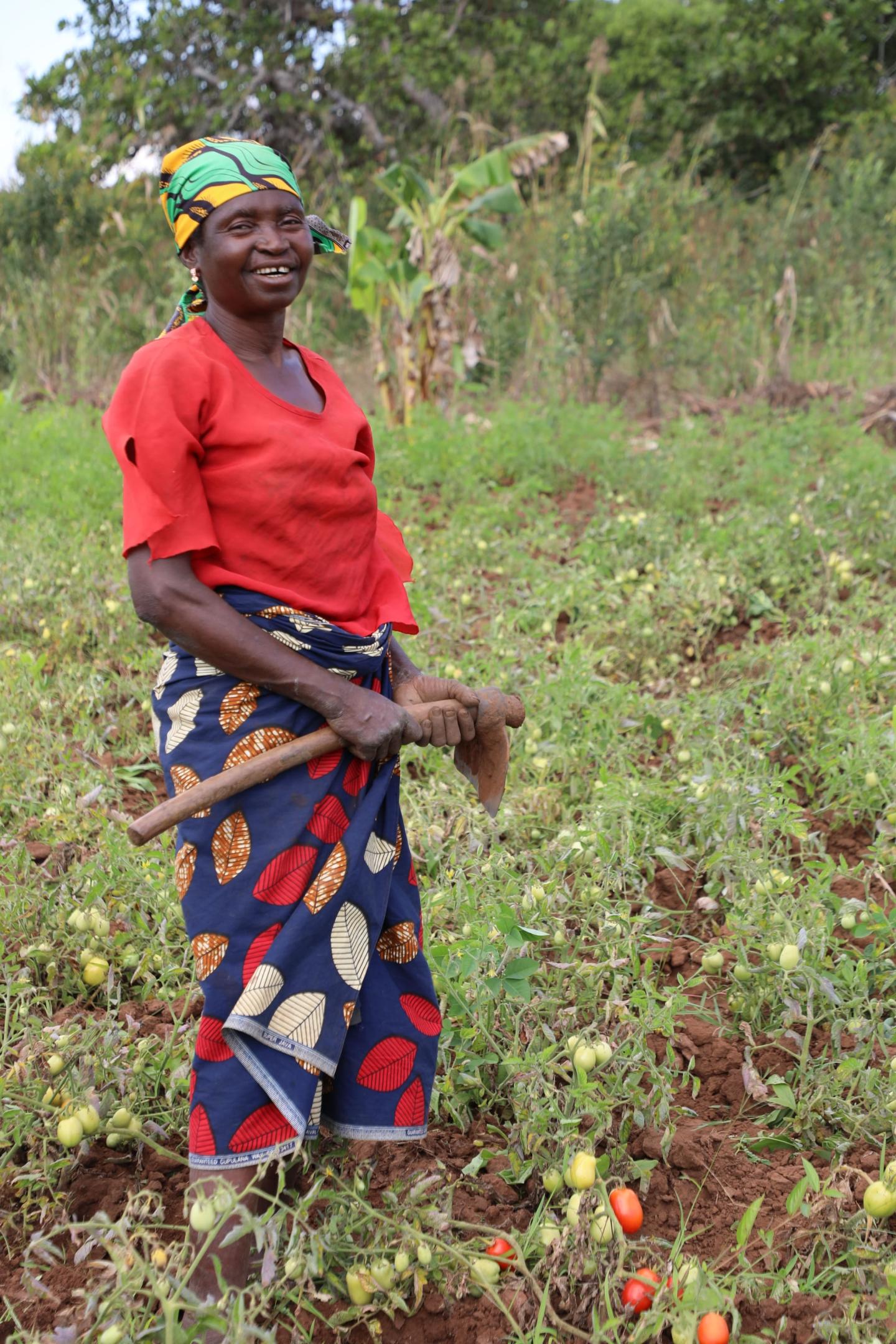
The harvest now brings more than food to the household. It also helps keep Evanildo in school. He works alongside his grandmother on the farm, growing crops such as cabbage and tomatoes. Once harvested, part of the produce is sold, generating income that helps the family cover essential needs, including his school uniform.
“I also help my grandmother on the farm where we grow our crops. After the harvest, we sell some of the produce and use the money to buy the uniform I need for school,” he joyfully says.
Evanildo now returns to school with the uniform his family once struggled to afford. But when classes end, his day does not stop there. He goes back to the farm, where he works alongside his grandmother among the cabbage and tomatoes.
He knows what the harvest can do.
It can put food on the table. It can pay for a uniform. And, for him, it can keep a place open in a classroom.
Now, he is a student. One day, he hopes to be the one teaching others.