
USDA Monitors School Feeding Success in Mozambique

In May 2026, USDA Foreign Service Officer Samuel E. Driggers, Jr., conducted a monitoring visit to Nampula Province, Mozambique, to assess the McGovern-Dole International Food for Education and Child Nutrition programme's school feeding activities implemented by World Vision and partners through the Partnering for Sustainable Education Outcomes (PARES) project.
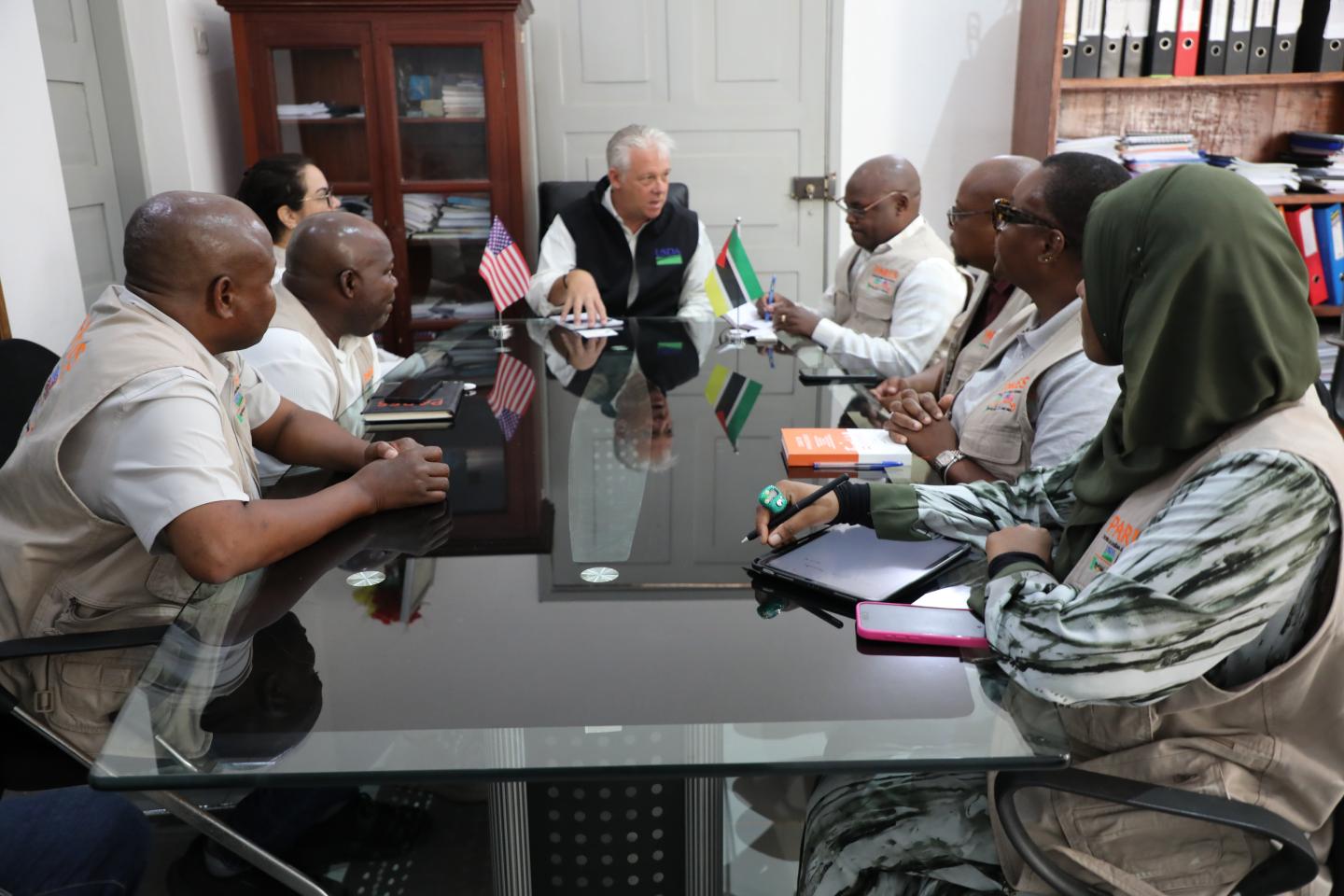
During the three day-visit, FSO Driggers observed how integrated approaches are improving education outcomes for children in underserved communities through:
- Nutritious school meals that support learning and attendance
- Safe water and sanitation (WASH) infrastructure
- Literacy and reading support programmes
- School gardens and community engagement
- Strong commodity management and logistics systems
The visit included field monitoring in Meconta District, where FSO Driggers met with local government officials, inspected commodity warehouses, and visited Eduardo Mondlane II Primary School to observe meal preparation, WASH facilities, and literacy activities in action.
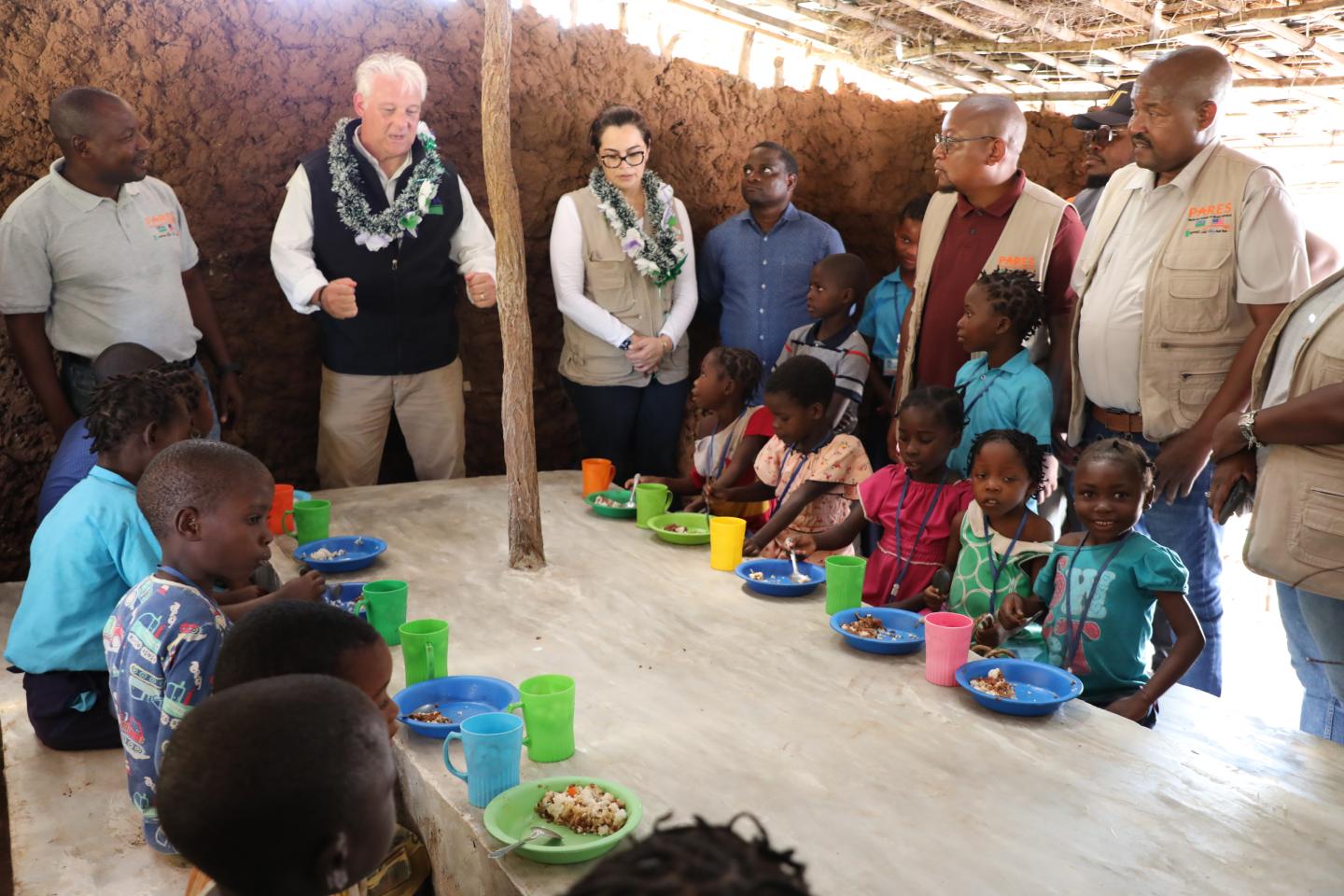
Key findings: World Vision demonstrates strong program implementation capacity with effective commodity management and beneficiary targeting. Government of Mozambique counterparts at district and provincial levels expressed commitment to programme sustainability and policy integration. Emerging public-private partnerships show promise for long-term sustainability beyond donor funding.
This investment strengthens the economic development capacity of Nampula Province by supporting local agricultural value chains, creating employment opportunities in food processing and logistics, and building human capital through improved child nutrition and education - laying the foundation for a more productive workforce and resilient communities. By fostering collaboration between local government, schools, and communities, the McGovern-Dole program also strengthens good governance and institutional capacity at the district and provincial levels. Improved education outcomes and economic opportunities contribute to regional stability and security by addressing root causes of vulnerability and building more prosperous, resilient communities.
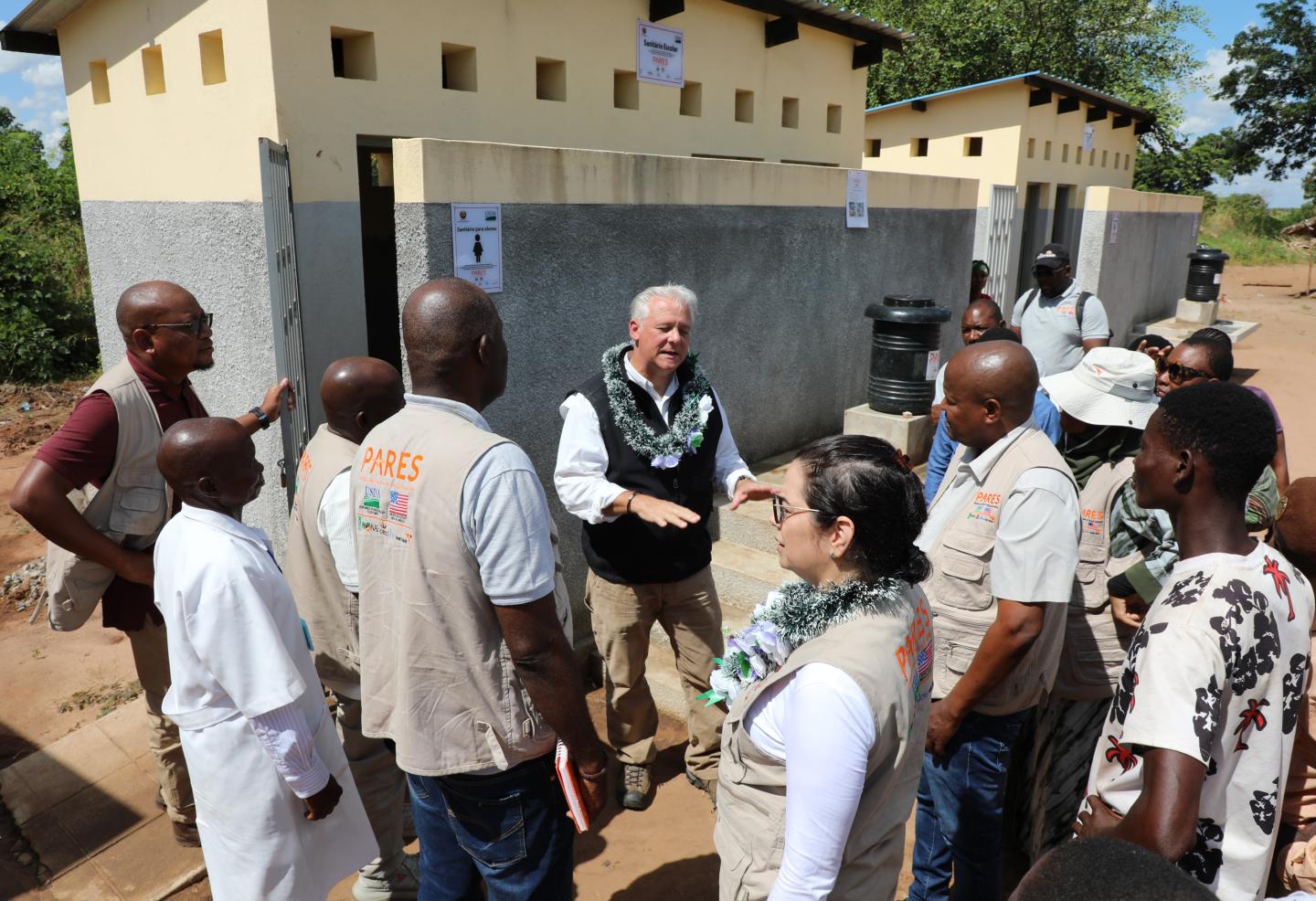
“The progress we observed in Nampula Province demonstrates the impact of strong partnerships between communities, schools, local authorities, and implementing organizations. When nutrition, health, and education are addressed together-with strong local leadership-the results are sustainable and transformative for children learning and well-being,” said Samuel Driggers, Regional Agricultural Attaché, USDA/Foreign Agricultural Service (FAS).
The PARES project is funded through USDA’s McGovern-Dole International Food for Education and Child Nutrition Program, which utilizes U.S. agricultural commodities and financial assistance to support school feeding and education programmes in low-income countries around the world.