
Breaking Barriers and Building Dignity at Tanginare Primary School

At Tanginare Primary School in rural Bougainville, access to safe sanitation was once limited, directly impacting students’ health, dignity, and confidence. With only one basic latrine available, many students were forced to wait for long periods, while others resorted to using nearby bushes. For younger children, particularly girls, fear, embarrassment, and cultural taboos made sanitation a sensitive and distressing issue.
“Some students were afraid, and some felt ashamed. Others would laugh or make fun, so younger ones did not want to use the toilet,” recalled John.
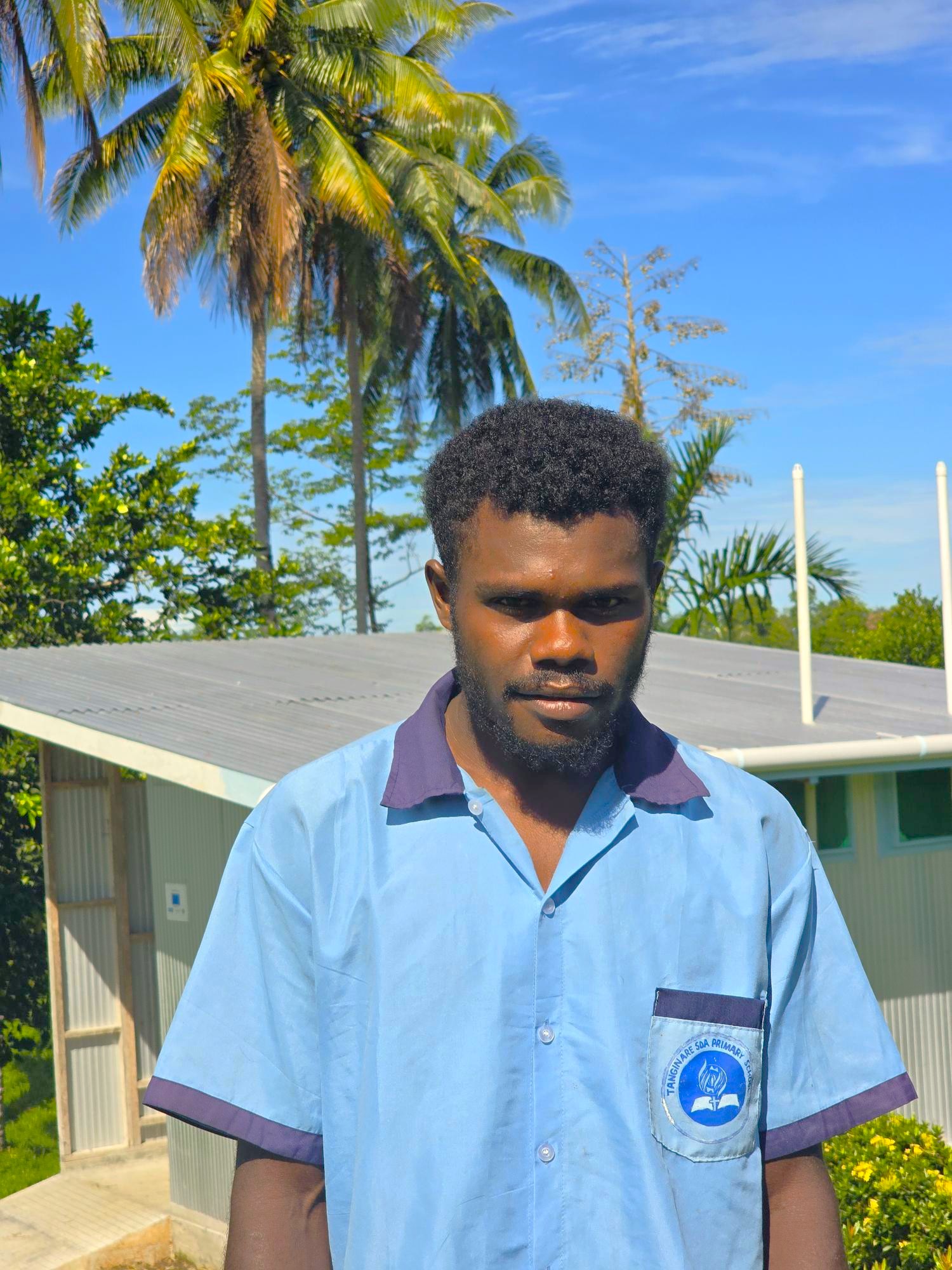
With funding support from the European Union and implemented by Plan International in partnership with World Vision PNG, Tanginare Primary School received improved sanitation facilities in 2025. The new infrastructure includes septic-flush latrines, shower facilities, and handwashing stations that’s providing students with safe, private, and dignified sanitation services that meet basic Water, Sanitation and Hygiene (WASH) standards.
While these improvements addressed a critical need, the most significant changes have been seen in student behaviour and confidence. Students themselves have since taken on leadership roles to promote positive attitudes and encourage the use of the new facilities.
John has become a strong advocate among his peers, helping to challenge stigma and normalise safe sanitation practices.
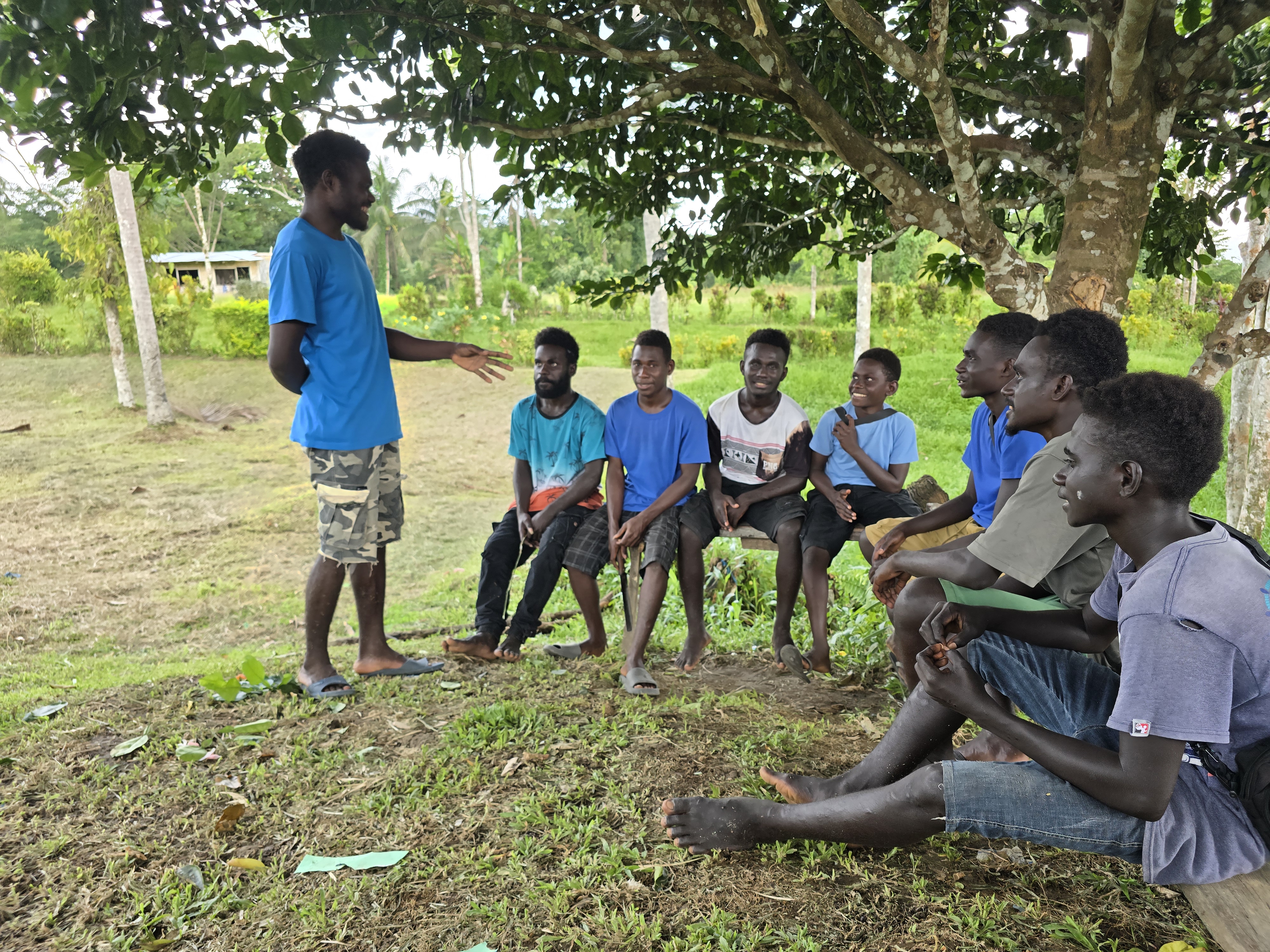
“I tell them it is normal. Other schools use toilets like this. We should not laugh or be ashamed. “Now I feel proud when I see everyone using it properly,” he said.
Belinda, the Head Girl, has taken a leading role in supporting younger students. Through simple demonstrations, she shows them how to use the facilities and practice good hygiene.
“The little ones were scared at first. But when we show them step by step, they feel okay. Now they are happy and not afraid,” she explained.
This peer-to-peer approach has helped younger children build confidence and has ensured that no student is left behind.
Teachers have also played an essential role in supporting this transformation. Recognising that infrastructure alone would not address deeply rooted cultural barriers, the school introduced regular sessions where teachers guide students through the proper use of sanitation facilities and discuss hygiene openly.
Head Teacher Philip emphasised the importance of open dialogue in addressing long standing beliefs.
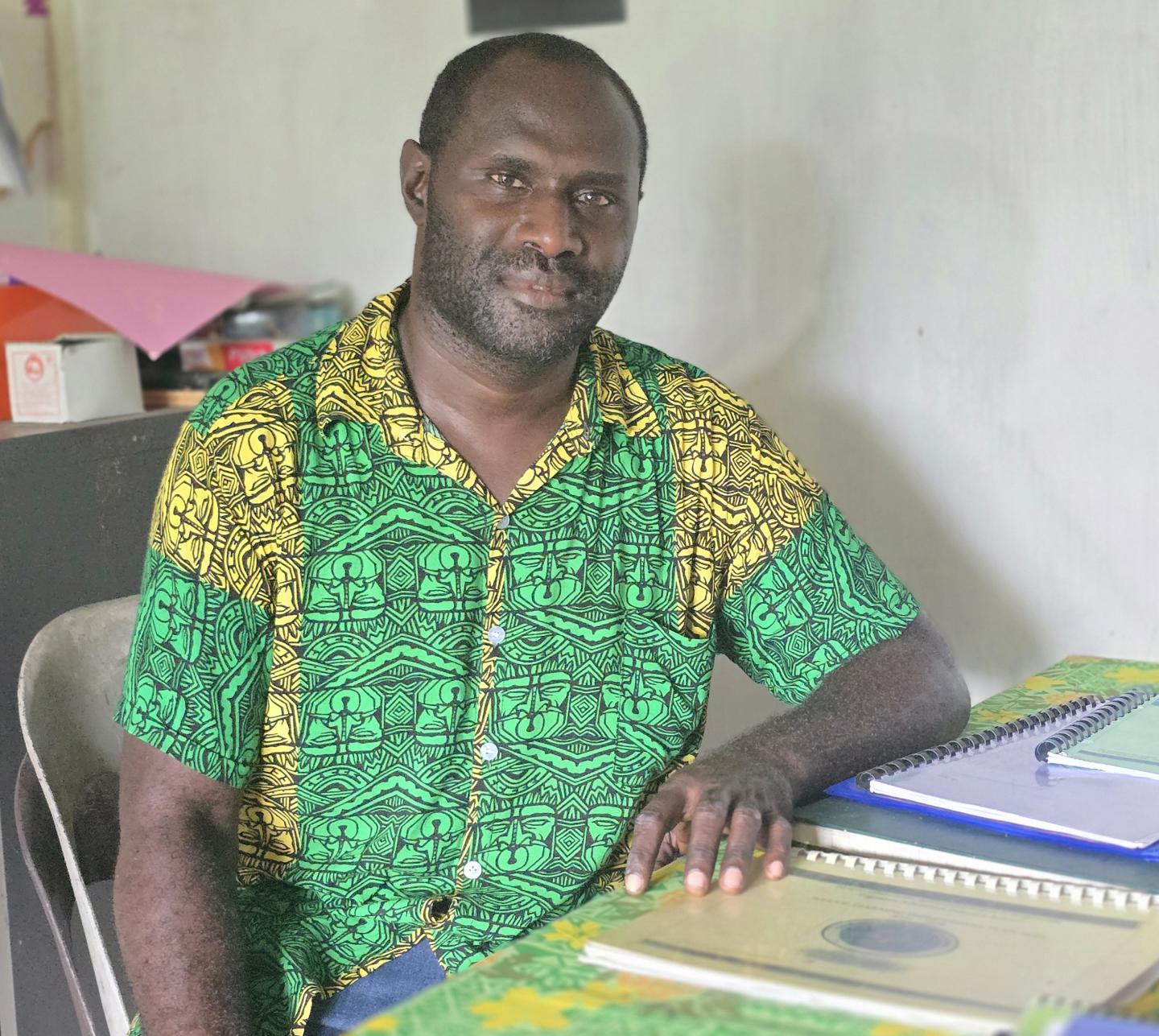
“We had to talk about the taboos openly. We told the children that using a latrine is normal and healthy, and that there is no shame. When teachers speak, children listen,” he shared.
This consistent engagement has strengthened understanding and reinforced positive hygiene practices across the school.
The results have been clear. All students are now consistently using the sanitation facilities, and the overall school environment has improved significantly. Teachers report better hygiene practices, increased confidence among students and the complete elimination of open defecation within the school grounds.
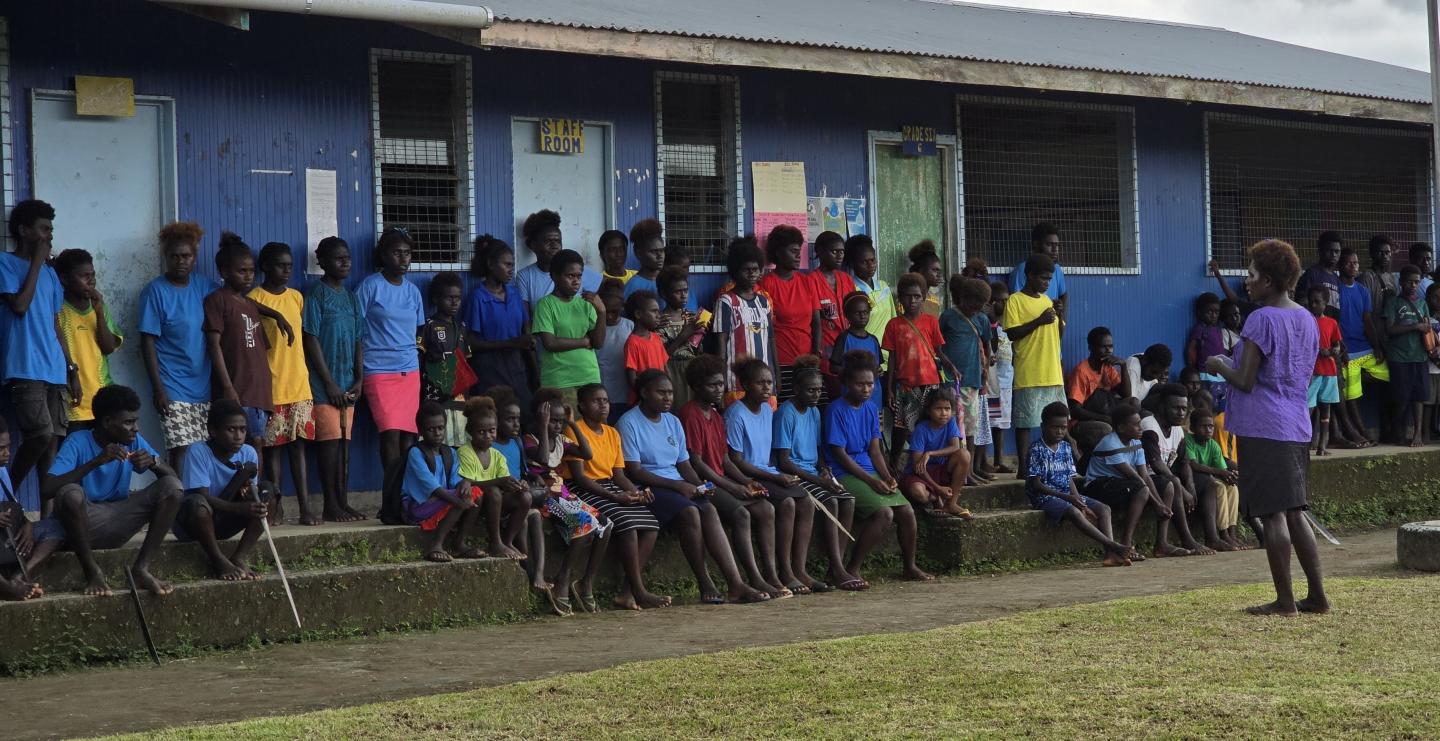
“Now I feel comfortable coming to school every day. We have a clean place,” one student shared quietly.
The school has also taken important steps to sustain these improvements. Sanitation and hygiene have been integrated into the School Learning Improvement Plan, and the school has begun allocating its own resources to maintain and expand WASH activities. Following participation in World Water Day in March 2026, the school has committed to introducing additional handwashing solutions, demonstrating both ownership and forward planning.
For Head Teacher Philip, the impact goes beyond infrastructure.
“This facility is truly a gift, an answered prayer. It is something we had planned for but could not achieve alone,” he said.
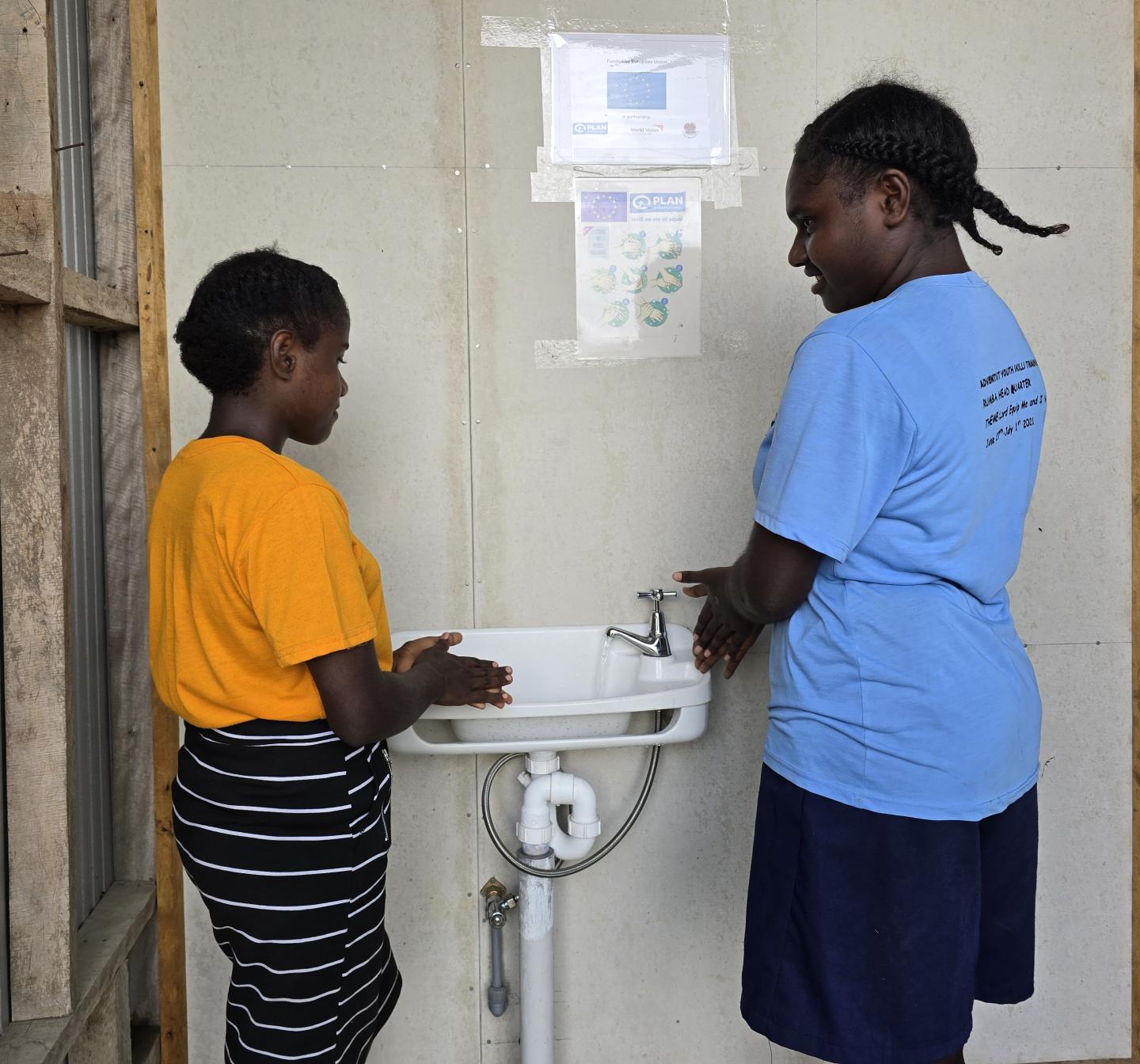
The experience at Tanginare Primary School shows that lasting change is achieved when infrastructure is combined with strong leadership, community involvement and behaviour change. With support from the European Union, students, teachers and partners have worked together to create a safer, more inclusive and more dignified school environment where every child can learn with confidence.