
Building Better Futures: The PIE Program’s Impact at Kupiano Elementry School and Across Abau District

In Abau District, Central Province, access to quality education has long been shaped by distance, difficult terrain, and limited school infrastructure. Schools are scattered across remote communities, with poor road access and long travel times for both students and teachers. For years, these conditions defined how children learned and how teachers taught, until the arrival of the Partnerships for Improving Education (PIE) Project.
In partnership with World Vision Papua New Guinea and supported through PNG and Australian Governments Partnerships for Improving Education (PIE), the program is creating meaningful change by strengthening early child education and ensuring that even the most remote schools are reached.
The PIE Program focuses on early childhood and lower primary education (Prep to Grade 2), recognising that strong foundations in literacy and numeracy are critical for lifelong learning success.
Across Central Province, the project supports 250 schools, demonstrating a strong commitment to improving education quality, equity, and access.
In Abau District, this support is reshaping classrooms, strengthening teaching practices, and improving learning environments, giving children a better chance to learn, grow, and succeed.
A key component of PIE’s work in Abau District is AQEFA funding (Achieving Quality Education for All). Schools that demonstrate the ability to manage funds responsibly are supported directly, enabling them to address priority needs that affect learning outcomes.
AQEFA funding focuses on improving, student attendance and retention, classroom learning conditions and Inclusion of girls and children with disabilities.
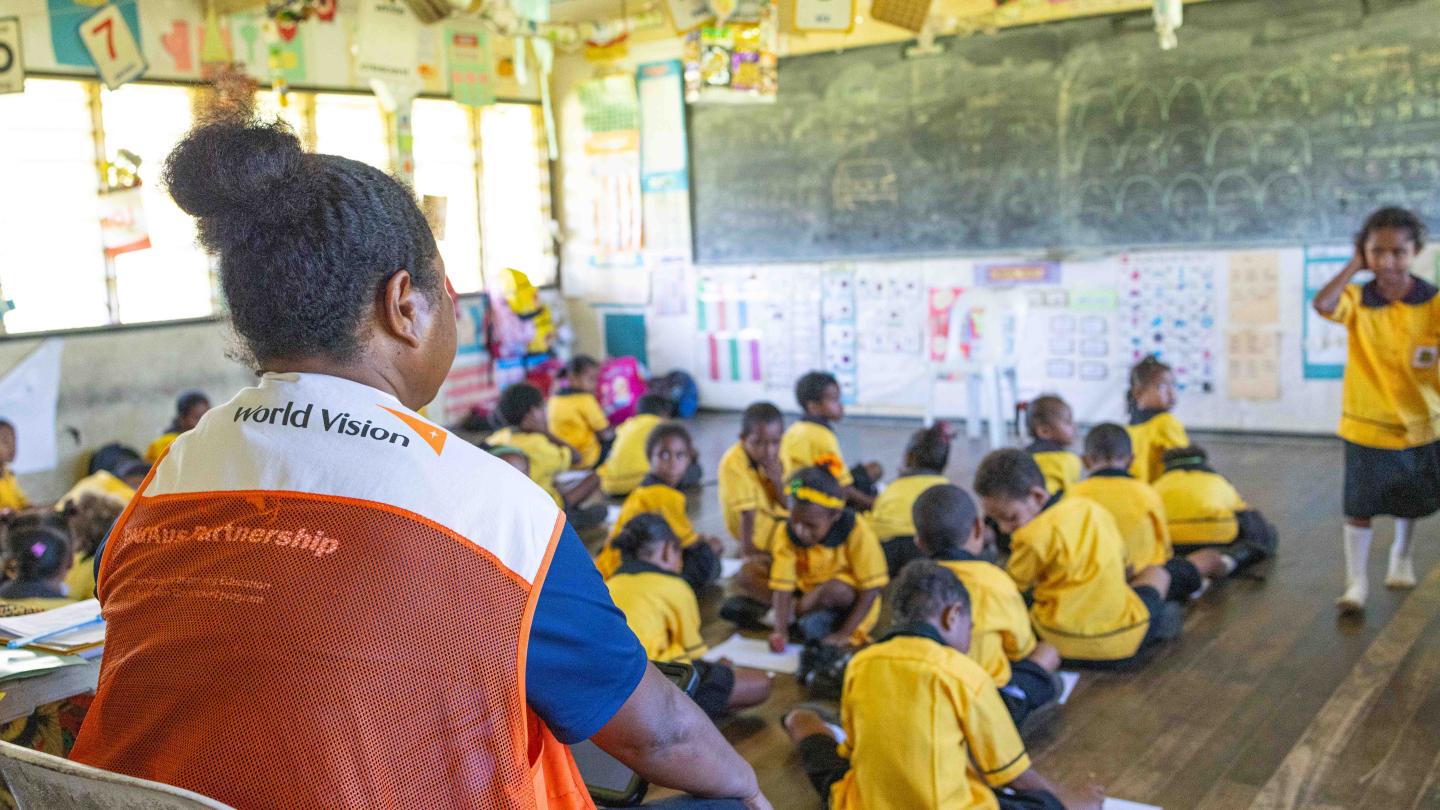
Several schools across Abau District have benefited from AQEFA support, strengthening school‑level ownership and accountability. One of these schools is Kupiano Elementry School.
When Mr. Noah Kwalimu, Head Teacher of Kupiano Elementry School, speaks about his school, his voice carries both history and hope.
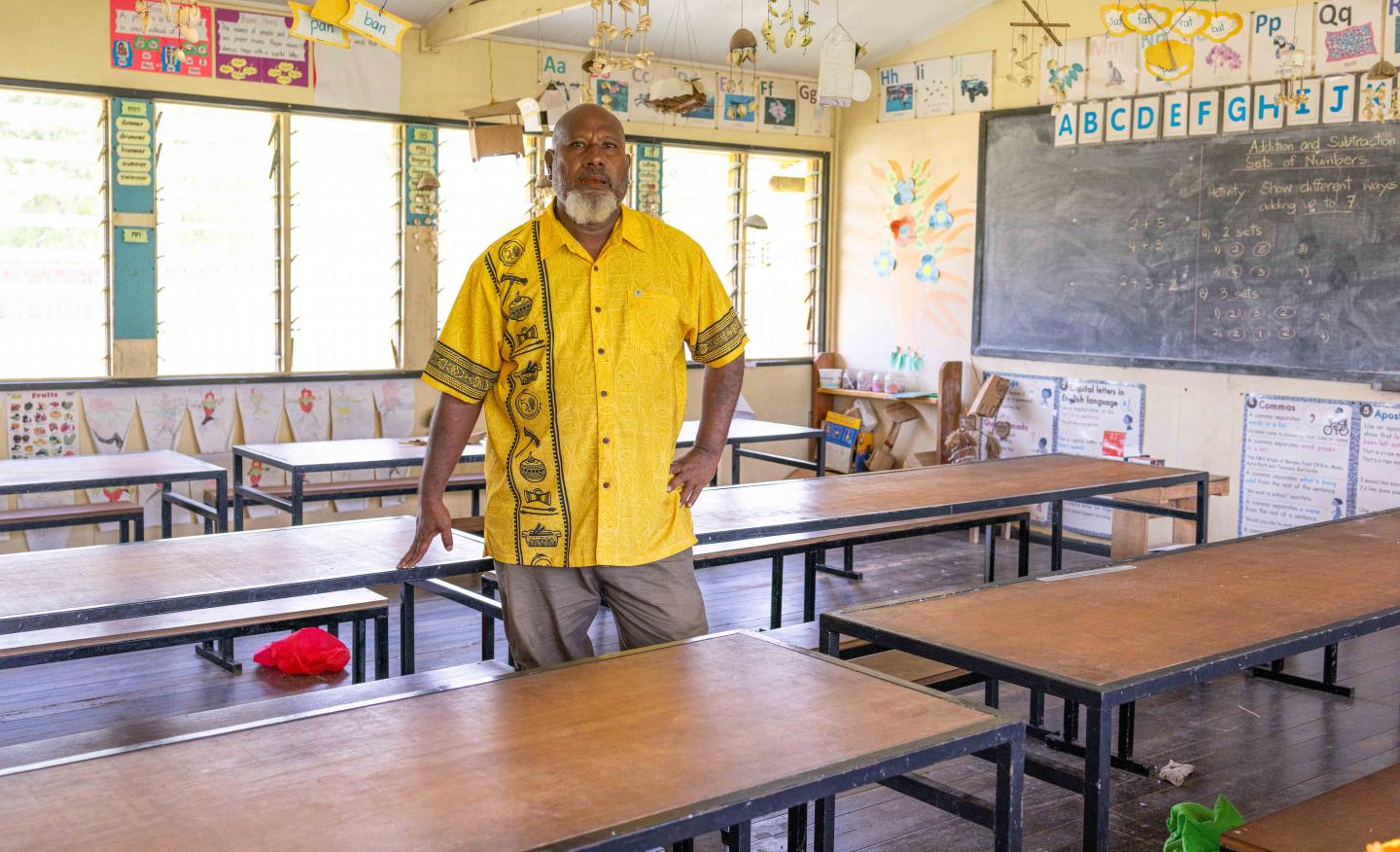
Established in 1997, Kupiano Elementry School has journeyed through years of change, resilience, and growth. From its original site across the station, the school relocated in 2014 to its current location, marking a new chapter built on vision and determination.
The school’s development followed a carefully designed school site plan, created by former administrators and community leaders. Yet despite this progress, one critical need remained unmet.
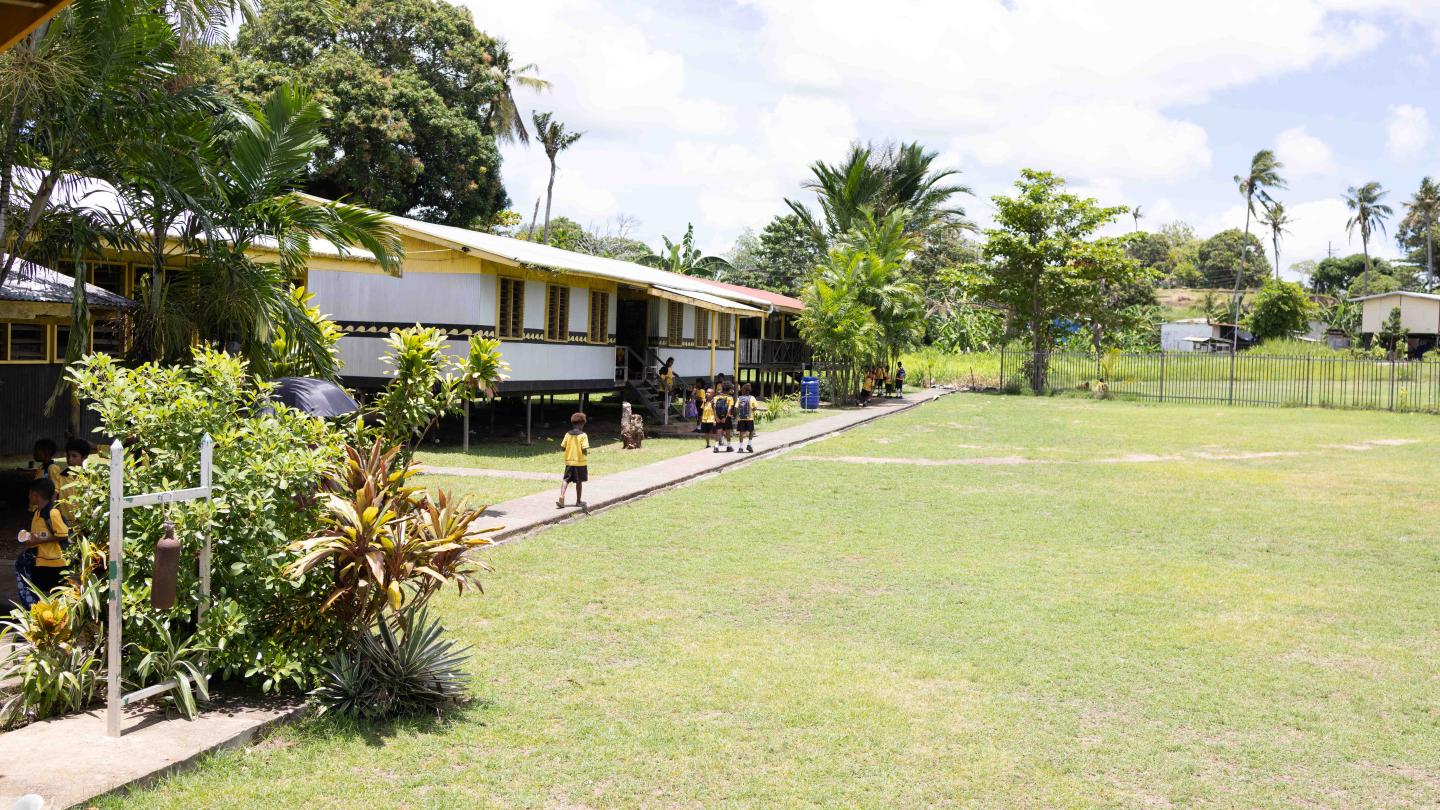
For years, students at Kupiano Elementry School learned without proper desks and chairs, an issue that affected comfort, focus, and dignity in the classroom
“This was something we were really dreaming of,” Mr. Kwalimu explains.
“Something we really wanted to have.”
Students often sat on the ground to write and learn. It was a dream the school held onto, hoping one day it would become a reality.
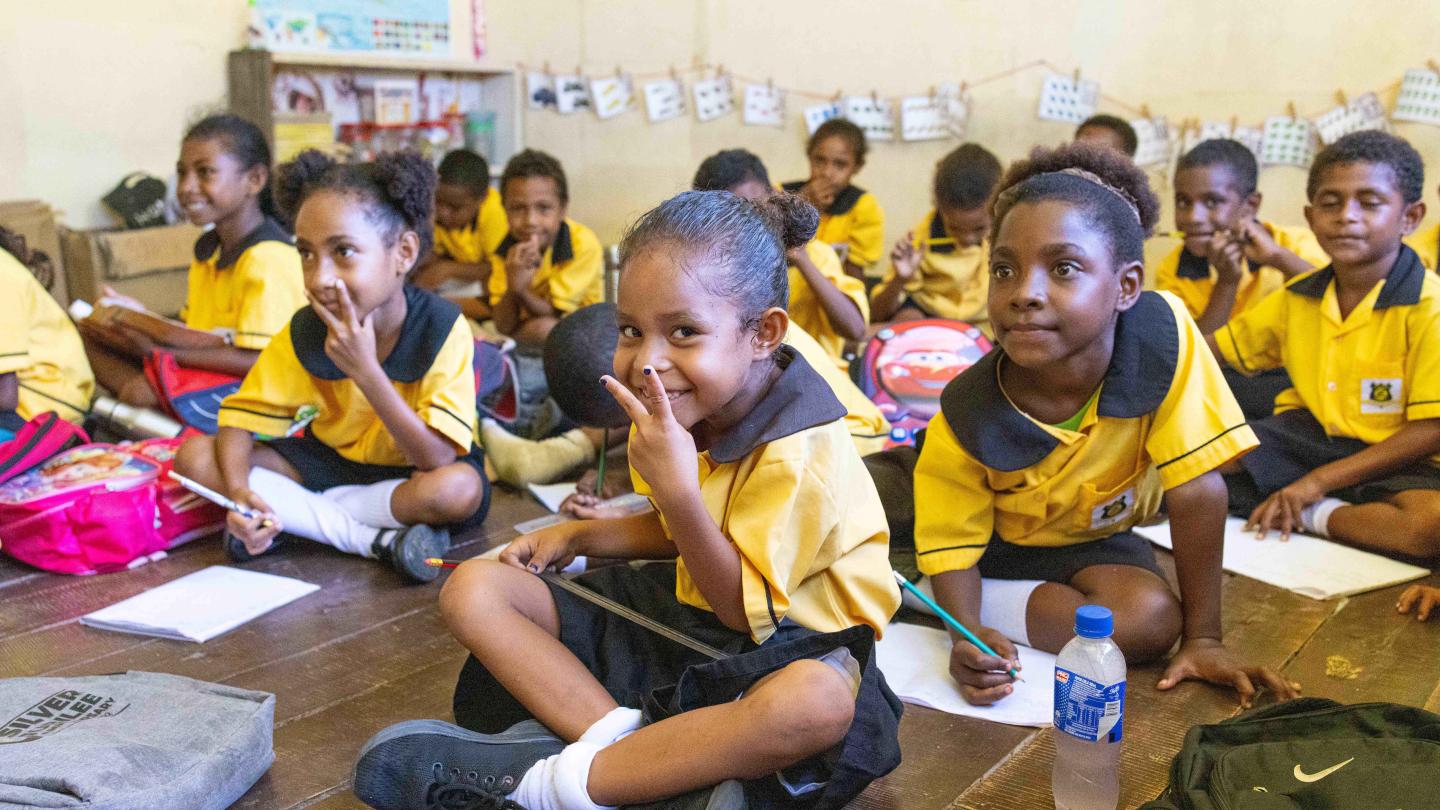
That day came with the arrival of the PIE.
Through the PIE and AQEFA funding, Kupiano Elementry School became one of the schools in Abau District selected for support. When the funding arrived mid‑year, the school leadership made a deliberate choice, to invest where it would make the greatest difference: creating a better learning environment for students.
Rather than outsourcing the work, the school adopted a community‑driven approach.
“We engaged our expert parents to build the tables for us,” Mr. Kwalimu shares.
Using local skills ensured quality and ownership, while strengthening community pride. The impact was immediate and visible.
New student tables and chairs were built, starting with Grade 1 and Grade 2 classrooms.
For the first time, students had proper furniture to sit, write, and learn with confidence.
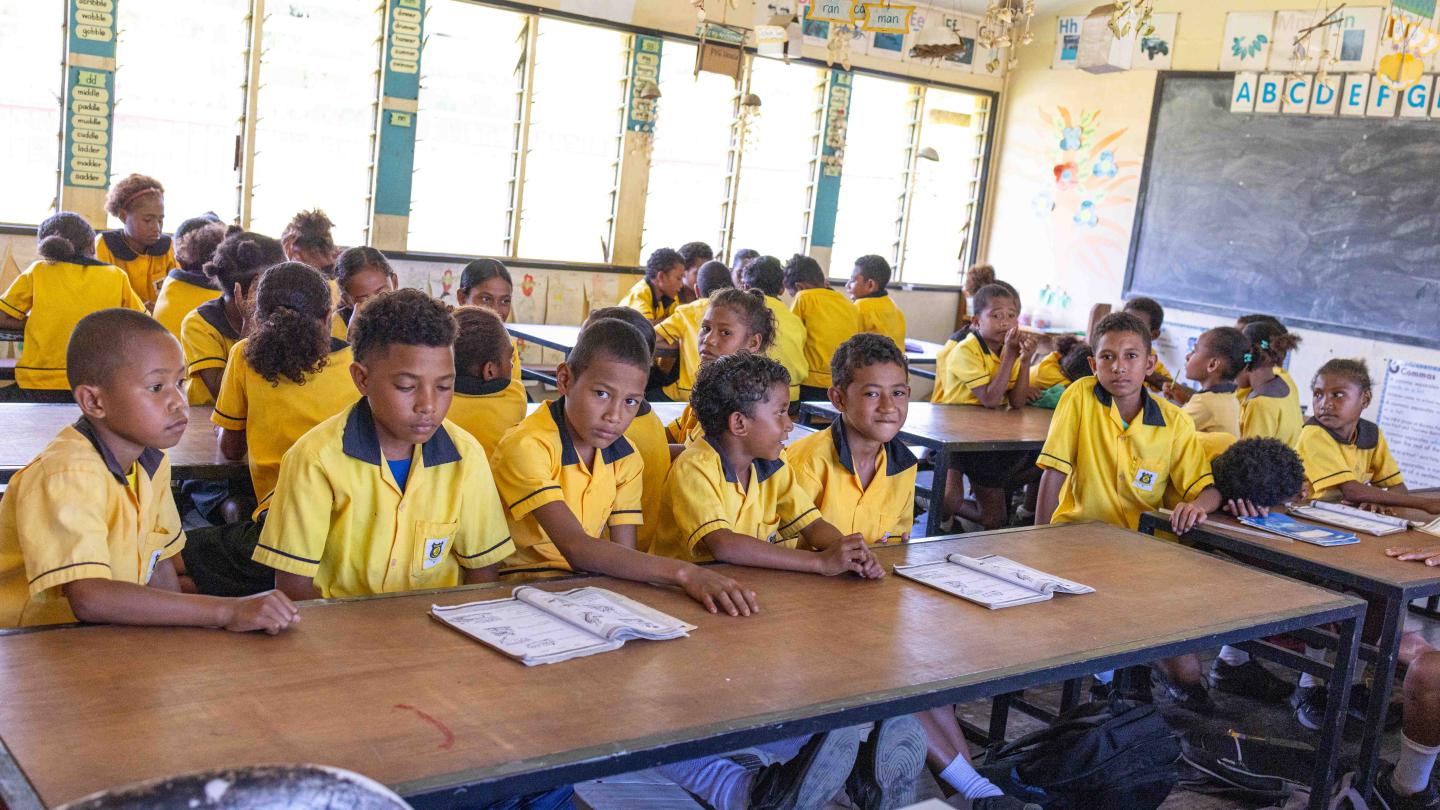
“This is something we had never achieved before,” Mr. Kwalimu says.
“Through PIE, we are beginning to see real progress.”
Kupiano Elementry School’s story reflects a broader transformation taking place across Abau District.
Many schools in Abau District previously operated without adequate facilities. Students sat on the ground, learned under trees, or attended classes without access to clean water or proper toilets, conditions that were especially challenging for adolescent girls.
With support from PNG and Australian Governments through the PIE program has supported schools in Abau District with desks and tables, improved classrooms, gender‑sensitive toilets and access to safe drinking water.
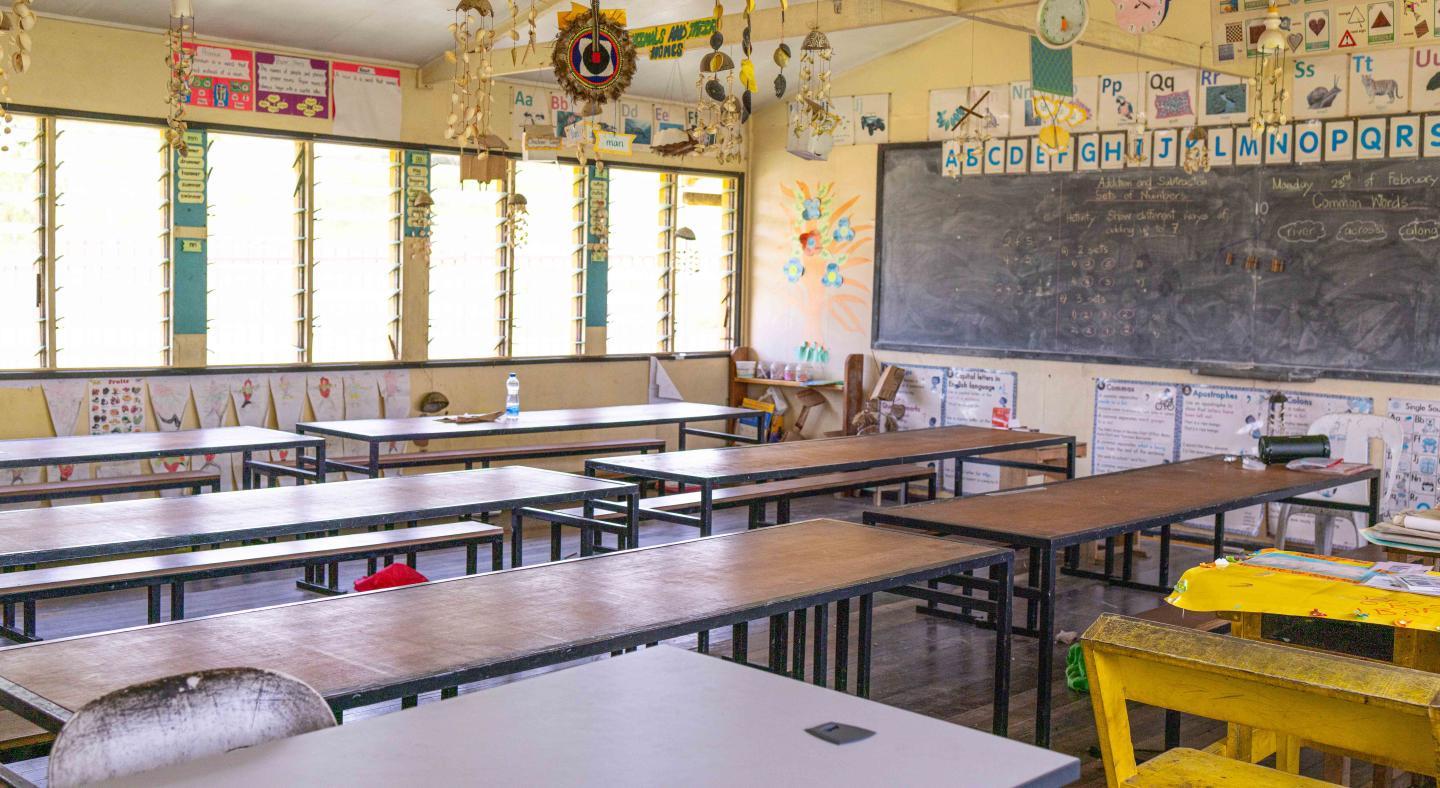
These improvements have transformed schools into safer, healthier, and more dignified learning environments, directly supporting student wellbeing and participation.
As a result, schools are reporting improved student attendance, increased student engagement and better retention, particularly among girls.
At the heart of the PIE Program is a strong belief: quality education begins with empowered teachers.
In Abau District, teachers have participated in literacy and numeracy training, strengthening their skills in lesson planning, classroom delivery, and student engagement.
PIE’s approach goes beyond training alone. Dedicated monitoring teams regularly visit schools to observe classroom lessons, review school checklists with teachers and provide ongoing coaching and feedback.
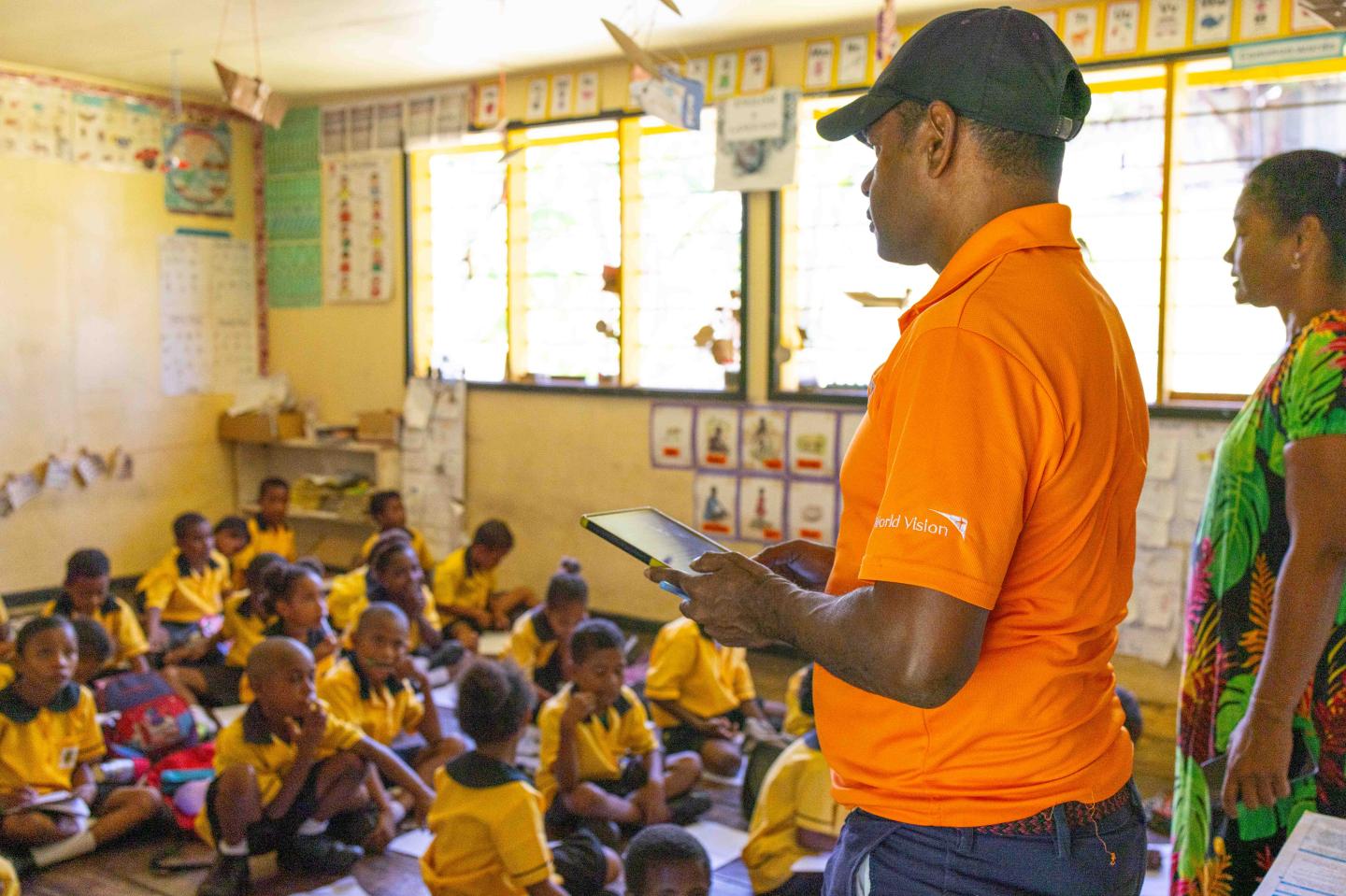
This ensures that training translates into real classroom practice. Teachers are now more confident, lessons are more interactive, and students are more actively involved in learning.
Inclusive education is also a core focus. Through training and AQEFA support, teachers are better equipped to manage diverse classrooms, support students with disabilities and create inclusive learning environments to ensure no child is left behind.
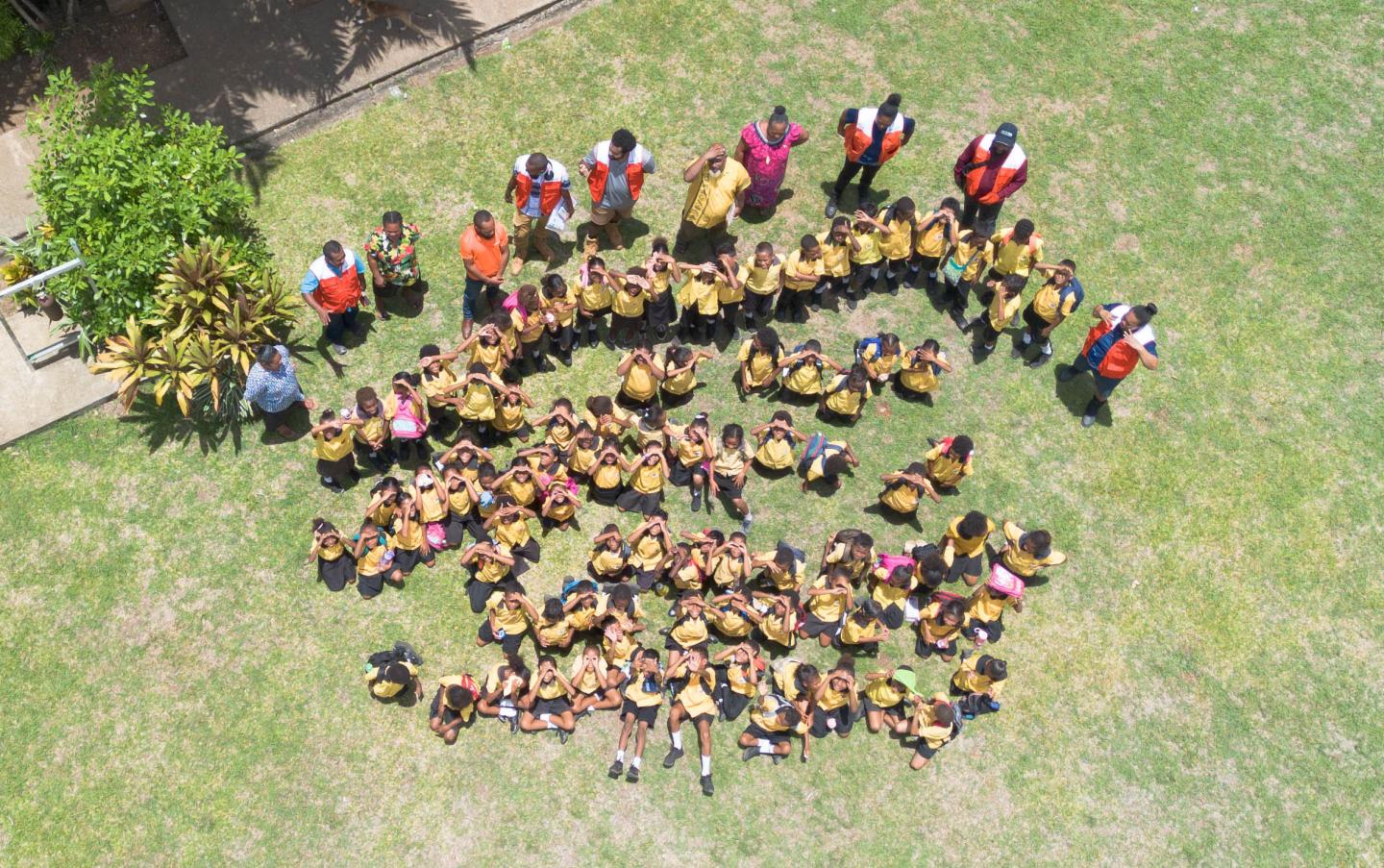
“PIE has contributed a lot towards this school,” Mr. Kwalimu says with gratitude.
“Through their program, we have seen progress.”
What was once only a dream, students sitting on proper desks and chairs is now a daily reality.
“A big thank you to the PIE. Through your support, we are achieving things we never thought possible.”
The story of Kupiano Elementry School is a testament to how targeted support, community involvement, and the PIE Program’s commitment can turn long‑held dreams into tangible impact.
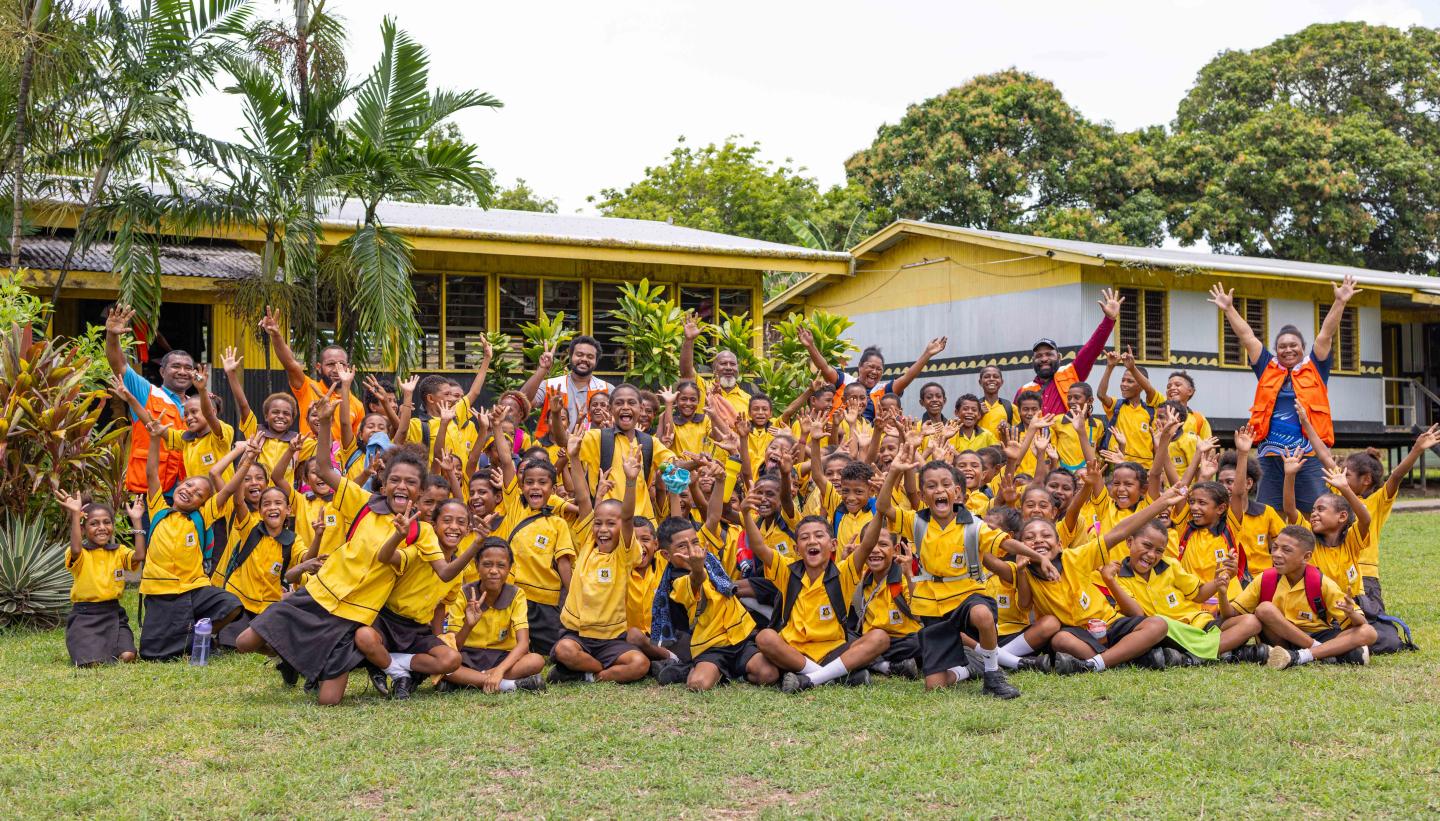
Across Abau District, where distance and hardship once limited opportunity, the PIE is reshaping the education landscape, strengthening teachers, improving classrooms, and supporting inclusive learning.
Where challenges once defined the story, the PIE Program is helping write a new one, of quality learning, opportunity, and renewed hope for children, teachers, and communities across Abau District.