
Growing Change Through Floriculture in Nasuapum

William Zanekgo, a proud father of two from Nasuapum Community, has long carried a deep passion for agriculture and community development. With a Bachelor’s degree in Agricultural Science, he began his professional journey working on the redevelopment of Nadzab Airport, where he contributed his skills in land plotting and landscaping design. His work there allowed him to apply his academic knowledge in a practical setting and build valuable experience. However, when the project came to an end, William found himself searching for a new path, one that would not only sustain his livelihood but also benefit his community.
His opportunity came through the Flower Power Project, implemented by World Vision in support with the European Union. William first learned about the project through World Vision awareness activities and discussions within his community, where its goal of improving livelihoods through floriculture was introduced. Inspired by the initiative and the opportunities it presented for local farmers, he decided to get involved, bringing with him valuable technical expertise and a strong commitment to community development. Today, he serves as the lead florist in Nasuapum Community, mentoring fellow participants and helping guide the project's growth and success.
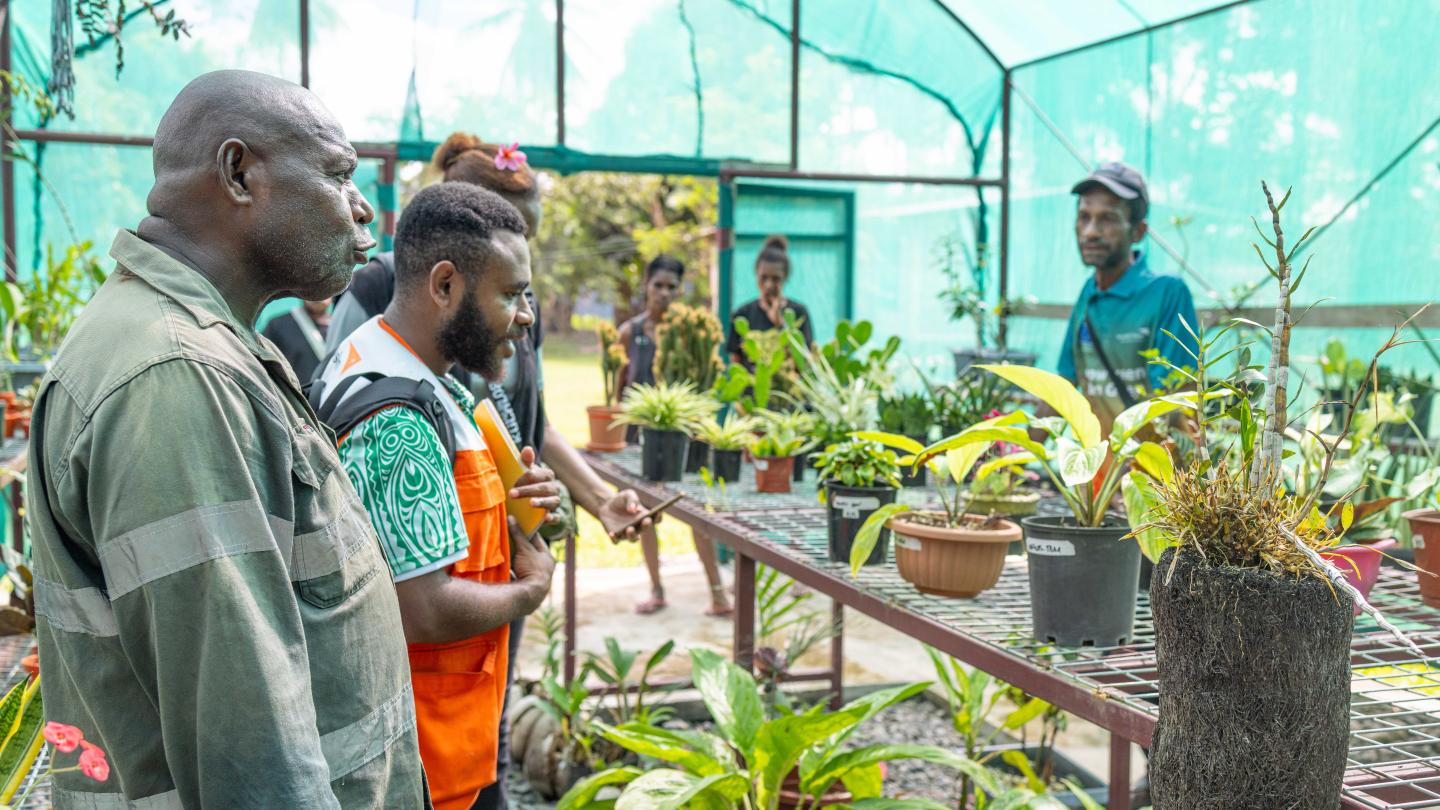
William’s leadership journey was not one he took alone. Alongside his wife, he became one of the first in the community to explore floriculture as a business opportunity. At the time, selling flowers particularly at roadside markets, was not a common practice in Nasuapum. Together, they took a bold step, participating in training sessions, exhibitions, and meetings to expand their knowledge of flower arrangement, plant identification, and marketing strategies.
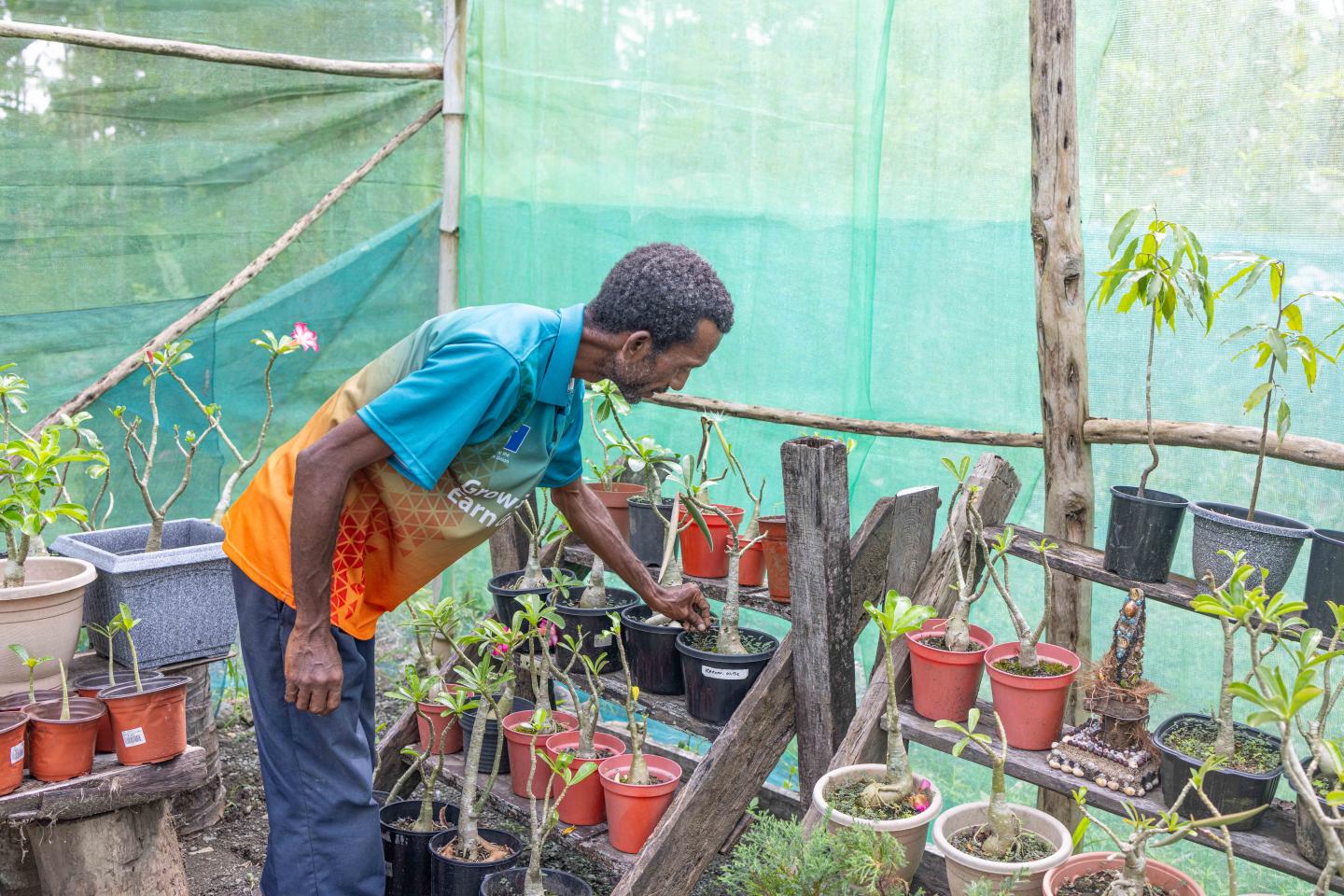
Their dedication quickly set them apart. As they shared their skills and demonstrated successful practices, the community began to take notice. Their combined expertise and confidence inspired others, and soon, they were recognized as leaders in the field. This recognition led to William being entrusted with the responsibility of leading the floriculture group.
As the Flower Power Project gained momentum, many women in the community expressed strong interest in joining. William played a key role in facilitating their participation by conducting hands-on training sessions, particularly focused on soil management and plant care, foundational skills essential for success in floriculture.
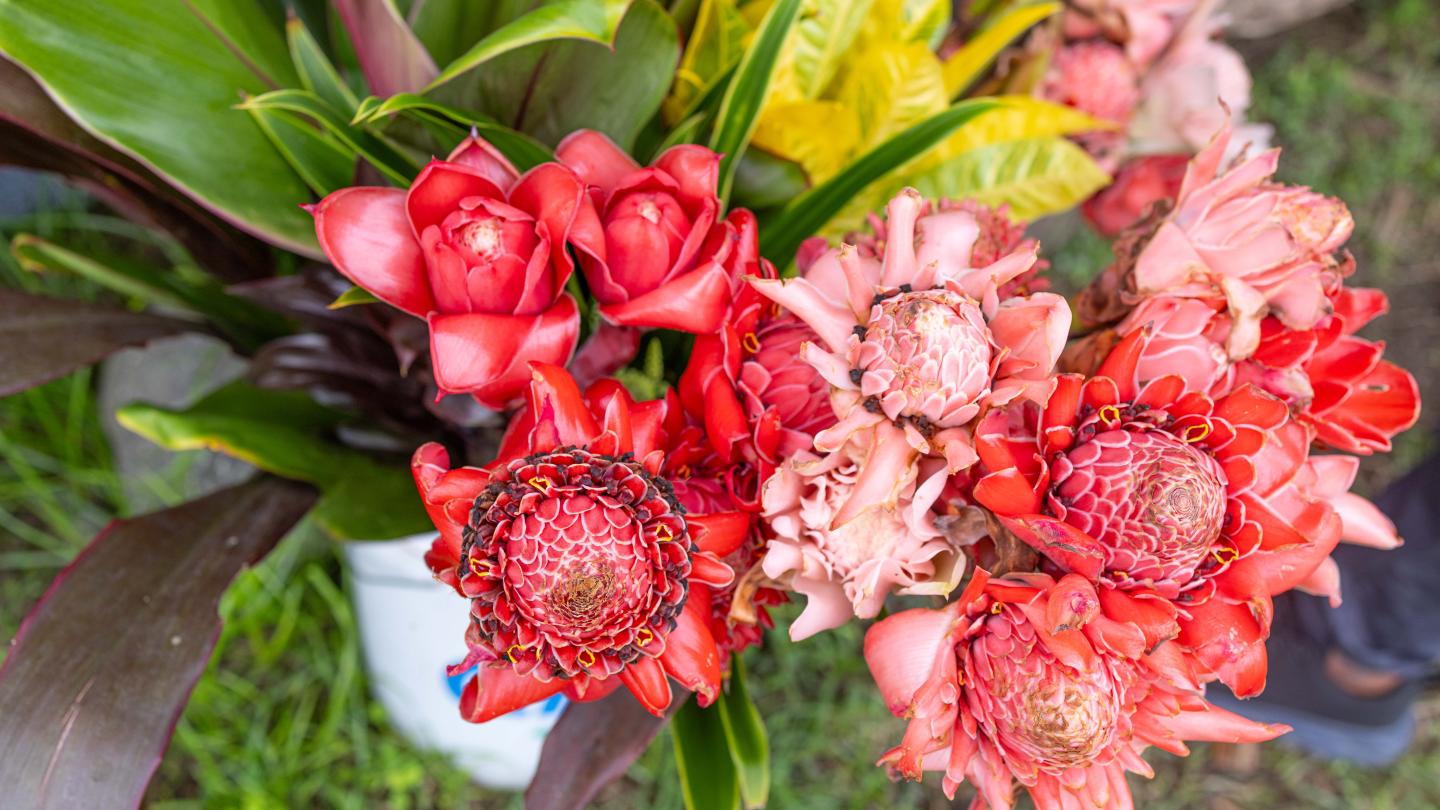
Importantly, William emphasized inclusivity. He ensured that individuals with special needs were not left behind by adapting tasks to suit their abilities. For example, while heavier tasks like planting heliconias can be physically demanding, he guided some participants toward lighter, more manageable activities such as caring for orchids. This approach not only empowered individuals but also created a sense of belonging for everyone involved.
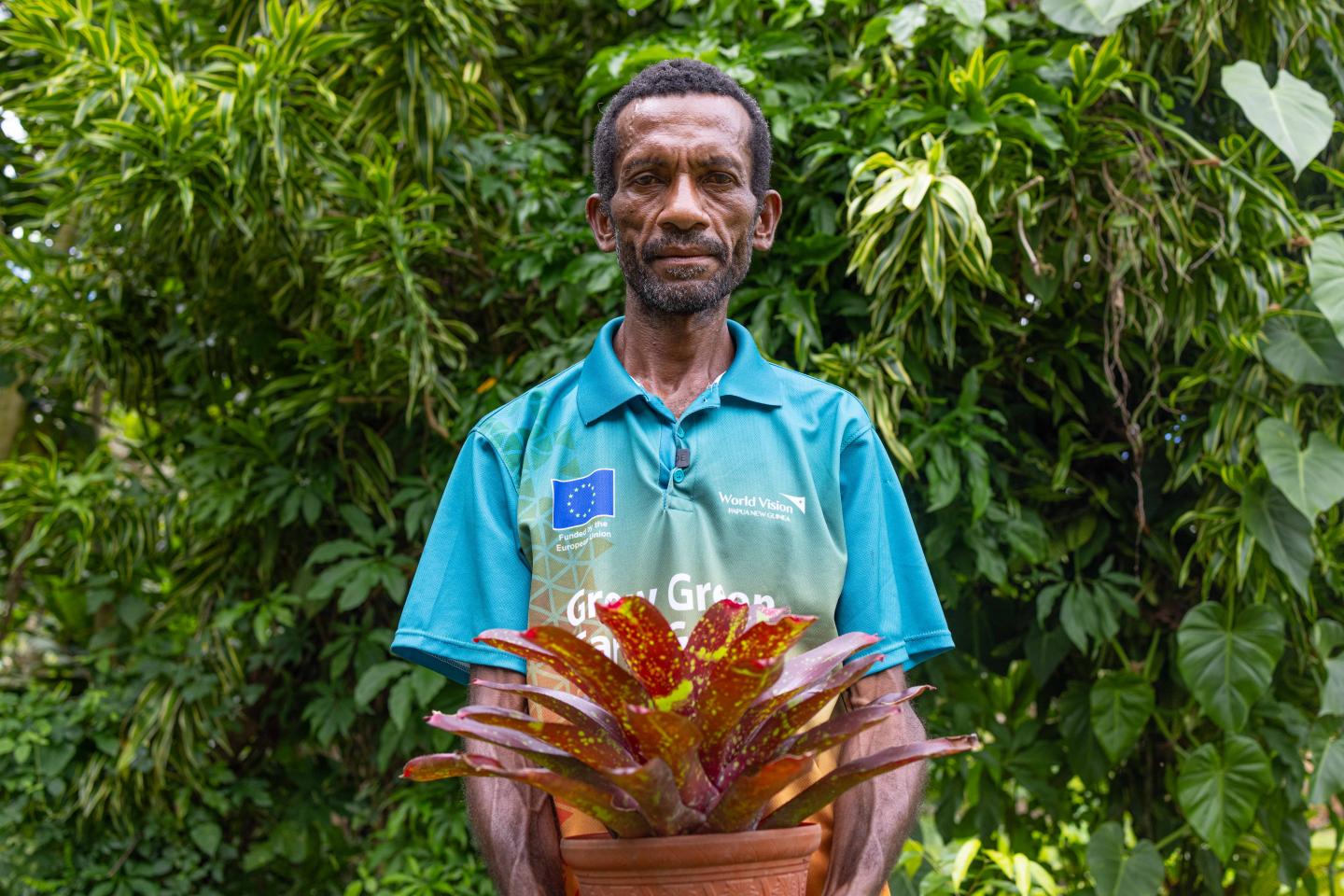
The growth and success of the project have been strongly supported by World Vision’s training and capacity-building efforts. According to William, one of the organization’s greatest strengths lies in its transparency, accountability, and holistic approach to development.
Beyond technical training, World Vision has introduced awareness programs that address important social issues, including gender equality and gender-based violence. These sessions have challenged mindsets and encouraged communities to create safer, more supportive environments for all members.
“Before joining the Flower Power Project trainings, I did not have strong leadership skills. Through the training and support provided, I have grown in confidence and developed the ability to lead others. Today, I feel empowered to guide fellow floriculture producers and help manage activities within our community.” Says William.
The Flower Power Project is built on a collaborative model that brings together floriculture producers who grow and manage flower production, Impact Clubs encouraged young people to make positive behaviour changes in their communities using impact plus curriculum model, while Savings for Transformation (S4T) groups promoted a culture of saving. Together, these initiatives created sustainable approaches to improving livelihoods.
Within this system, floriculture groups identify their needs such as access to markets or infrastructure, while youth groups play a vital role in addressing these challenges. Income generated from flower sales is reinvested through S4T, ensuring that financial benefits circulate within the community and support long term sustainability.
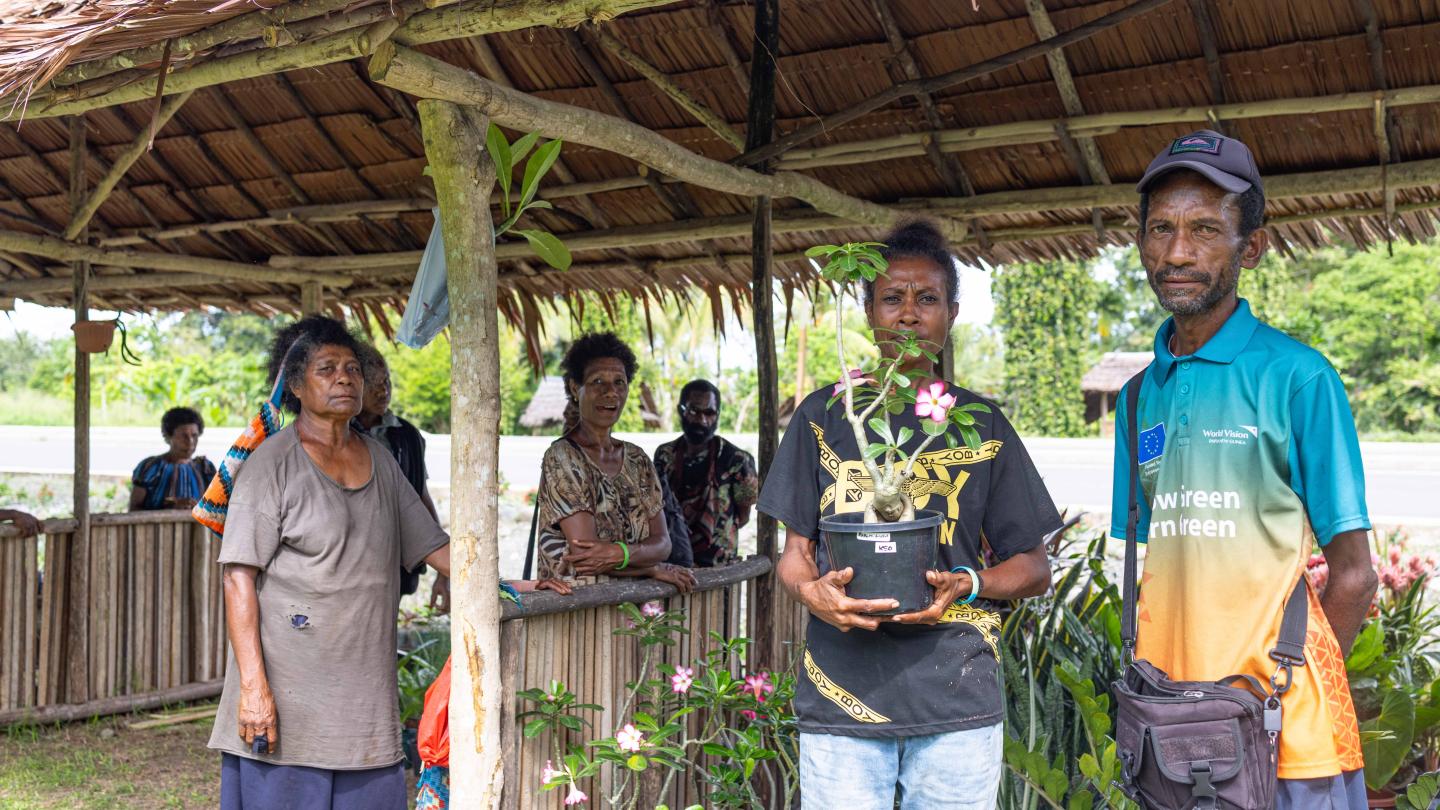
Since the project initial implementation visible progress has already been made. Initially, flowers were sold at roadside markets, often with limited reach and inconsistent income. Today, the community has transitioned toward an order-based sales system, allowing for better planning, pricing, and efficiency.
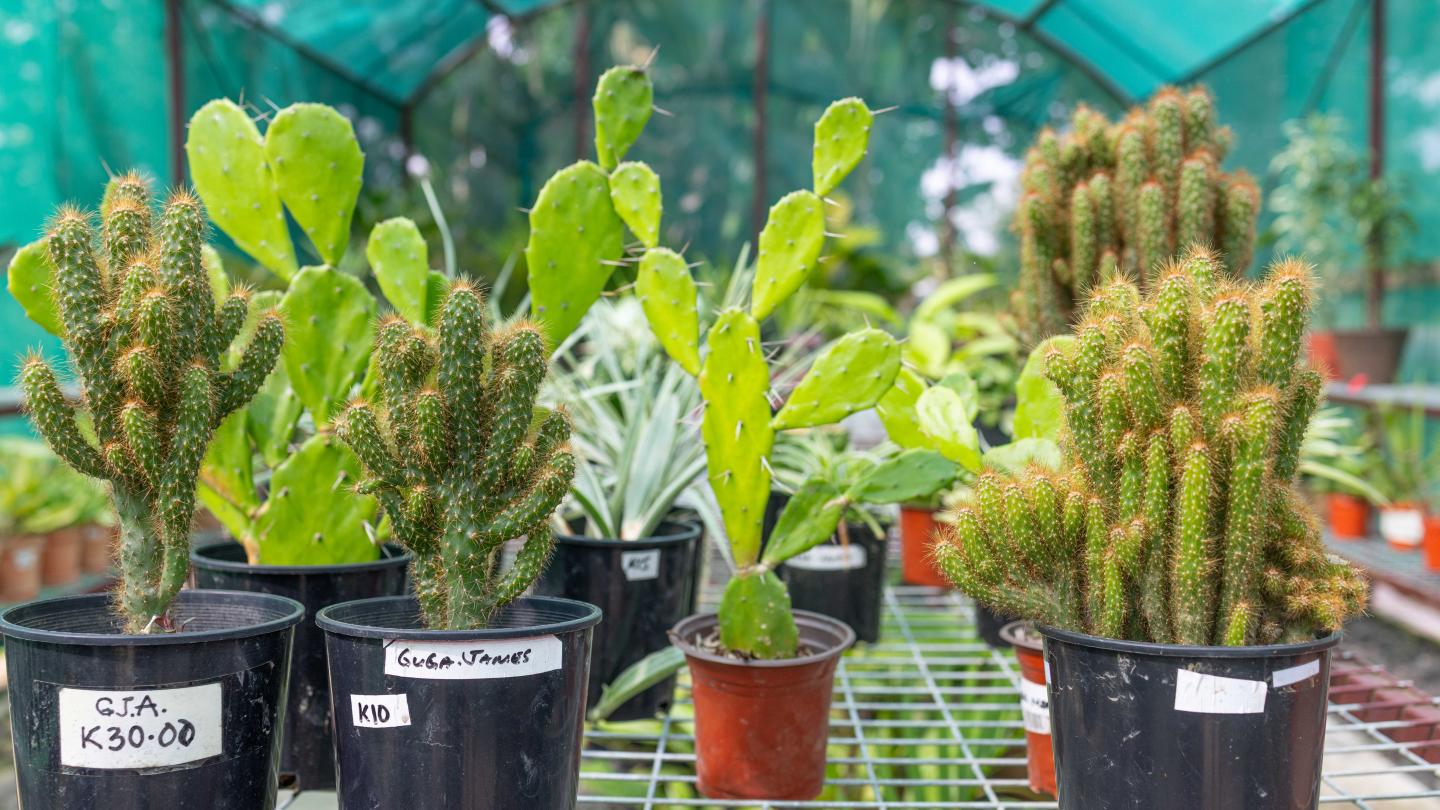
The establishment of a greenhouse has also been a significant milestone. It serves as a central hub where flowers arepropagated and displayed More importantly, it has become a learning space where community members can exchange ideas, ask questions, and strengthen their knowledge.
Despite these advancements, challenges remain. One of the main issues is the seasonal nature of demand for flowers, which can lead to inconsistent income. William believes that securing regular clients and customers who place consistent weekly or monthly orders, will be essential for stabilizing earnings and ensuring reliable livelihood opportunities, particularly for women who depend on this income.
One of the most profound impacts of the project is the shift in mindset within the community. What was once regarded as a simple hobby is now increasingly seen as a legitimate source of income and a valuable skill.
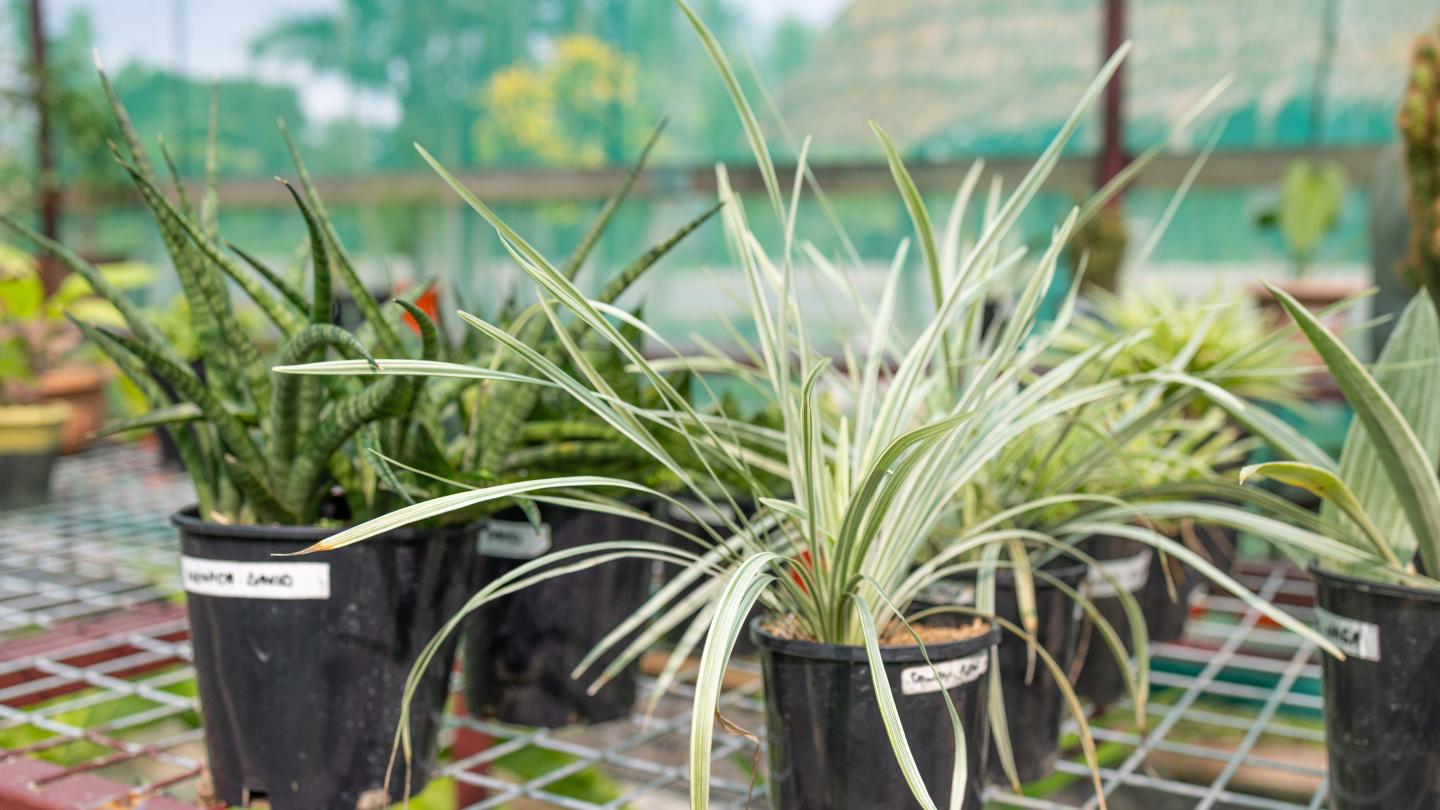
Through training, community members are learning essential practices such as proper potting techniques, soil mixing, and plant care using climate smart practices. This knowledge are helping them avoid common mistakes and improve the quality and lifespan of their plants.
The project is also raising awareness about environmental sustainability.
“Every plant we grow contributes to the air we breathe,” William explains. “This work is not only for income, it is also for the environment.”
The influence of the project extends beyond current participants. It has become a source of inspiration for young people in the community. Many youths are now joining the initiative, motivated by the success and dedication of older women who have been leading floriculture activities.
This intergenerational exchange of knowledge is strengthening the project’s foundation and ensuring its sustainability. Experienced women pass on their skills and experiences, while young people bring energy, innovation, and support in addressing challenges.
Like many community leaders, William faces the challenge of balancing his professional responsibilities with family life. There are times when floriculture activities require him to be away from home, but he remains committed to ensuring that his family benefits from the income generated.
He also navigates competing priorities, sometimes needing to step away from other responsibilities to focus on floriculture. Despite these challenges, he remains flexible and dedicated, driven by his vision of creating lasting opportunities for his family and community.
After nearly a year of involvement in the Flower Power Project, William remains optimistic about its future. He believes that with stronger market connections, consistent customers, and continued training, the project has the potential to significantly improve livelihoods in Nasuapum.
He concludes with heartfelt gratitude: “Thank you to the European Union and World Vision. Nasuapum is a place where floriculture has always had potential, and you have recognized that. Your support, your training, and your dedication, these are making a real difference in our lives.”