
From Illness to Recovery: Ray's Journey of Hope and Transformation

Illness often arrives quietly, gradually changing daily life before its full impact is understood. For Ray Carter, a young man from Western Province with dreams of education, sport, and supporting his family, that quiet disruption marked the beginning of a powerful journey of resilience, recovery, and renewed hope.
Ray was raised between cultures and provinces. His father comes from Samari and Popodeta in Oro Province, while his mother is from Boze, in the Binotori area of Western Province. Growing up, Ray learned important lessons from his family, about responsibility, faith, and perseverance.
“I was taught from a young age that education and hard work are the keys to a better future,” Ray says. “Nothing comes easy unless you are willing to work for it.”
As a student at Daru Secondary School, Ray carried big ambitions. He hoped to complete his studies and one day contribute meaningfully to his family and community. Education meant opportunity, not only for himself, but for his loved ones as well. Alongside school, Ray lived an active life and was well known in his community for his involvement in sport. Rugby league, in particular, shaped his confidence and discipline.
“Rugby made me strong and focused,” says Ray. “It kept me motivated and gave me something positive to work towards.”
However, while playing in the Daru Rugby League Competition, Ray began to experience persistent pain in his hips. At first, he dismissed it as a typical sports injury.
“I thought it was just a muscle problem from playing rugby,” he explains.
Over time, the pain worsened and was joined by growing weakness. His energy declined, and his performance on the field changed noticeably.
“My teammates started telling me, ‘You don’t play like before. You look sick,’” Ray remembers.
Life in Ray’s village had always required physical strength and endurance. Families depended on daily work in gardens, fishing grounds, and surrounding bushlands. Food was available, but survival depended on effort. During school holidays especially at Christmas, Ray returned home to support his parents with gardening and household chores. “Helping my parents was my responsibility,” he says. “That was how we prepared for school fees and daily needs.”
As his illness progressed, Ray found himself unable to fulfill these responsibilities. “I couldn’t cut grass, carry water containers, or lift heavy things anymore,” he explains. The loss of strength affected not only Ray physically, but emotionally as well.
“It was hard because I was used to helping others. Suddenly, I needed help myself.”
Fear slowly crept in as Ray realised something serious was happening. Although he had heard of tuberculosis before, he never imagined he would be affected. When he eventually went for testing and received his diagnosis, the news was devastating.
“When they told me I was TB positive, I felt scared and ashamed,” Ray admits. “I worried about my future and what people would think of me.”
In those moments of uncertainty, Ray found strength in his faith. “I told myself that God is the first doctor,” he says. “I trusted God, and I trusted the medicine.” Rather than allowing fear to take control, Ray made a conscious decision to seek treatment and believe in recovery.
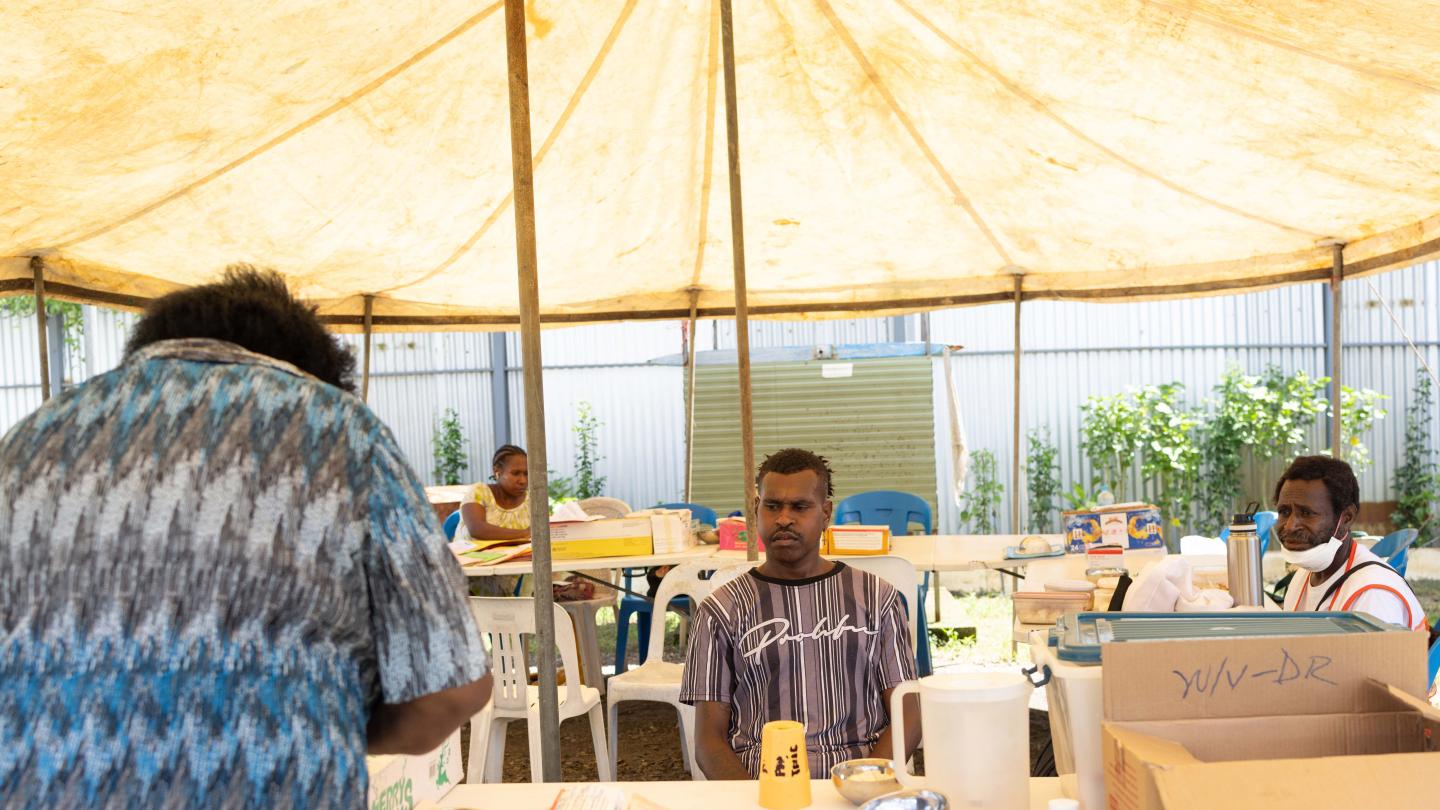
Support during this vulnerable time became the turning point in his journey. One of Ray’s brothers, a trained TB treatment supporter in the village, recognised the seriousness of his condition and encouraged him to seek care early.
“I admitted myself honestly instead of hiding,” Ray shares. “That helped me start treatment and move forward.”
Through the services delivered by World Vision, in partnership with the Western Provincial Health Authority, through support from the PNG and Australian Government Partnership. The trained treatment supporters were embedded within communities, conducting TB awareness, reducing stigma, and ensuring that patients could access care close to home.
“What really stood out for me was that I felt respected throughout my treatment,” Ray says. “World Vision and the treatment supporters helped me without judging me.”
The support extended beyond medication. Ray received daily meals, emotional encouragement, and monthly food vouchers to support his basic needs.
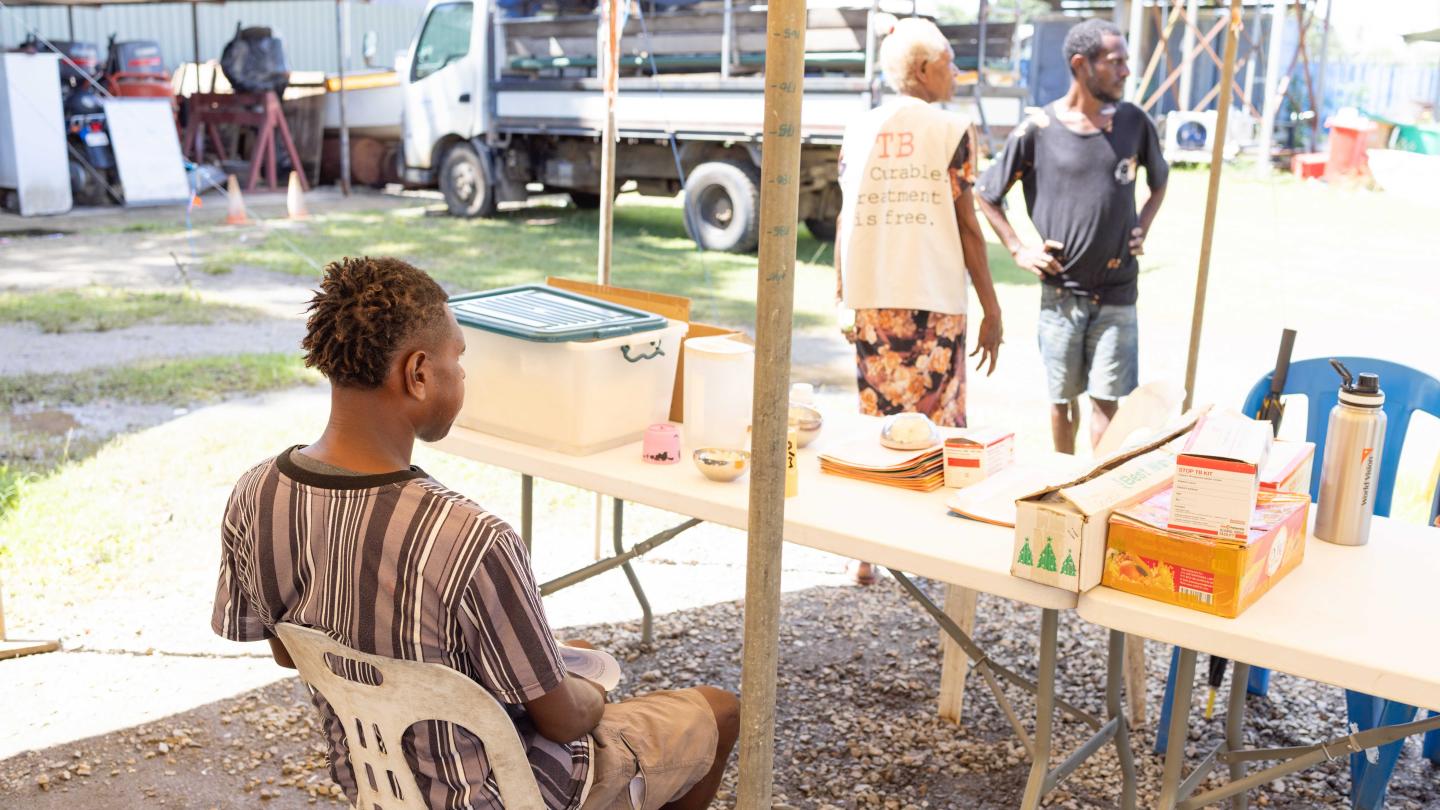
“The vouchers helped me provide food for the family I was staying with,” he explains. “Some of them were not working, so this support made a big difference.”
The treatment journey was not easy. Taking medication daily required discipline and commitment, especially when energy was low. “The treatment supporters always reminded me not to miss my medicine and to avoid alcohol and smoking,” Ray recalls. “They encouraged me every day to stay strong and believe in the process.”
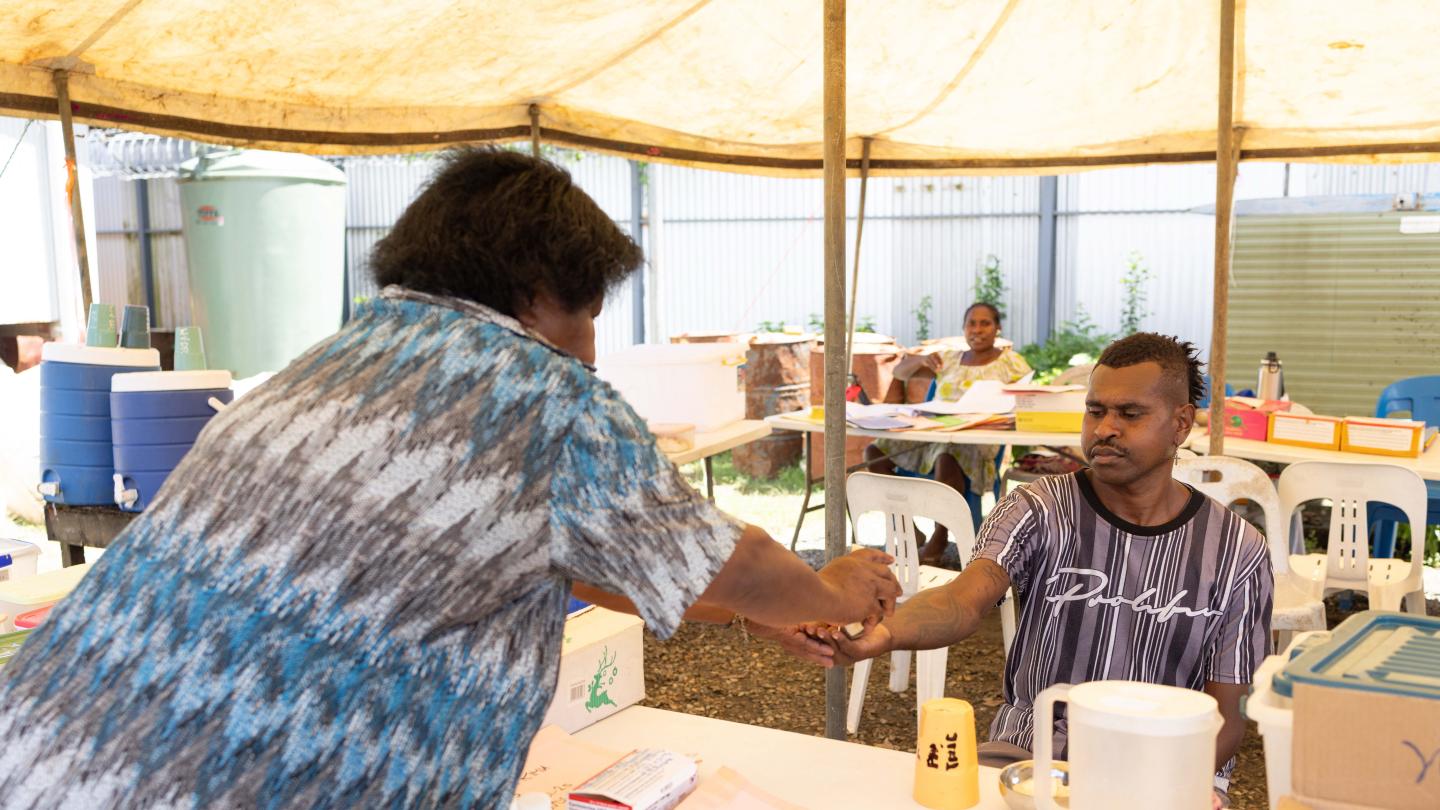
Over time, Ray began to see progress. His strength slowly returned, his appetite improved, and his confidence grew. “I could start doing small things again, cutting grass, washing clothes, helping around the house,” he says. “Those small achievements showed me that I was recovering.”
Access to healthcare remains a challenge in many rural communities like Boze. Aid posts are often under resourced, and transport to larger health facilities can be difficult and costly.
“Transport was one of the biggest challenges,” Ray explains. “Without support, I stayed sick in the village for many months.”
The presence of community-based treatment supporters helped bridge this gap, ensuring that TB services reached people who might otherwise be left behind.
Ray believes that increased awareness is changing attitudes toward TB in his community.
“TB is airborne,” he says. “If people don’t get treatment early, it can spread to families and the whole community.”
Through ongoing awareness sessions supported by World Vision and health authorities, more people are learning that TB is both preventable and curable. “People are starting to understand they should not fear testing,” Ray adds.
Now nearing the end of his treatment, Ray reflects on how far he has come. “I feel stronger and healthier now,” he says with confidence. Looking to the future, Ray hopes to return to school and continue his education. “Once my treatment is finished, I want to go back and complete my studies.”
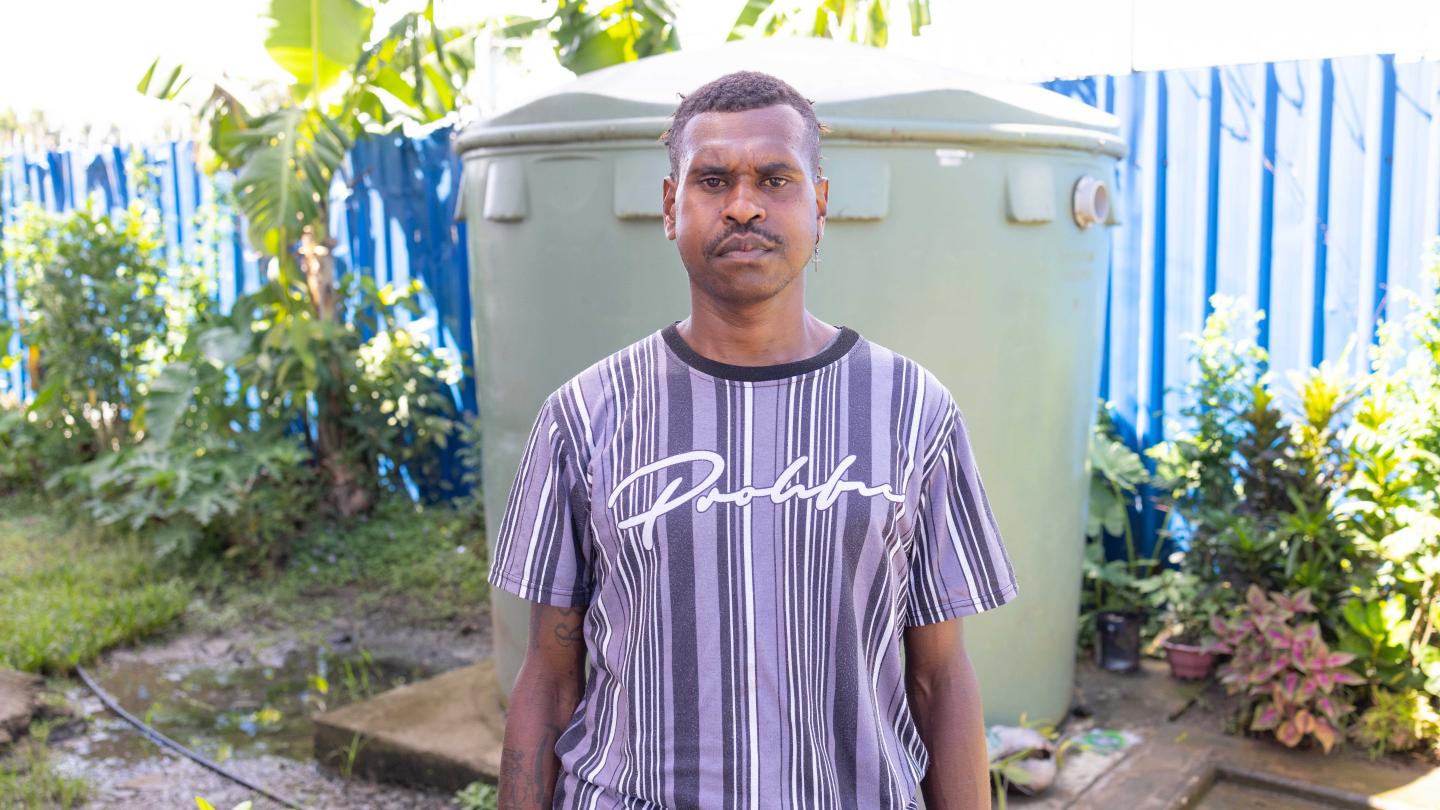
Ray also hopes his experience can encourage others who may be struggling with illness. “When you are sick, don’t hide,” he says. “Seek help early. TB can be cured if you follow the treatment.”
His message to others currently on treatment is simple but powerful: “Be disciplined. Take your medicine every day, on time. Avoid things that harm your body, and believe that recovery is possible.”
As he looks toward the future, Ray expresses deep gratitude to those who stood by him. “I want to thank World Vision, the treatment supporters, the Western Provincial Health Authority, and PNG and Australian Governments Partnership,” he says. “Because of your support, I am alive today. You gave me hope when I was at my weakest.”
Ray Carter’s journey is a story of transformation, from illness to recovery, from fear to faith. It is a powerful reminder that with strong partnerships, community-based care, and timely support, lives can be restored and futures rebuilt.