A Needle, Thread, and New Beginnings for Siwai Women

In Siwai District, Bougainville, menstruation is still a barrier that many girls and women quietly face. Limited access to affordable menstrual products, combined with stigma and lack of information often means girls miss school and women withdraw from daily and economic activities.
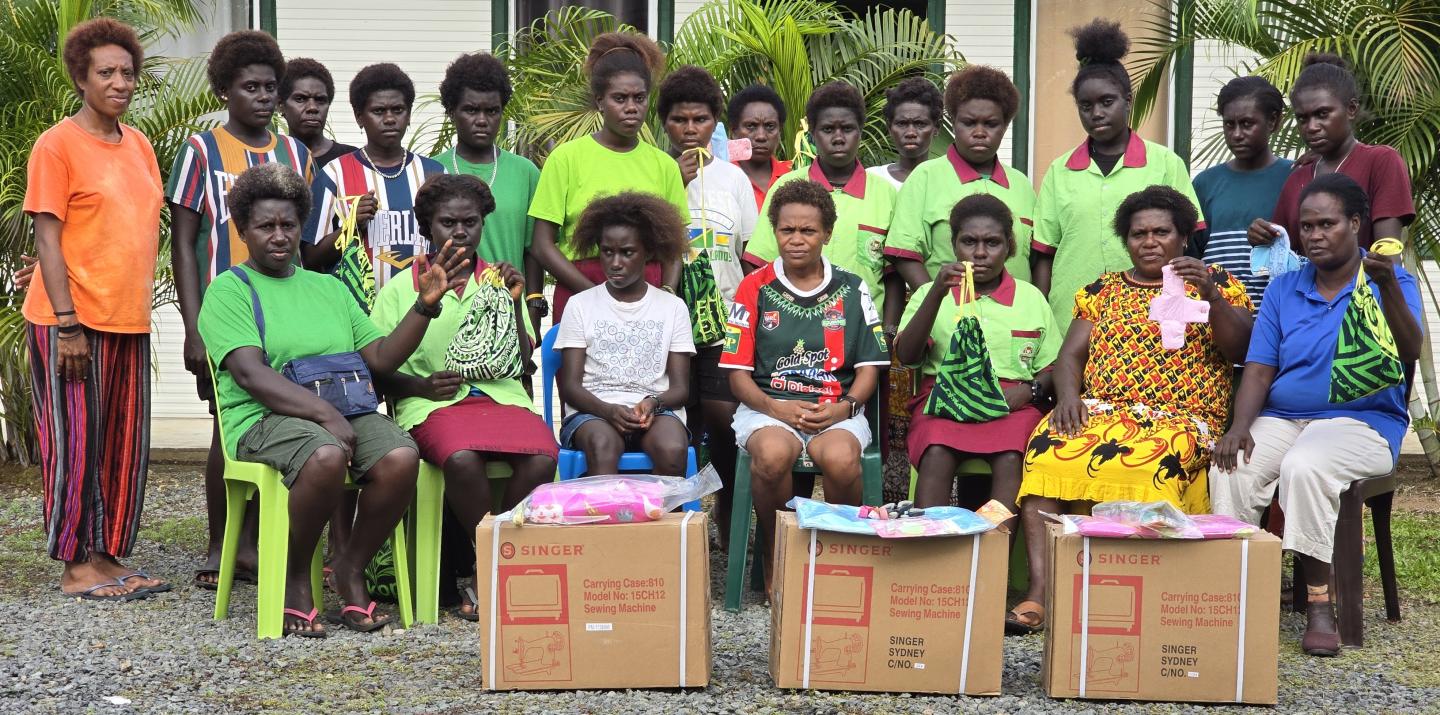
For Francynthia, a primary school student, this reality is all too familiar. But things are beginning to change.
“I am happy to be part of this training. Sewing these pads will help girls to wear them and participate in school activities, like playing sports,” she said.
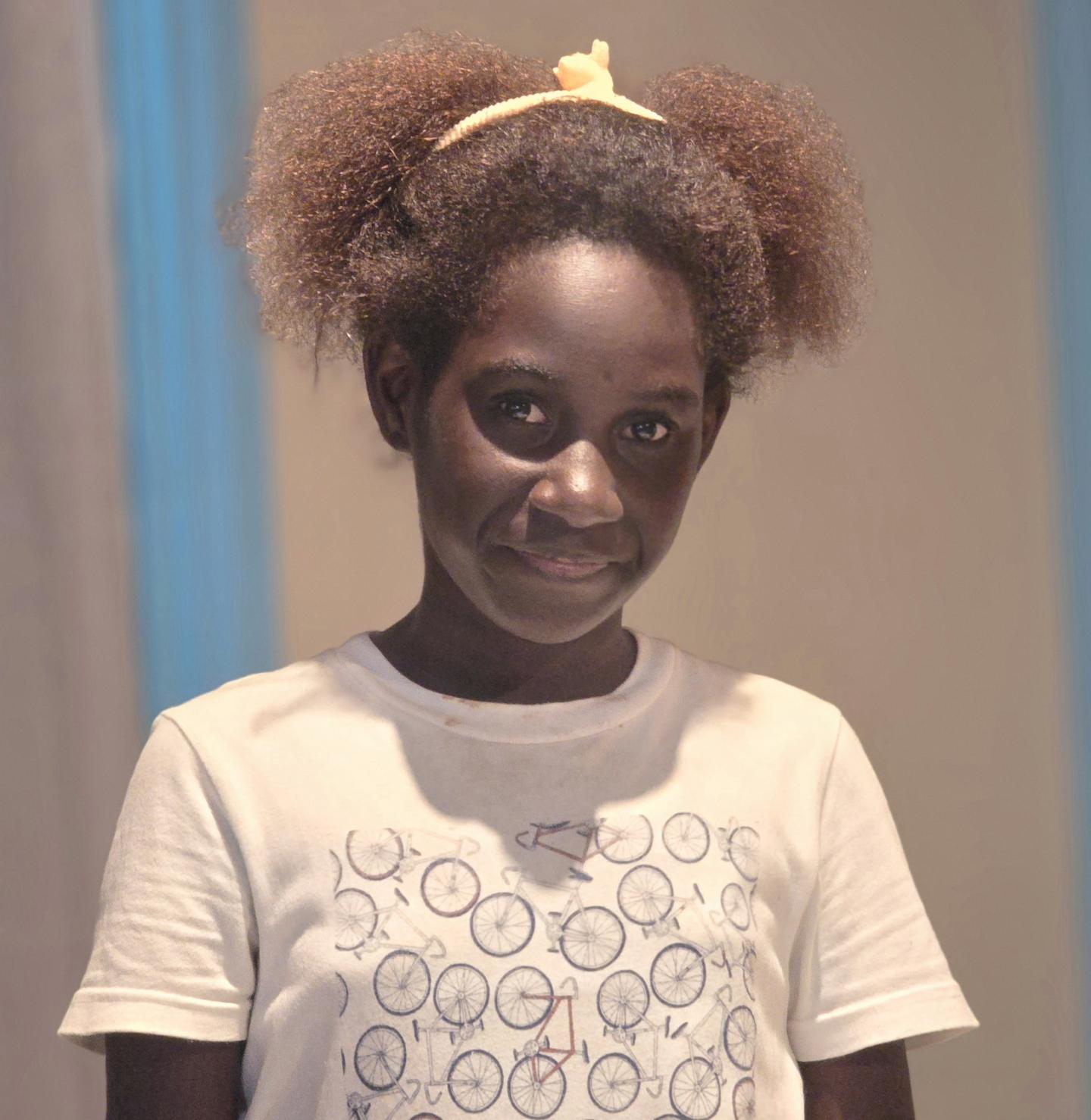
Francynthia was one of 22 participants who attended a two-day Menstrual Health Management (MHM) training in Siwai, facilitated by World Vision with support from the European Union. The group included students, teachers, and women from surrounding communities, all coming together to learn practical skills and open conversations that are often left unspoken.
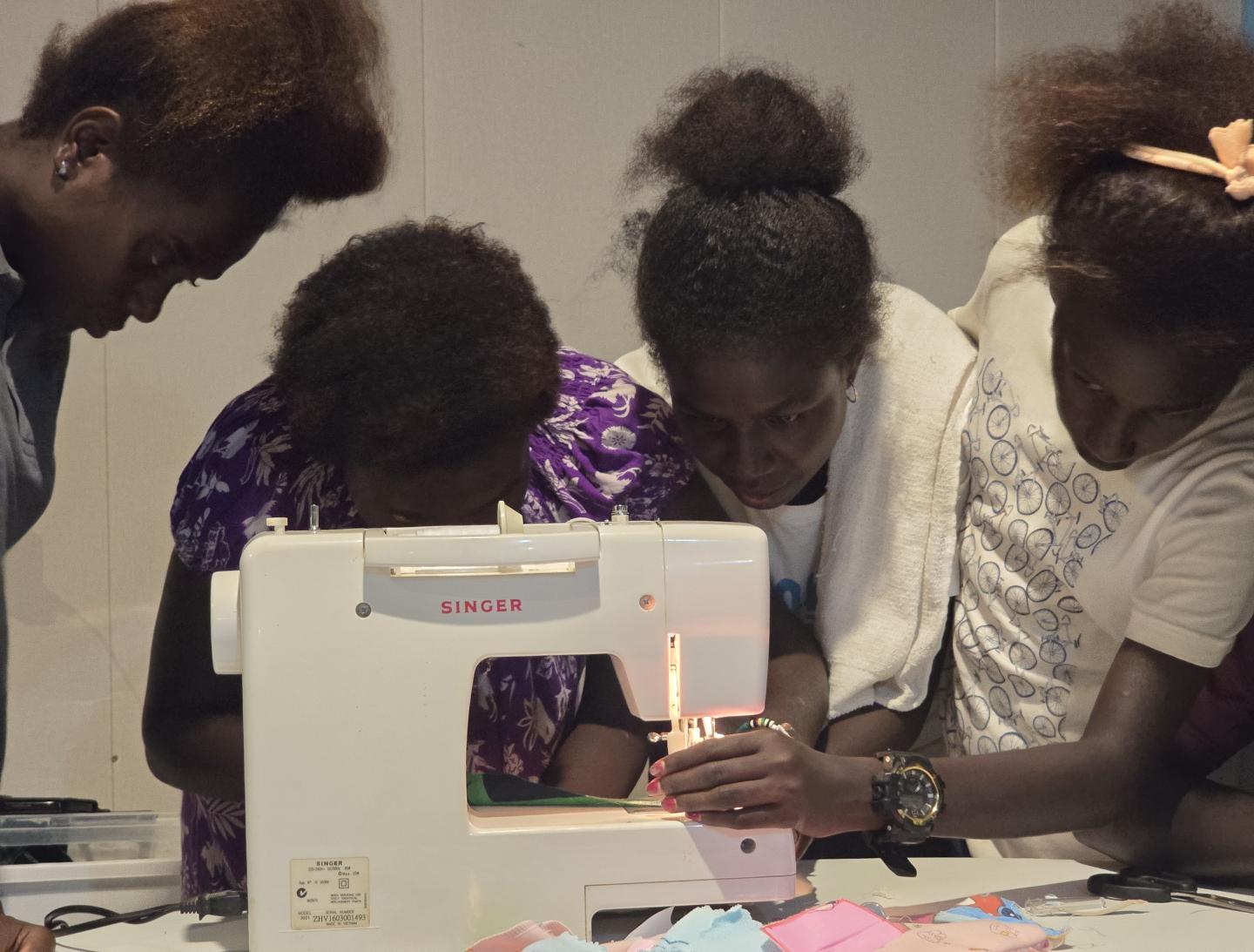
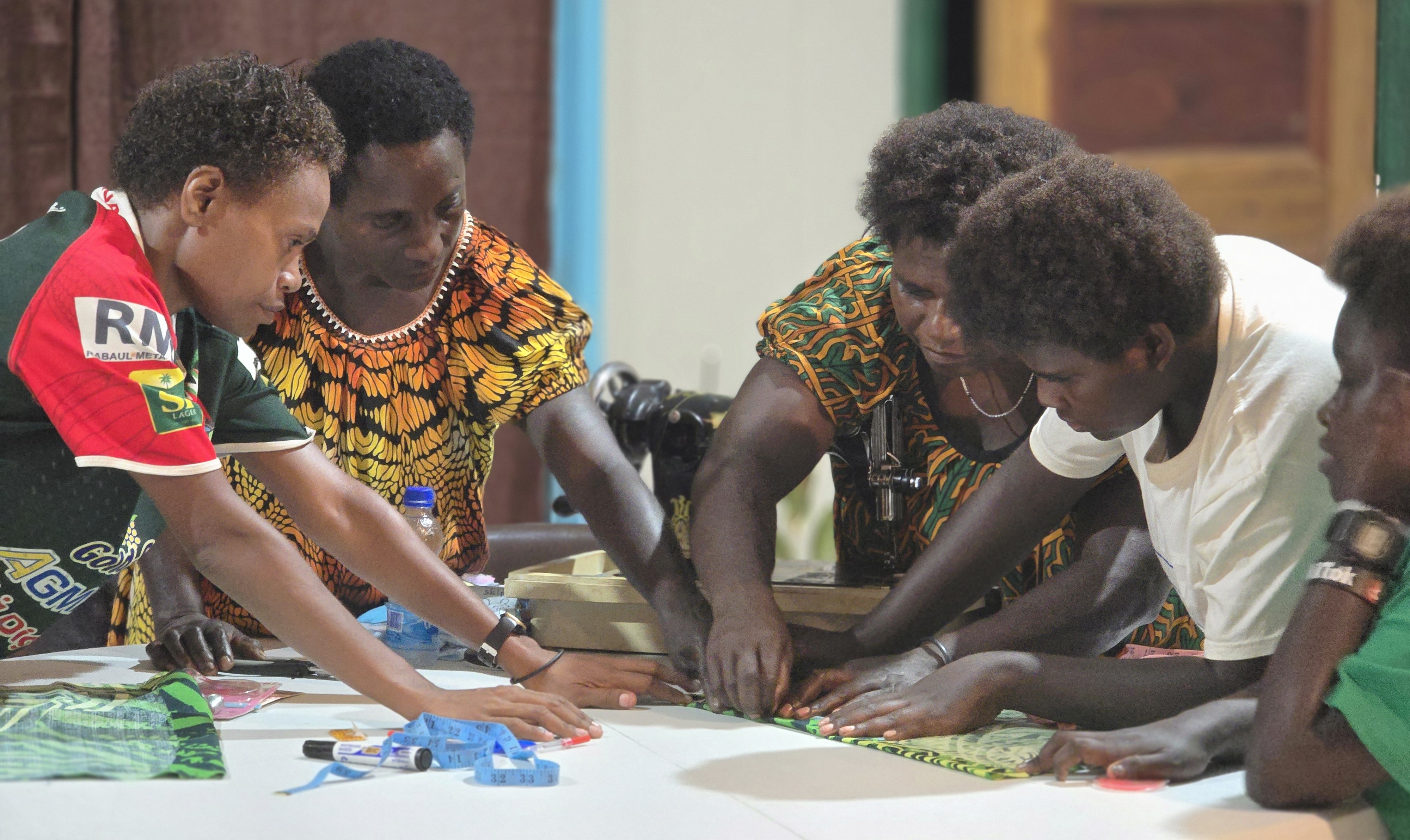
Inside the training, the atmosphere was hands-on and collaborative. Women and girls gathered around sewing machines, learning how to measure, design, and produce reusable menstrual pads. For many participants, it was their first time using a sewing machine.
But beyond the technical skills, the training created something deeper and that was confidence.
“This training is not only about menstrual health. It is about economic empowerment, confidence, and creating opportunities for women and girls,” explained Julie, the facilitator.
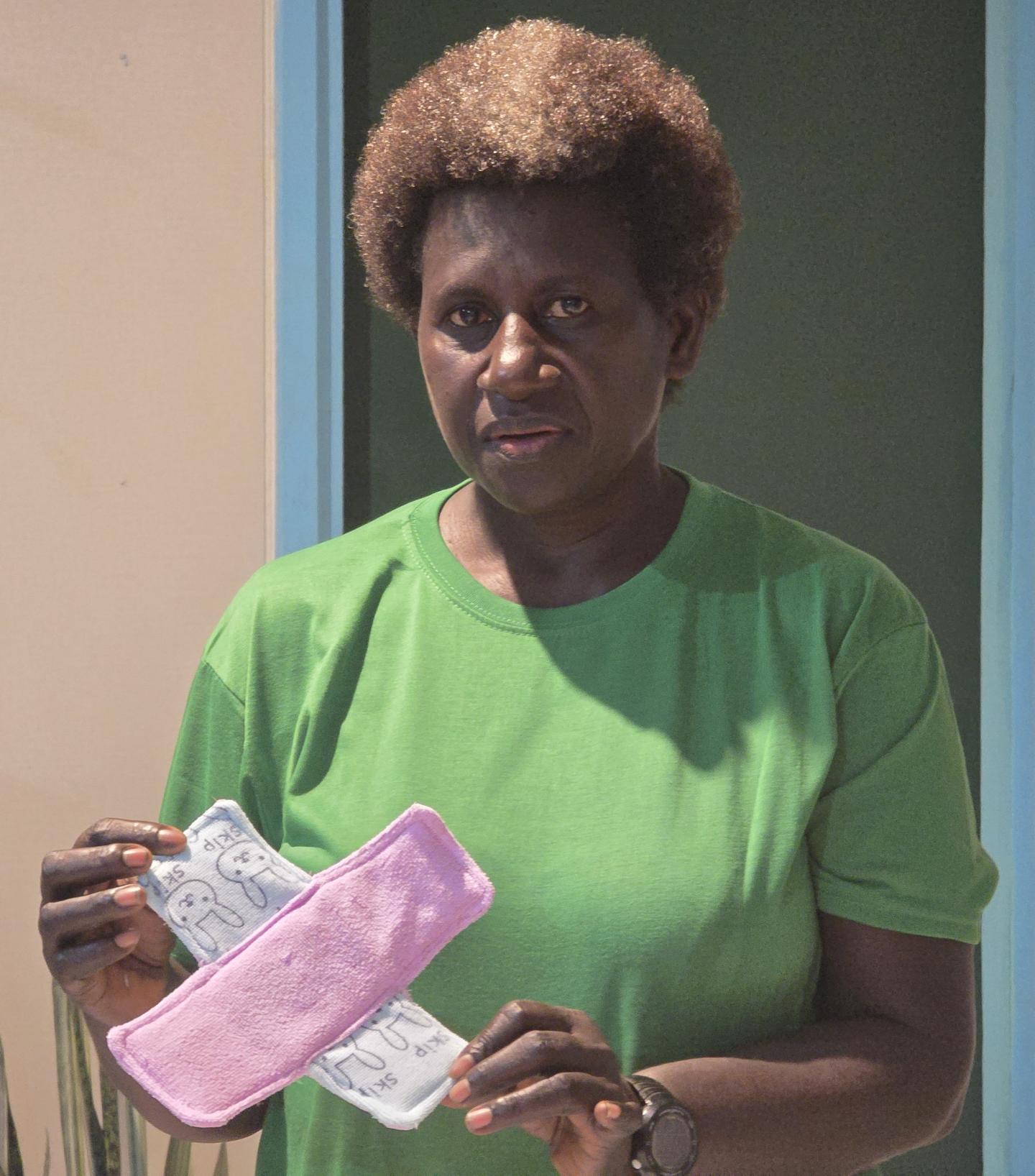
For teachers like Leonie, the impact extends far beyond the training room.
“As a teacher, I can now support girls in my school and teach others.. This will save costs and help girls who face difficulties,” she said.
With this new knowledge, schools are now planning to produce and store reusable pads on-site. This simple but practical solution means that girls will no longer have to miss class or be sent home unprepared, helping them stay in school and continue learning with confidence.
For women in the community, the training is also opening doors to new opportunities.
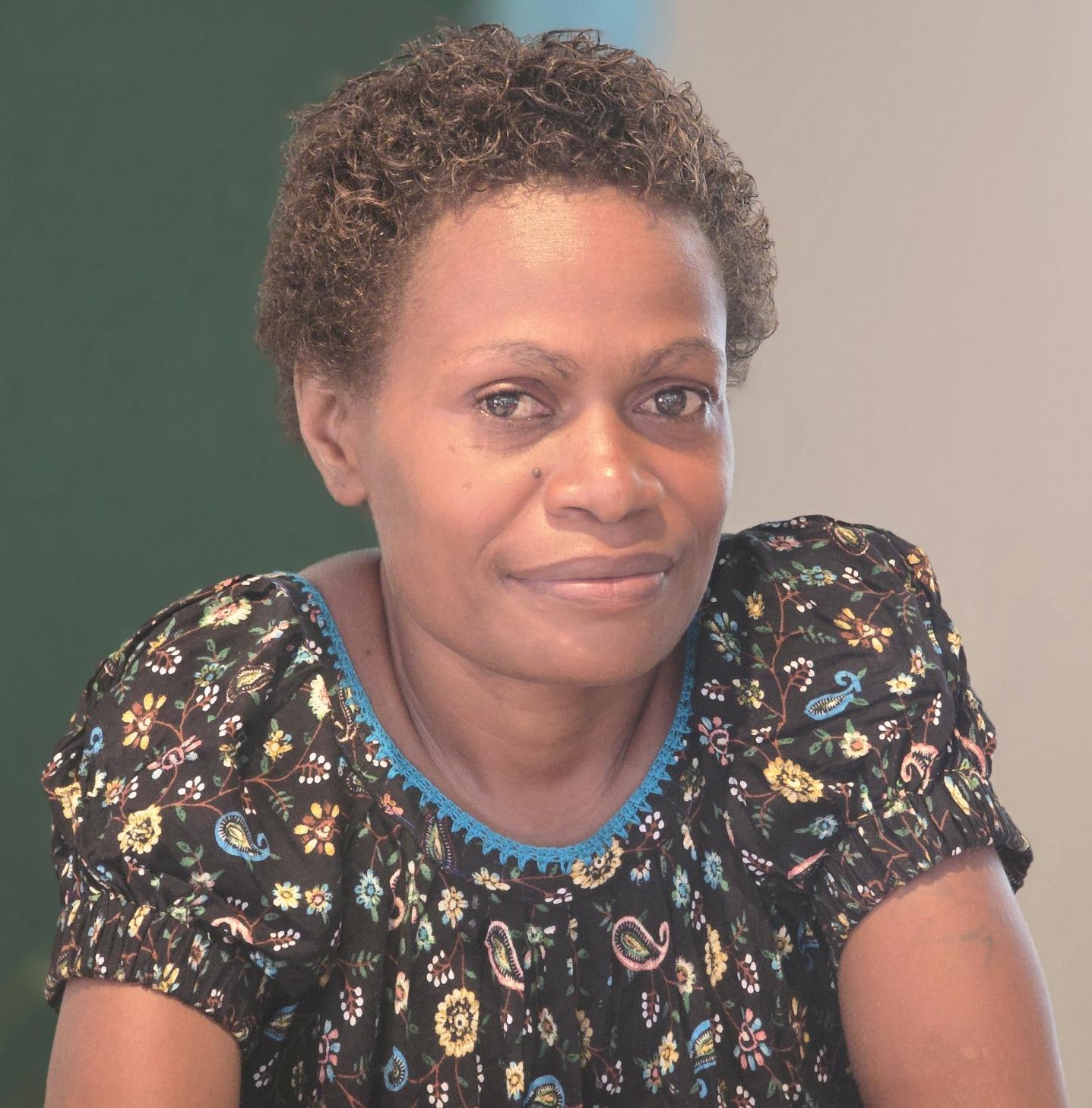
Francisca, who joined after hearing about the initiative, shared how the experience has changed her perspective.
“When I heard about this training, I really wanted to join. I am happy because this skill can help me make pads, support girls, and earn income.”
In a place where livelihood opportunities can be limited, the ability to produce reusable pads offers a pathway not only to support others but also to generate income for households.
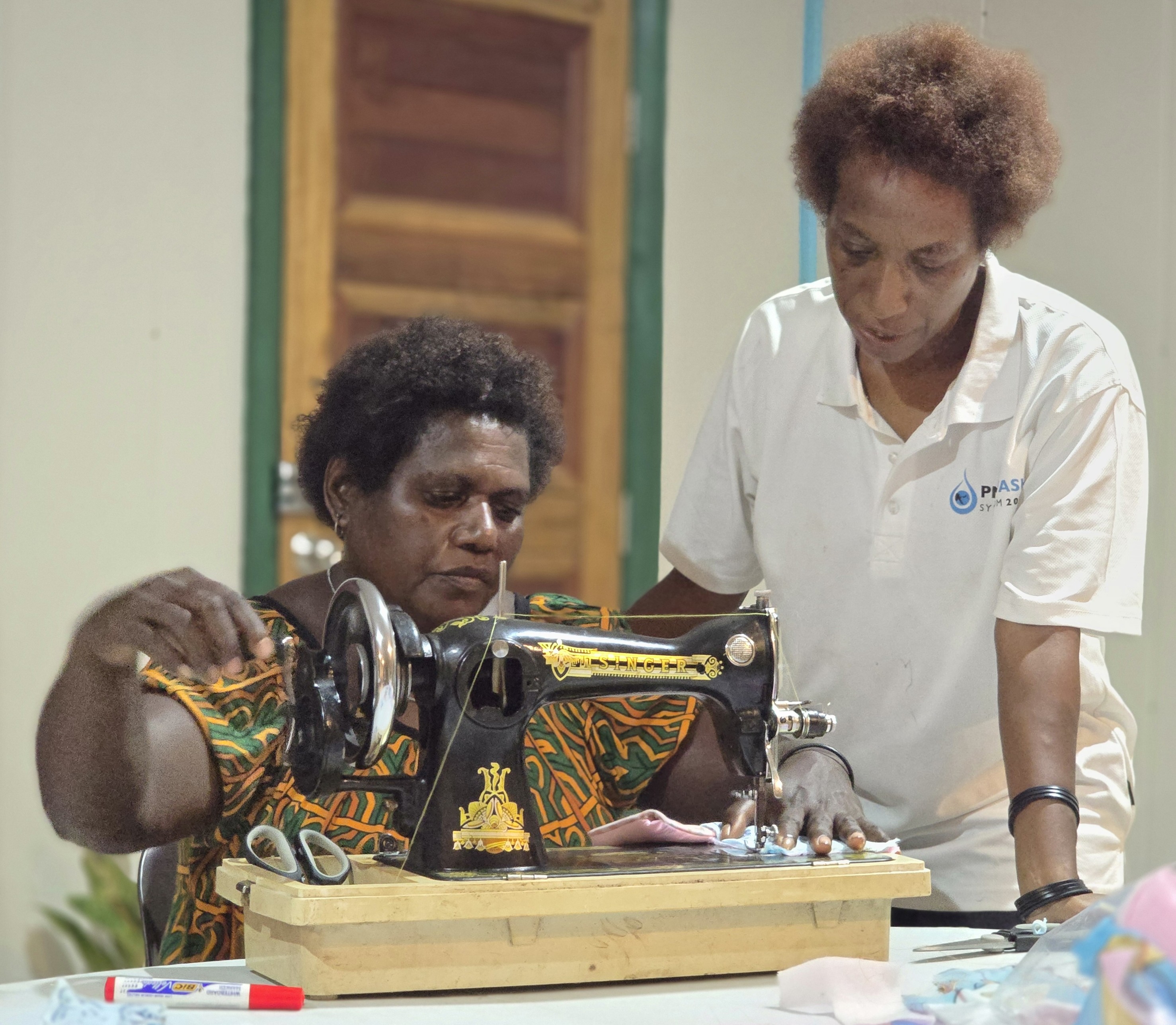
The impact of the training is already growing beyond the initial group. With plans to provide sewing machines to schools and community groups, participants will continue producing pads, sharing skills, and supporting others. What started as a training is becoming a locally led solution.
“We need more trainings This is good for students and mothers, and it helps us generate income and support girls for the long run,” one participant shared.
Through support from the European Union, this initiative is helping women and girls in Siwai take control of their health, stay in school, and participate more fully in community life. By combining practical skills with knowledge and confidence, it is creating change that is not only immediate, but lasting.