
Solomon's Gold: The young people shaping humanitarian work in Solomon Islands

Centuries after Álvaro de Mendaña thought he struck biblical wealth in these islands and left empty-handed, a different kind of wealth has come to light. It isn't buried in the earth; it is breathing, moving forward, and building in the young people shaping the nation's future.
"My father died, and I lost my purpose."
Adrian said those words to me, and I had to work hard to keep my phone camera steady.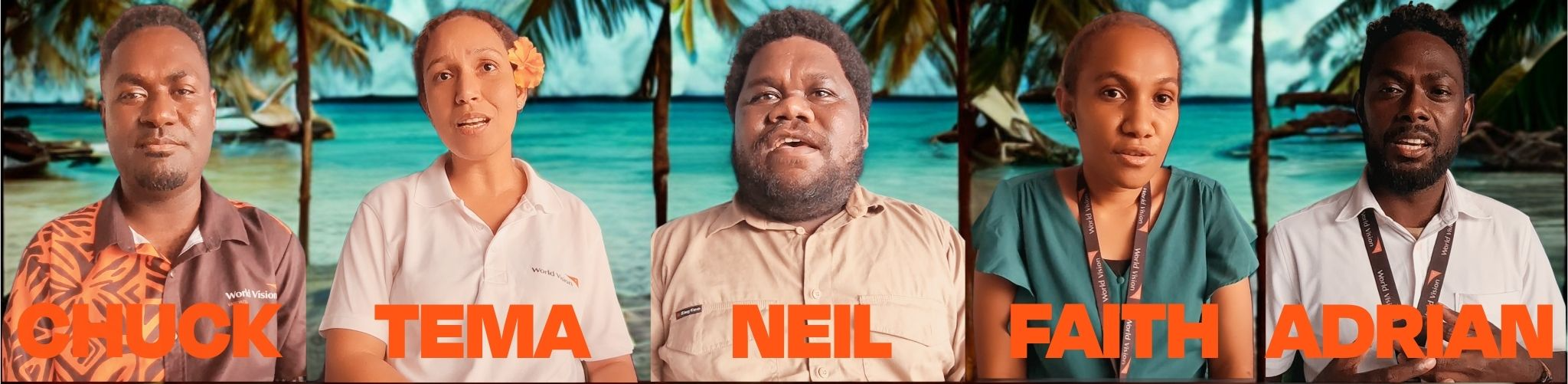
We were talking about what drives young people in the Solomon Islands to step up and reshape the future of aid and disaster response.
For Adrian, the turning point came in the wake of Cyclone Maila. Seeing mothers and children receive hygiene supplies, blankets, and shelter tarps gave him something solid to anchor to when his own world had shifted. Today, he navigates the intricacies of humanitarian finance while stepping up to support his siblings and cousins through school.
Learning to live with grief, he carries an irrepressible rhythm: strumming the guitar during devotions and organising afternoon volleyball games with fellow aid workers to keep morale alive. Adrian is far from being alone. Across the islands, a quiet, determined generation of young humanitarians is driving change.
I spoke with others, and from what I heard, I know these young humanitarians have a heart of gold.
"Seeing children and women have water near their homes warms my heart.", shares Tema.
"Being light for children, hearing their dreams.", shares Neil.
"Making sure children are protected, teaching the community and the parents to keep children away from harm," shares Faith.
Chuck captures the essence of the collective spirit: "I love my work; I learn about partnerships. Humanitarian response is teamwork; you can't do it alone."
Watch our World Humanitarian Day 2026 video from Solomon Islands
From the outside looking in, humanitarian work is frequently romanticised — glossy brochures, heroic narratives, and dramatic rescues. The everyday reality is far more demanding.
Becoming a humanitarian is a rewarding journey. But it is also an excruciating path.
You can spend long hours in the field. And change seems to be a never-ending battle.
In the Solomon Islands, these young workers operate at ground zero of compounding crises. They are confronting accelerating climate change, rising sea levels eating away at coastlines, rapid urbanisation in Honiara, and a chronic lack of rural opportunities across the outer islands. They navigate waterways choked with plastic and walk alongside communities scraping by day to day in informal settlements.
The challenges are staggering. But so is the resilience meeting them head-on.
These young humanitarians are not waiting for external direction. They are carrying the weight of their own communities, proving that the true strength of these islands has always been here — in the resilient hands of the people doing the work, day in and day out.
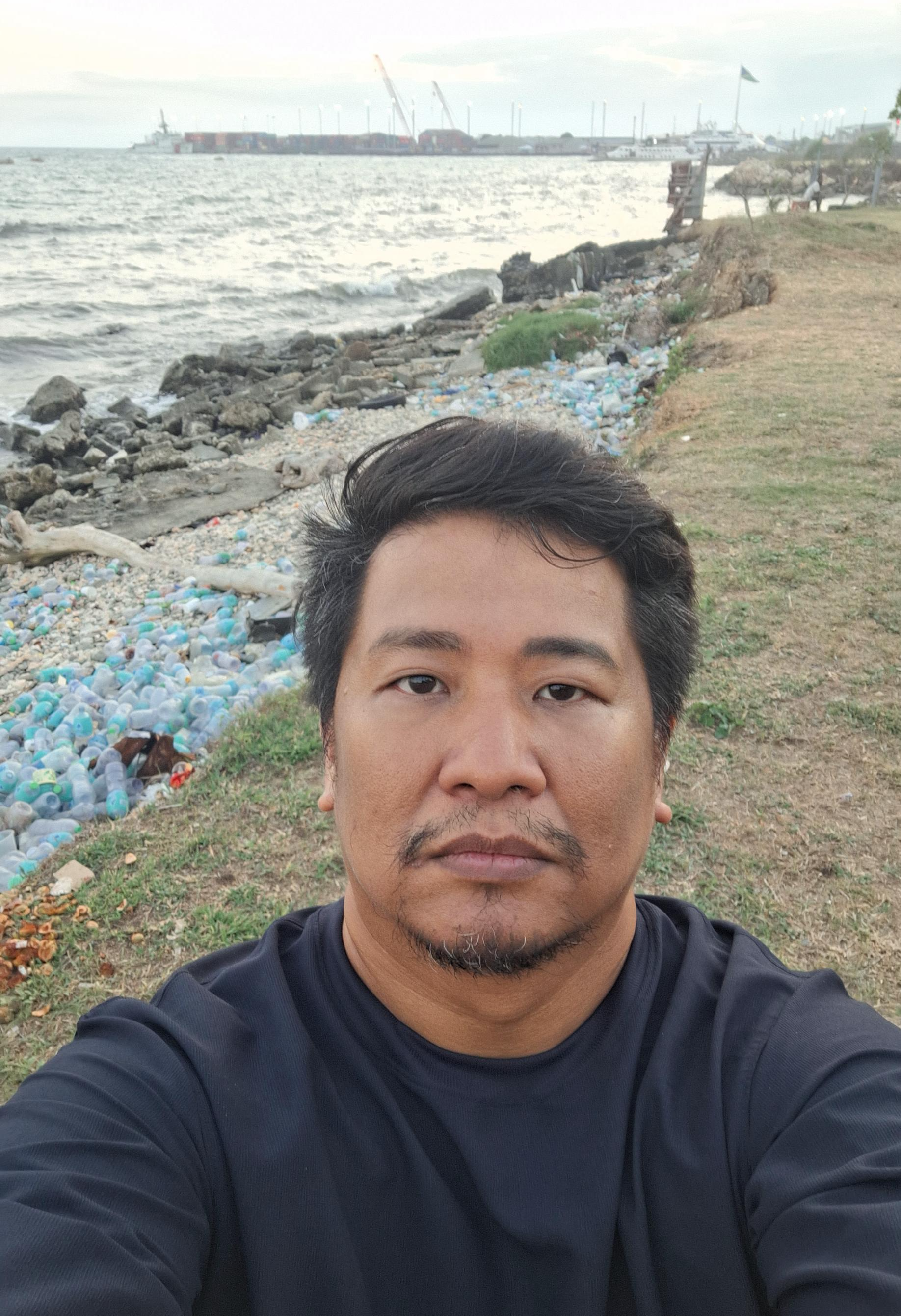
Aaron Aspi is the Regional Communications Adviser for World Vision South Asia and the Pacific, currently on assignment to document frontline resilience, local leadership, and the voices of children, youth, and communities across the Pacific.