
Youth Leadership: Building Peace and Gender Justice Across Asia and the Pacific

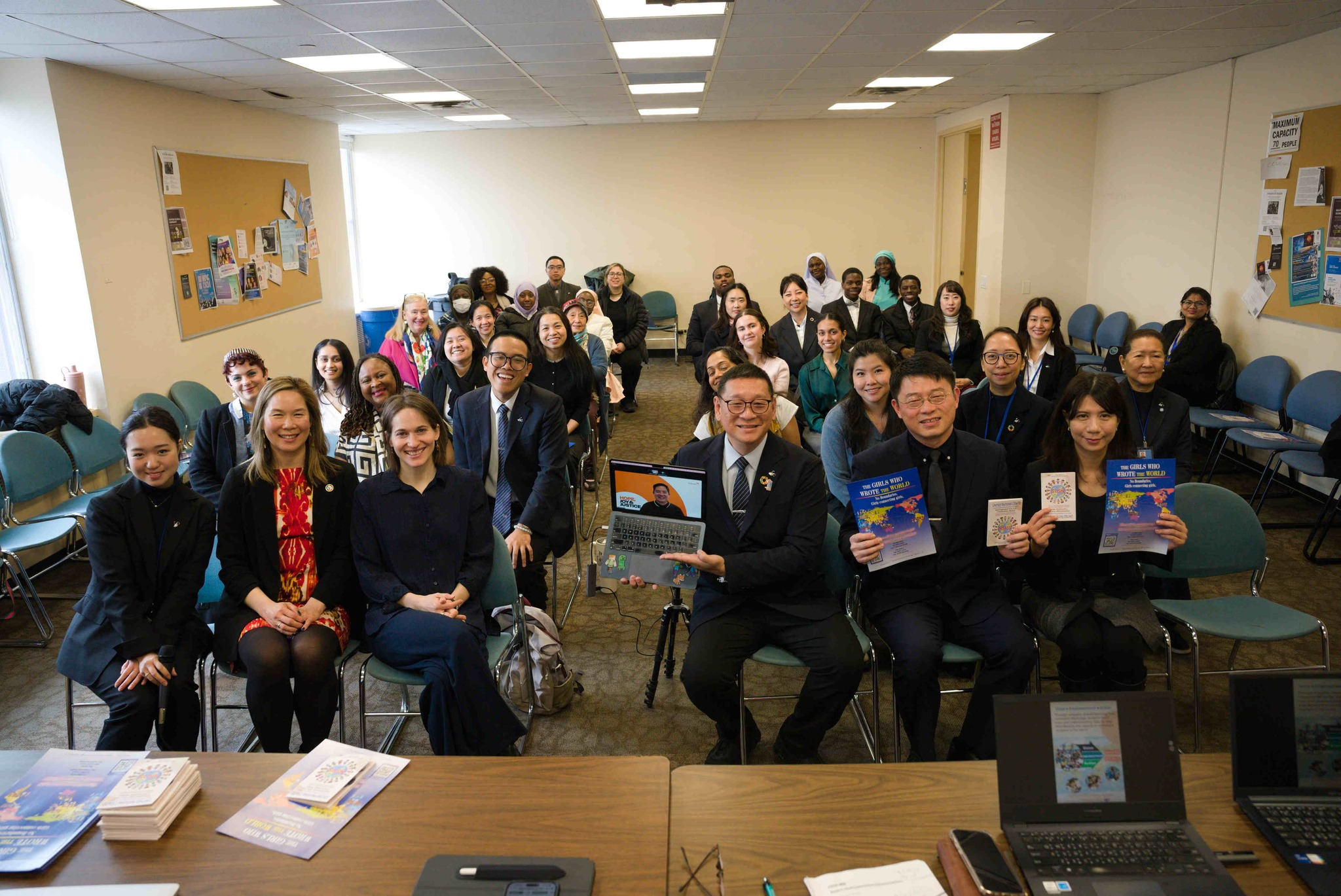
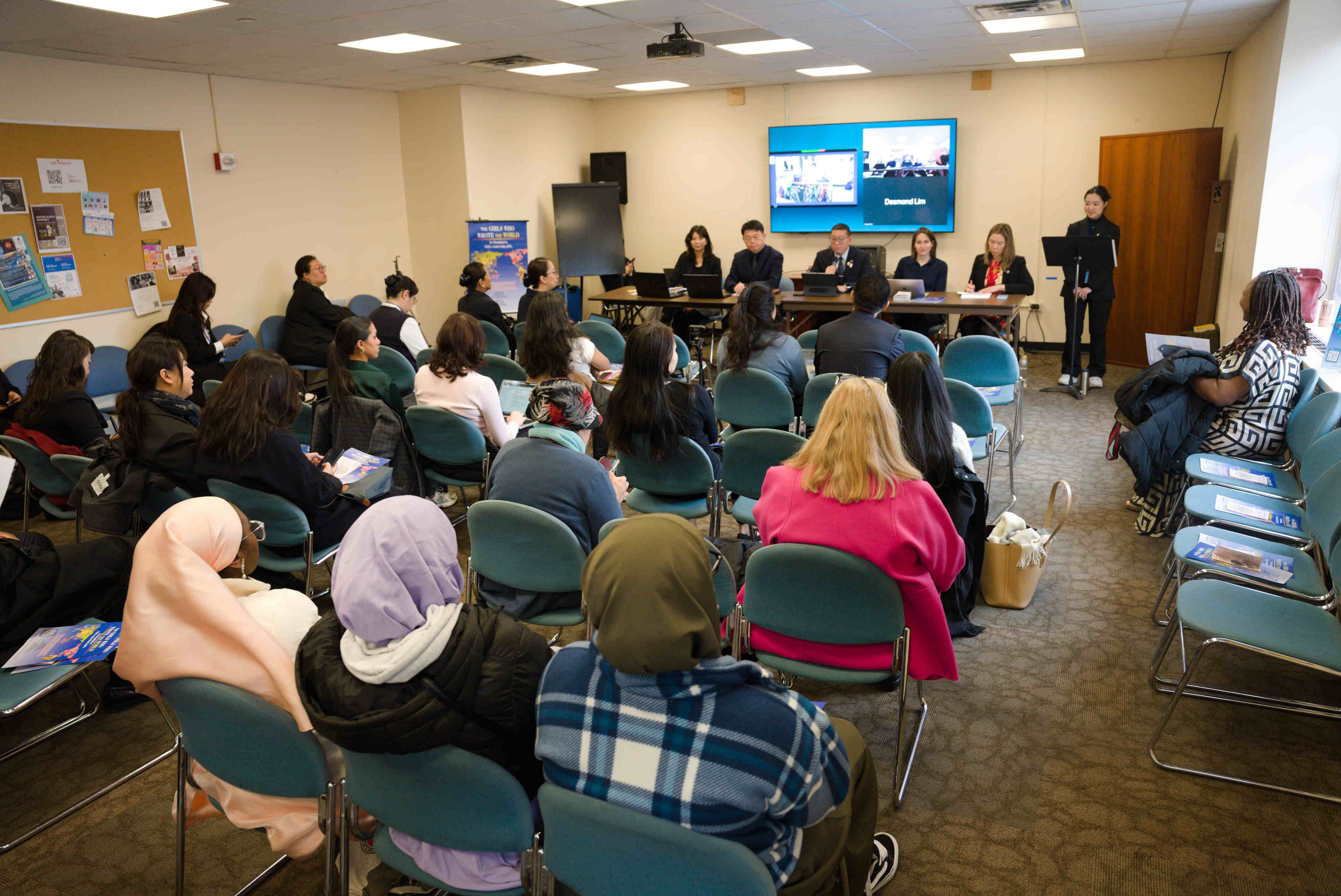
At the United Nations Commission on the Status of Women (CSW70) in March 2026, World Vision South Asia and Pacific joined a vital virtual side event titled "Building Peace through Youth Leadership". Partnering with Soka Gakkai International, the Movement for Community-Led Development (MCLD), Tzu Chi Philippines, and Global Pen Pals, the panel examined how organisations across the region are empowering youth to advance gender justice and social cohesion.
Young people across South Asia and the Pacific are currently growing up amid rising inequality, climate pressures, and violence that disproportionately affects women and girls. To counter this, local field offices are working directly with communities to equip youth as leaders, advocates, and change agents who can challenge harmful norms from within.
Three Pillars of Youth Empowerment
World Vision’s contribution to the discussion centred on three distinct, localised approaches designed to foster resilience and social cohesion:
- Child-Led Advocacy and Meaningful Participation (CHAMP): Youth from Bangladesh, Indonesia, Nepal, the Philippines, and Sri Lanka conduct grassroots community research and advocate directly with regional policymakers.
- Empowering Children as Peacebuilders (ECaP): This specialised curriculum builds essential leadership skills for peace and inclusion. In the Philippines, young participants notably became peace champions as their community rebuilt following the 2017 conflict.
- Impact Clubs: Operating across South Asia, these clubs bring youth of different faiths together to collectively tackle shared challenges, including gender inequality and pressing environmental issues.
Overcoming Deeply Rooted Social Norms
A recurring theme among the panelists was the persistent barrier of deeply rooted social norms. In Nepal, for example, the perception that girls' education is less valuable leads to severely unequal opportunities, while traditional practices like Chhaupadi further restrict women's active participation in society. Panelists noted that addressing these deep-seated beliefs requires going beyond visible behaviours to transform the underlying values that sustain them.
Three Calls to Action for Governments and Global Partners:
- Create Meaningful Platforms: Establish dedicated spaces for youth—especially girls—to lead.
- Partner with Faith Leaders: Engage closely with faith leaders who shape community values at a deep level.
- Invest in Holistic Development: Nurture character, empathy, and purpose alongside formal education.
When young people grow up with a strong sense of identity and shared responsibility, they effectively become the peacebuilders their communities need.
Diverse Perspectives on Peace and Progress
The virtual side event highlighted a rich tapestry of cross-sectoral approaches from other prominent panelists:
- Soka Gakkai International highlighted the impact of nonformal education rooted firmly in gender equity.
- The Movement for Community-Led Development (MCLD) shared effective, community-driven approaches to sustainable peace and development.
- Tzu Chi Philippines demonstrated the power of faith-inspired community action in conflict-affected areas of Mindanao.
- Global Pen Pals showcased how intercultural exchange can serve as a practical tool for building mutual understanding across borders.
A Shared Commitment to the Future
The insights shared during CSW70 reinforce a clear reality: sustainable peace and gender justice cannot be achieved without the active participation of the younger generation. By equipping youth with the tools to lead, bridging cultural and faith boundaries, and transforming restrictive social norms, global organisations are laying the groundwork for resilient societies. Moving forward, the collective focus remains on turning these calls to action into sustained regional policies—ensuring that children and communities across Asia and the Pacific are empowered to shape their own peaceful futures.
Article by: Desmond Lim, World Vision South Asia and Pacific Faith and Development Adviser