
STEP TOWARD STABILITY: How cash assistance helped Maram* hold her family together.

For years, families across Syria have been struggling to survive amid ongoing economic hardship, displacement, and limited job opportunities. Labour force participation among women is below 15%, hampered by discriminatory norms, care burdens, and insecurity.
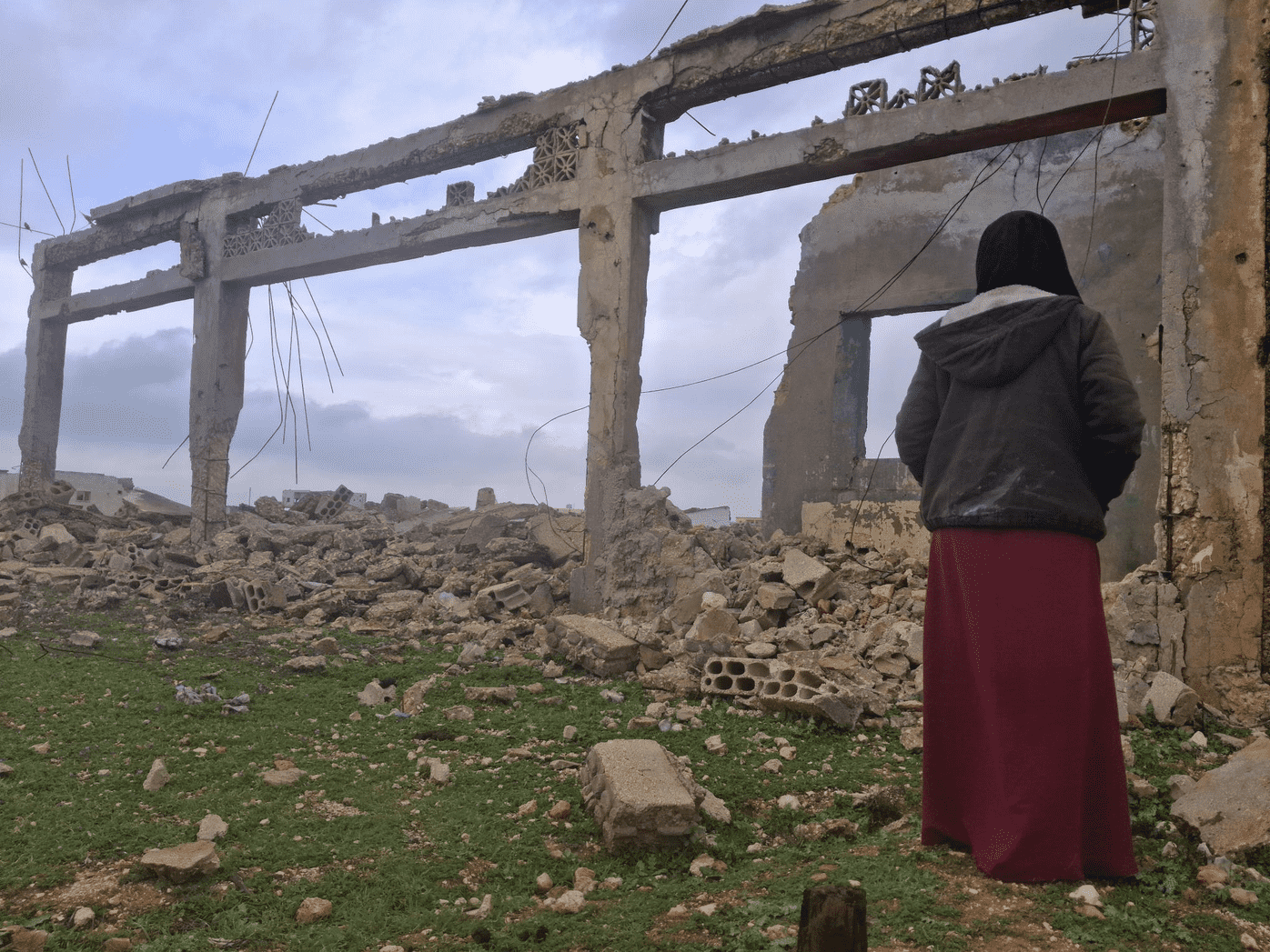
Like many others, Maram* and her family were displaced from their village and lived for years under unstable conditions before eventually returning to rebuild their lives.
Maram*, a 50‑year‑old, divorced mother of four.
Life has become increasingly difficult for her and her family. With no stable source of income, they relied on seasonal agricultural work that was irregular and poorly paid. Some days, the family could afford only one meal.
“There were many times when the food was not enough for all of us,” Maram* recalls. “We often had to borrow food from neighbors or relatives just to get through the day.”
The family’s only steady support came from Maram’s* 22‑year‑old son, who worked daily agricultural jobs whenever work was available. Even then, the income barely covered food expenses, leaving little for healthcare, transportation, or clothing. As prices continued to rise, Maram* was sometimes forced to delay buying medicine despite suffering from severe anemia.
Opportunities for work were especially limited for women. Years of displacement and instability meant she never had the chance to learn a profession or build sustainable skills.
Maram* learned about the project, which is funded by the Community Chest of Korea, supported through World Vision Korea and implemented by World Vision International - Syria Response, through community announcements and local committees in her village. After registering, her family underwent a verification process and home visit, which identified them as highly vulnerable due to prolonged economic hardship and limited livelihood opportunities.
Based on this assessment, she was selected to receive multi‑purpose cash assistance of USD 150 per month, to be provided over three consecutive months. The assistance helped her family purchase essential food items, milk for her grandchild, and much needed medication.
“This support reduced the stress and fear I had been living with for a long time,” Maram* says. “It gave me a sense of relief and helped me feel safer.”
That relief extended beyond immediate financial support. For Maram*, the assistance restored a sense of dignity and stability at a time when everything felt uncertain. She was able to reduce debts, manage daily household expenses, and regain some peace of mind despite her home having been damaged during the conflict.
The support reminded her and her family that they were not alone and enabled them to return to their village and attempt to resettle, despite the damage to their home.
A message from Maram* to the doners:
“These initiatives help families survive crises and protect what little they have left. They also restore trust and stability within the community,” she says. “Thanks to this support, I was able to return to my village and try to rebuild my life.”
Beyond one family, the project helped reduce financial and social pressures on vulnerable households, improved access to basic needs, supported children to remain in school, and offered reassurance to mothers. Even small, well‑timed interventions can restore dignity, strengthen resilience, and create lasting impact at both family and community levels.
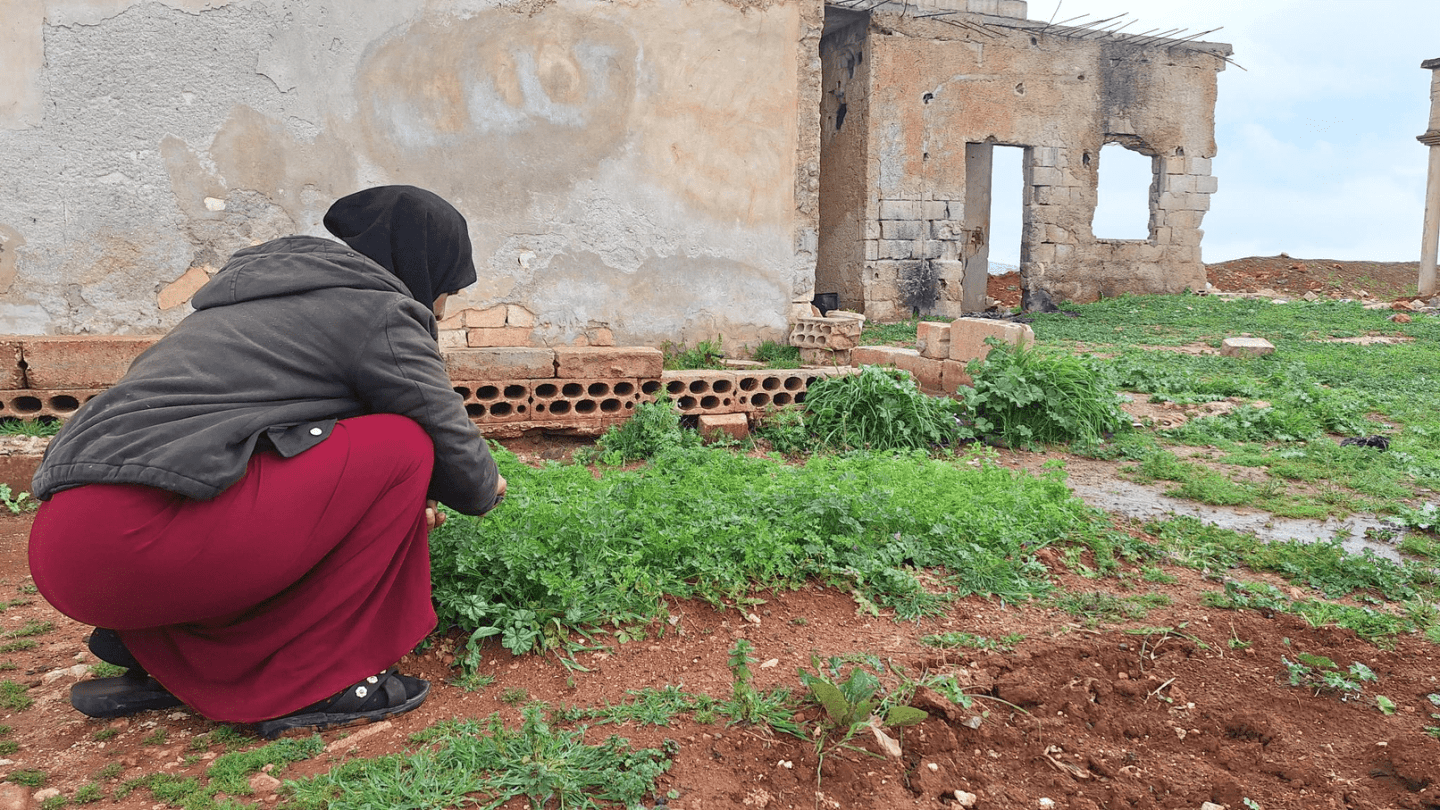
Maram’s* message to other women facing similar challenges,
“We women have been strong in facing crises. When you are strong, your family becomes stronger. Take advantage of the support available to help your family and keep moving forward. “
Name was changed to protect identity*