
Turning floods into opportunities: Smart farming is changing lives

In Hal Bull Boma, Aweil East County, Northern Bahr El Ghazal State, farmers are realizing the potential of floods as an opportunity for growth and build resilience.
World Vision’s Water for Climate Resilience and Empowerment of Society (WACRESS) Project is supporting farmers to adopt climate-smart farming methods which are enhancing their production, diversifying livelihoods and strengthening food security for their families.
Training and practical demonstrations on rice farming. 120 farmers across hall bull participated in the activity. Among them is 50-year-old Abuk. She thought rice farming was too expensive and difficult to do before she joined the Farmer Field School.
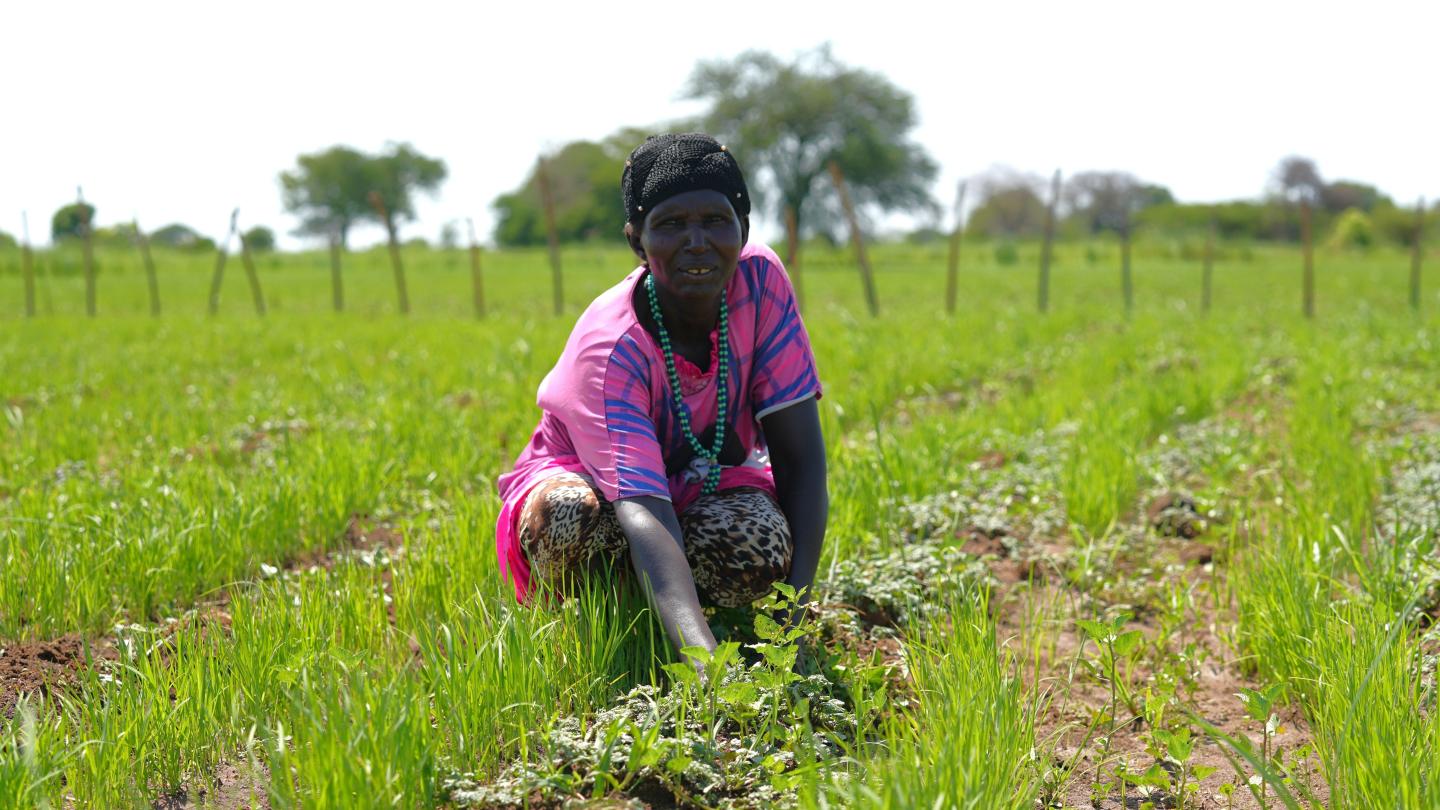
“For years, we saw floods as a challenge. Through the training, I learned that floods can also be beneficial because rice grows well in waterlogged areas. Now, I see rice farming to feed my family and improve our future.” Says Abuk, 50.
The demonstration has instilled in her the confidence to grow rice on her own farm, under the same conditions that once threatened her livelihood.
For 28-year-old Rebecca. Prior to the training, she and her husband cultivated rice and sorghum on a small scale applying traditional methods.
“The training taught me to plant rice in rows instead of broadcasting seeds. This simple change has improved our yields and increased our harvest.” Says Rebecca.
For farmers like Abuk and Rebecca, the training and demonstration is more than just farming training. It turns challenges into opportunities and helps families build a more secure future.
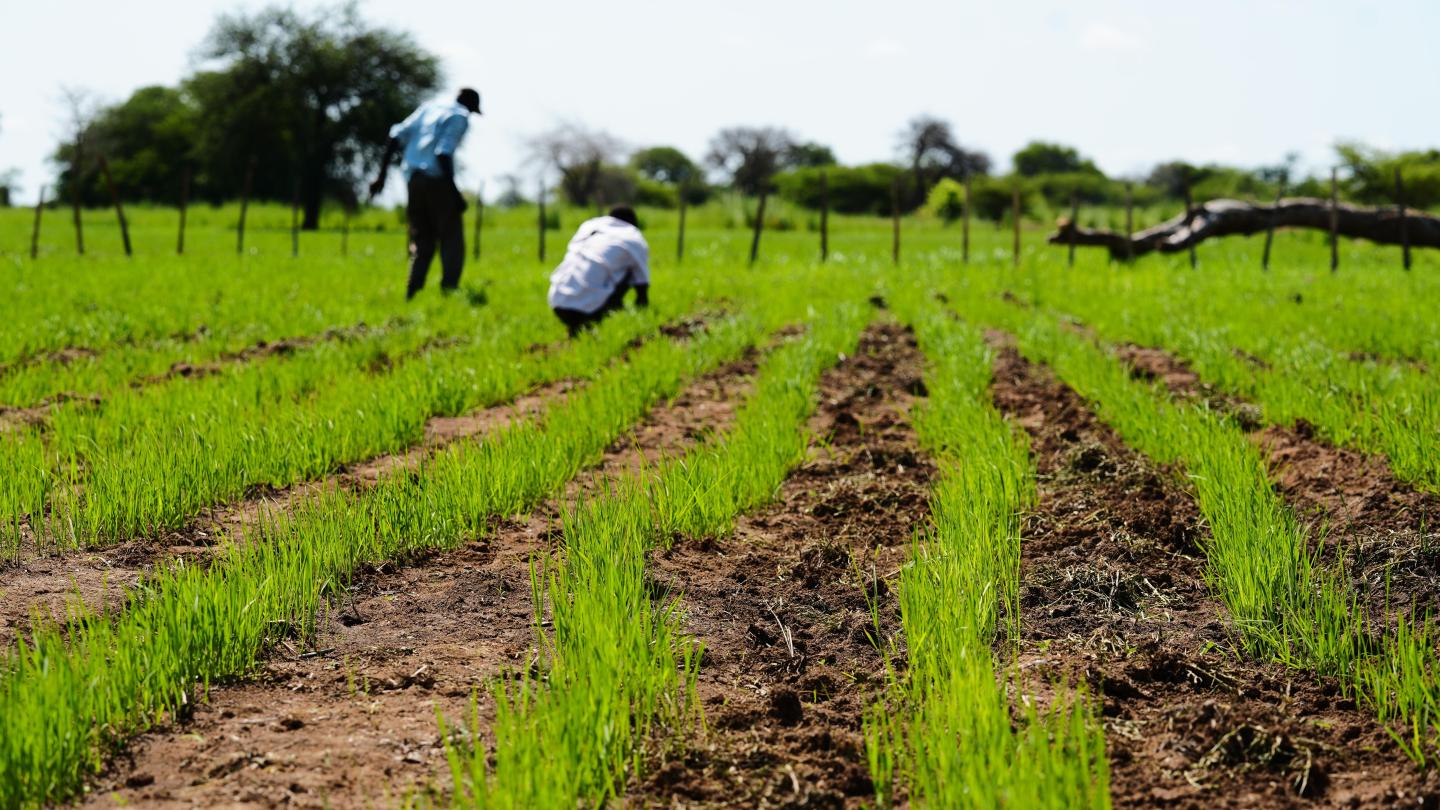
“What we feared is now helping us,” Abuk said. “The floods are still here, but we now know how to use them to grow food to feed our families.”
World Vision, with the support of the United Nations Development Program (UNDP) and the Ministry of Agriculture, is implementing the WACRESS Project in Northern Bahr El Ghazal, with the goal of helping communities adapt to climate change, improve food security and build sustainable livelihoods.
Story and photo Leju Alan Roba | Communications officer