
Waiting on the Stairs: Why I Continue to Serve

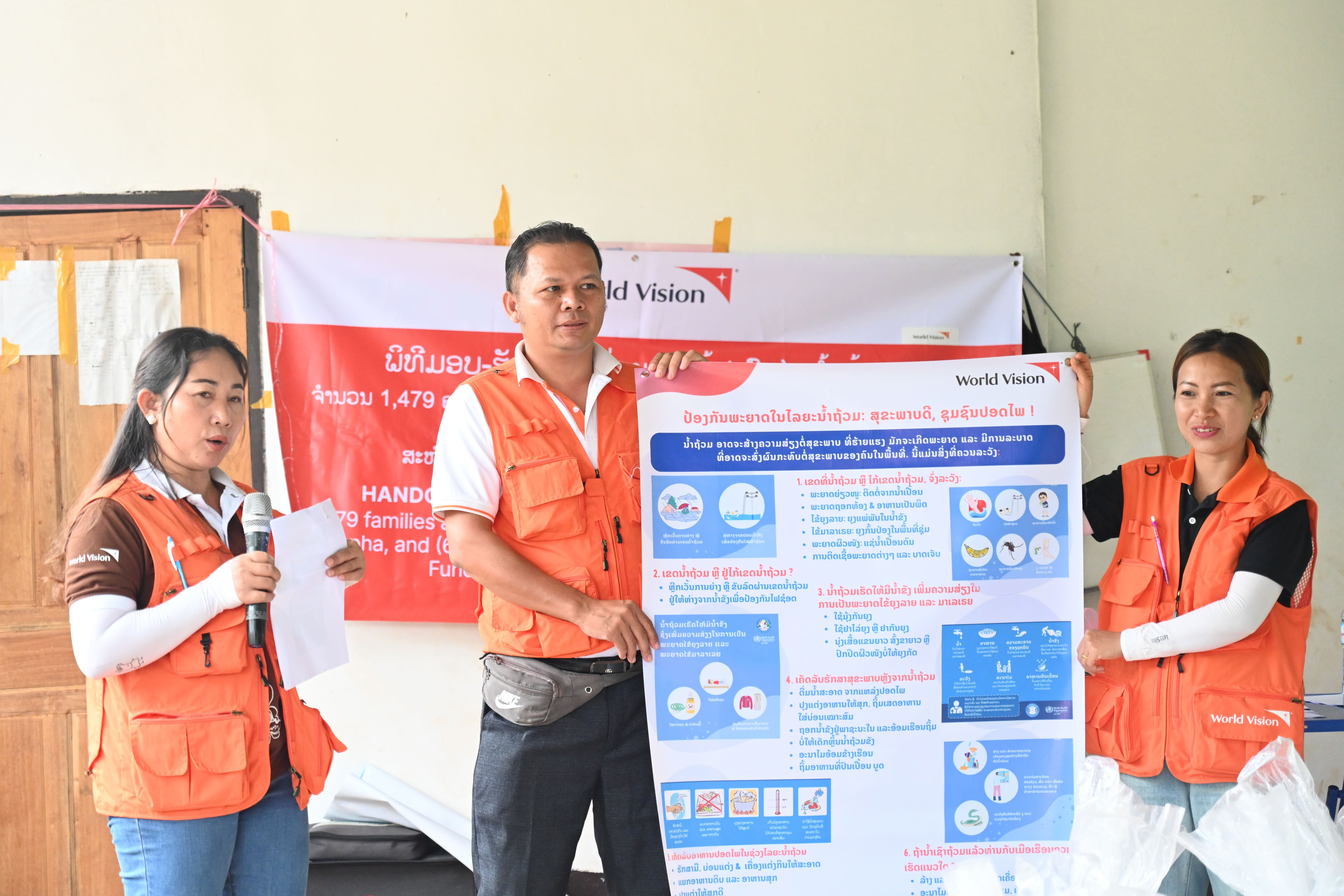
Some memories never leave you. They become the reason you continue when the work is difficult, the days are long, and the challenges feel overwhelming.
For me, that memory is of three young boys waiting patiently on the stairs of their flooded home.
It has been more than a decade since I met them, but I still remember their faces.
In 2013, I was deployed to support an emergency flood response in southern Laos. Entire communities had been submerged by floodwaters. Families had lost their belongings, their homes, and access to food and clean water. Together with my colleagues, I travelled by boat to reach villages cut off by the floods, carrying emergency supplies for families who had nowhere else to turn.
As our boat slowly approached one of the villages, I saw a young boy sitting quietly on the stairs of his flooded home with his two younger brothers. His name was Noy.
They were waiting.
Waiting for help. Waiting for food. Waiting for clean water.
I remember wondering how long they had been sitting there and what must have been going through their minds. They weren't crying or calling out for assistance. They simply waited with hope that someone would come.
That moment has stayed with me throughout my career.
Today, Noy and his brothers are likely young adults. I don't know where life has taken them or whether they remember the day our boat arrived at their village. But I still remember them. I still picture three children sitting patiently together amid the floodwaters, waiting for a chance to feel safe again.
Their faces remind me why humanitarian work matters.
People often ask why I continue doing this work despite the hardships and risks that can come with it. The answer is simple: my work is more than a responsibility as a staff member of a development organization. It is a commitment to serving those who are most vulnerable.
Humanitarian work is not only about delivering food, water, or emergency supplies. It is about standing alongside communities during some of the most difficult moments of their lives. It is about ensuring that when disaster strikes, people know they are not alone.
Every emergency is different. Behind every response are families facing uncertainty and children whose lives have been disrupted in an instant. They may lose their homes, their sense of safety, or the routines of childhood that many of us take for granted. Yet even in these difficult circumstances, I have witnessed remarkable strength, hope, and resilience.
That is what continues to inspire me.
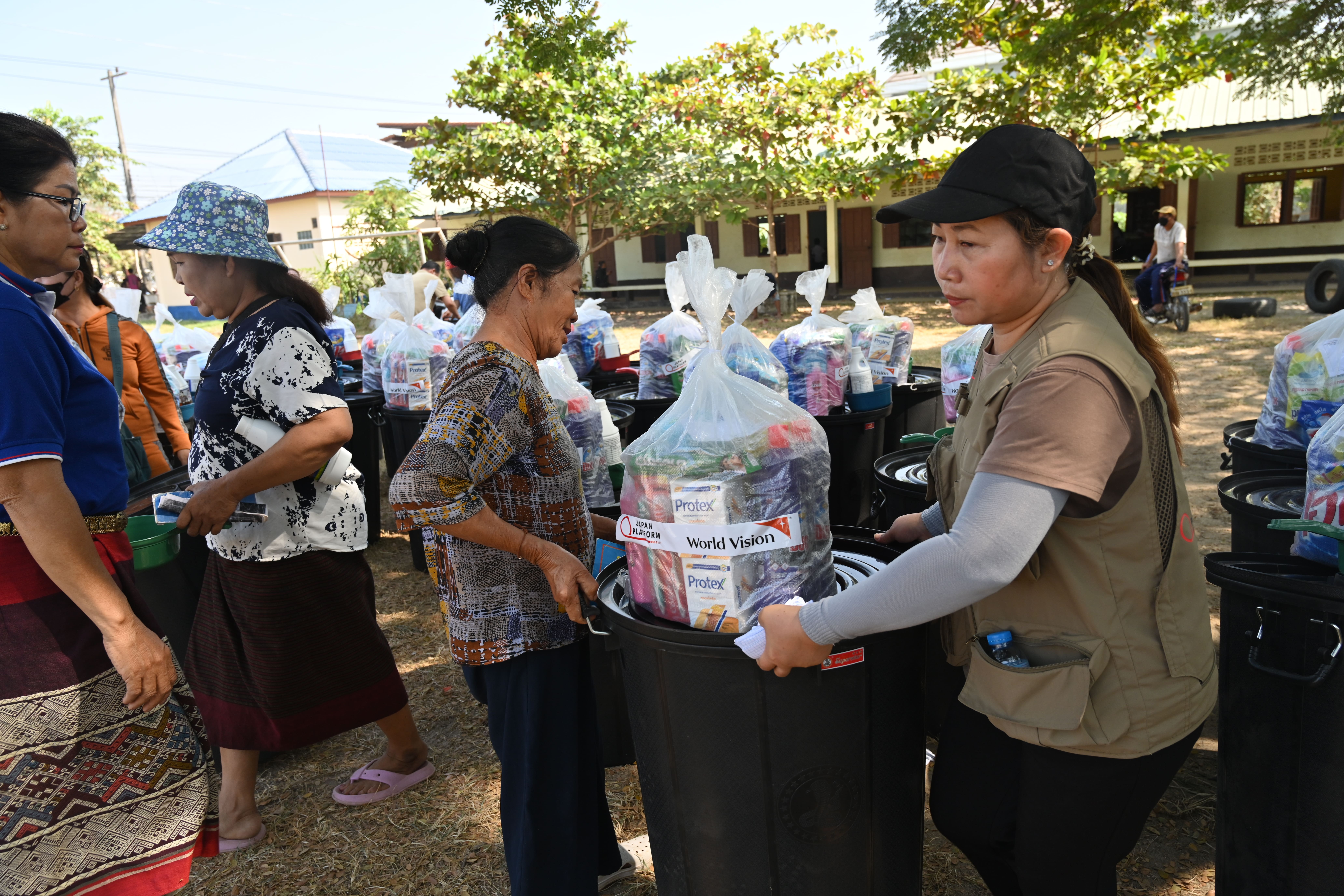
Knowing that our efforts provided Noy and his brothers with food and safe drinking water that day gave me a deep sense of purpose and fulfillment. It reminded me that sometimes the smallest acts of compassion can mean everything to someone facing unimaginable hardship.
More importantly, it reminded me that humanitarian work is ultimately about people.
Behind every statistic is a child waiting to be seen. Behind every emergency response is a family hoping for a better tomorrow. And behind every humanitarian effort is a shared belief that every person deserves dignity, care, and the opportunity to rebuild their lives.
That belief is what gets me out of bed every morning.
I continue this work because I believe vulnerable communities deserve more than temporary relief, they deserve the opportunity to strengthen their resilience, improve their well-being, and build a better future for themselves and for generations to come.
The challenges are real. Humanitarian work often means responding in times of uncertainty, navigating difficult conditions, and witnessing profound loss. But it is also a privilege. It is a privilege to stand alongside communities as they recover, to witness their courage, and to play even a small part in helping them move forward.
On this World Humanitarian Day, I think again of Noy and his two younger brothers waiting patiently on the stairs of their flooded home.
They are the reason I continue.
Because humanitarian work is not simply about responding to crises. It is about showing up when people need us most. It is about carrying hope to places where it feels distant. And above all, it is about ensuring that no one facing hardship has to face it alone.
That is why, despite the challenges, I will continue to serve.
By Ammala Thomisith, Senior Corporate Communication Coordinator, World Vision International Lao PDR