
Why community‑based maternal and child health works: Lessons from Khovd Province, Mongolia

By Tsengelbayar Tsasanshuurga, Communications and Public Engagement Manager, World Vision Mongolia
Maternal and child health is often discussed in terms of national policies, clinical infrastructure, and health system reform. Yet some of the most decisive gains happen much closer to home, in primary healthcare facilities, households, and communities where everyday decisions determine whether children thrive or fall behind.
A maternal and child health project implemented in Khovd Province in western Mongolia demonstrates why investments in community‑based, prevention‑focused approaches remain essential. By strengthening frontline health services, empowering caregivers, and mobilising community volunteers, the project achieved measurable improvements in child nutrition, service utilisation, and health worker capacity.
Implemented across five Family Health Centres in Jargalant soum, the project reached 6,246 adults and 1,304 children under the age of five during its first two years. Initial health screenings identified 28 children with undernutrition, anaemia, or rickets. While this number may appear small, it highlights an important reality: these cases were identified in an area considered relatively better off than surrounding communities, reminding us that vulnerable children can remain hidden even in communities with access to basic health services.
When knowledge becomes daily practice
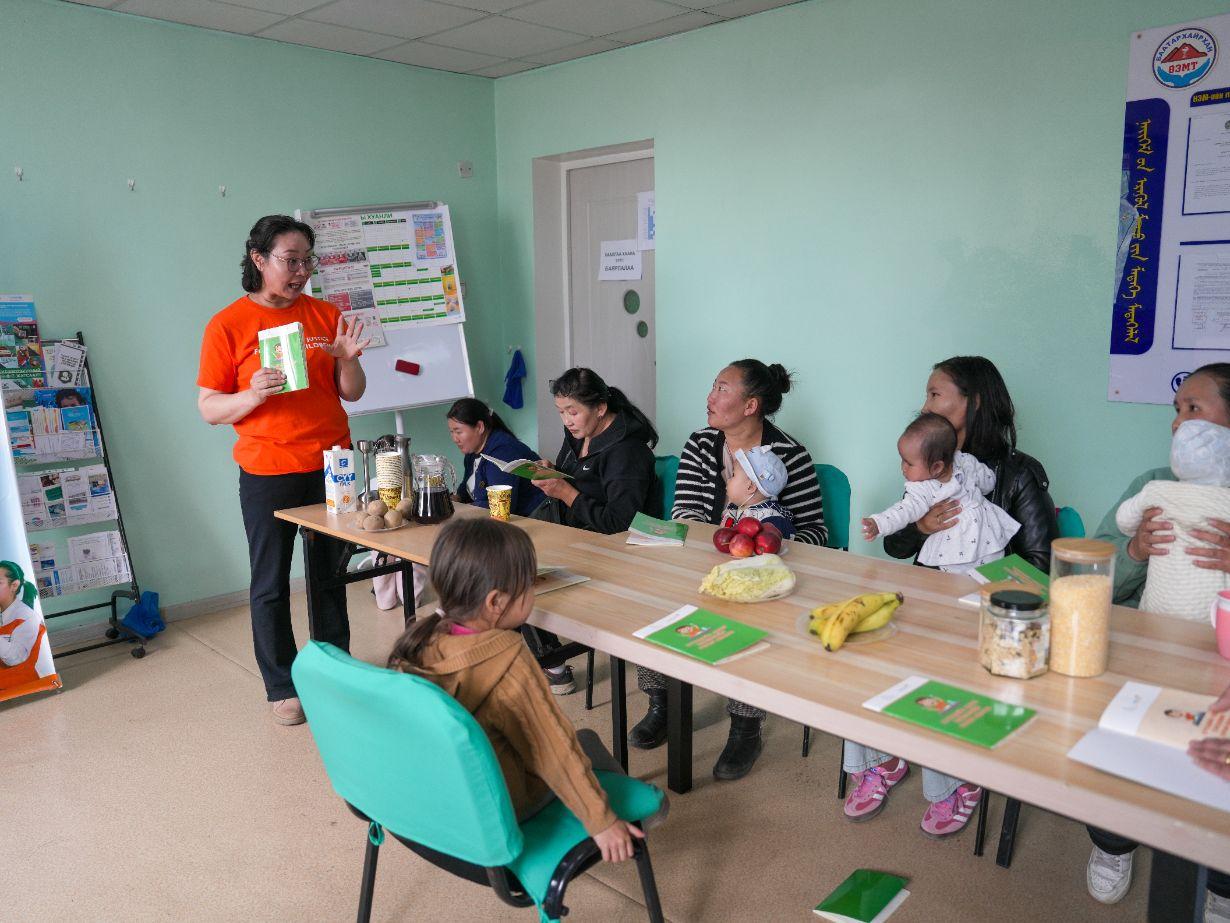
Rather than relying solely on clinical treatment, the project focused on equipping caregivers, particularly mothers, with practical nutrition knowledge. Mothers of undernourished and anaemic children participated in repeated, hands‑on learning sessions at Family Health Centres, where they learned how to prepare nutritious meals using affordable, locally available foods.
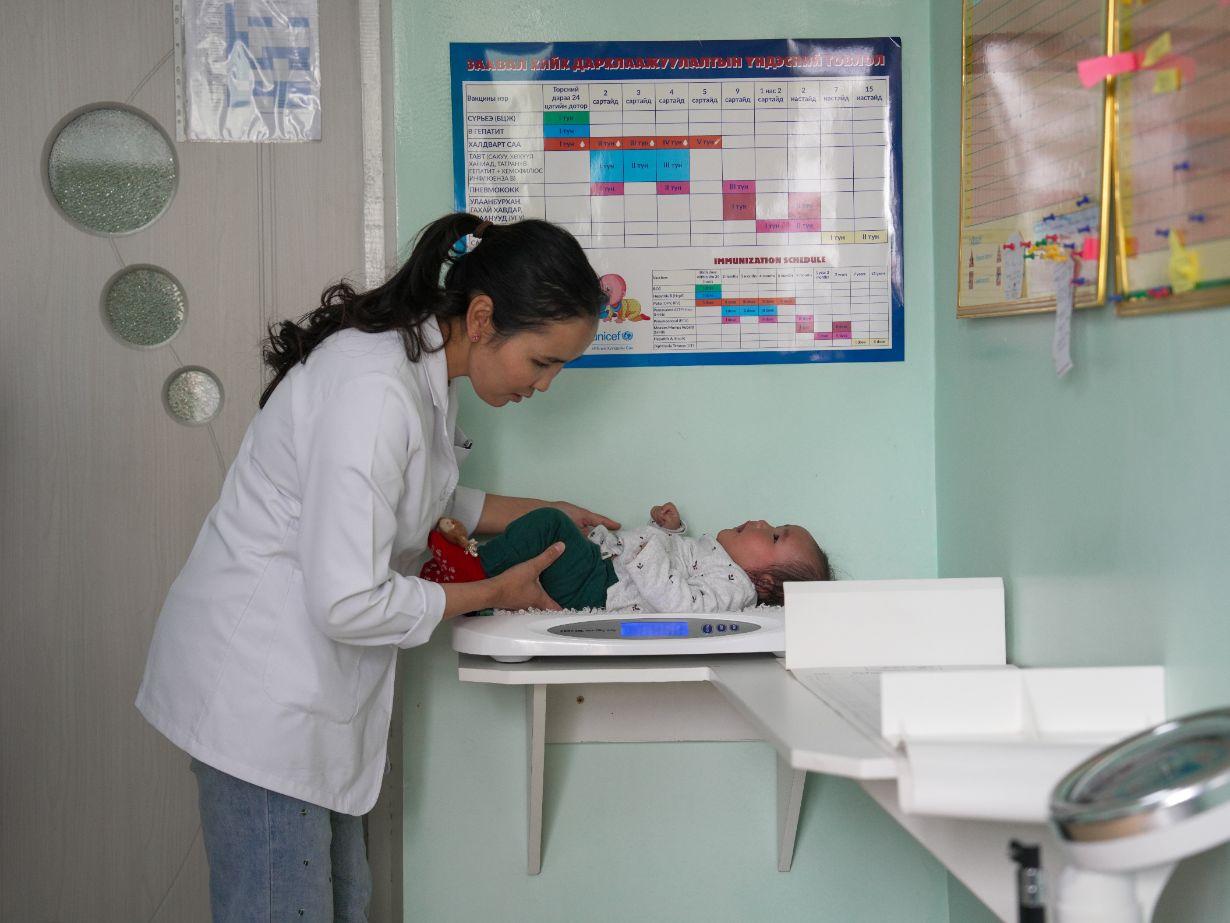
The approach was accompanied by strengthened growth monitoring and follow-up. Between 2024 and 2025, active growth monitoring coverage among children under five increased from 83% to 95%.
The benefits were reflected in child nutrition outcomes. Among children under 12 months, cases of wasting declined from eleven to two, while cases of underweight dropped from thirteen to two during the same period. These improvements were achieved through early identification of risks, regular follow-up, and sustained behaviour change rather than reliance on costly interventions such as expensive supplements.
At the same time, the experience highlighted the importance of continuity. While short‑term projects can catalyse improvements, sustained investment is needed to consolidate gains and ensure that all vulnerable children can be reached.
Strengthening health workers beyond clinical skills
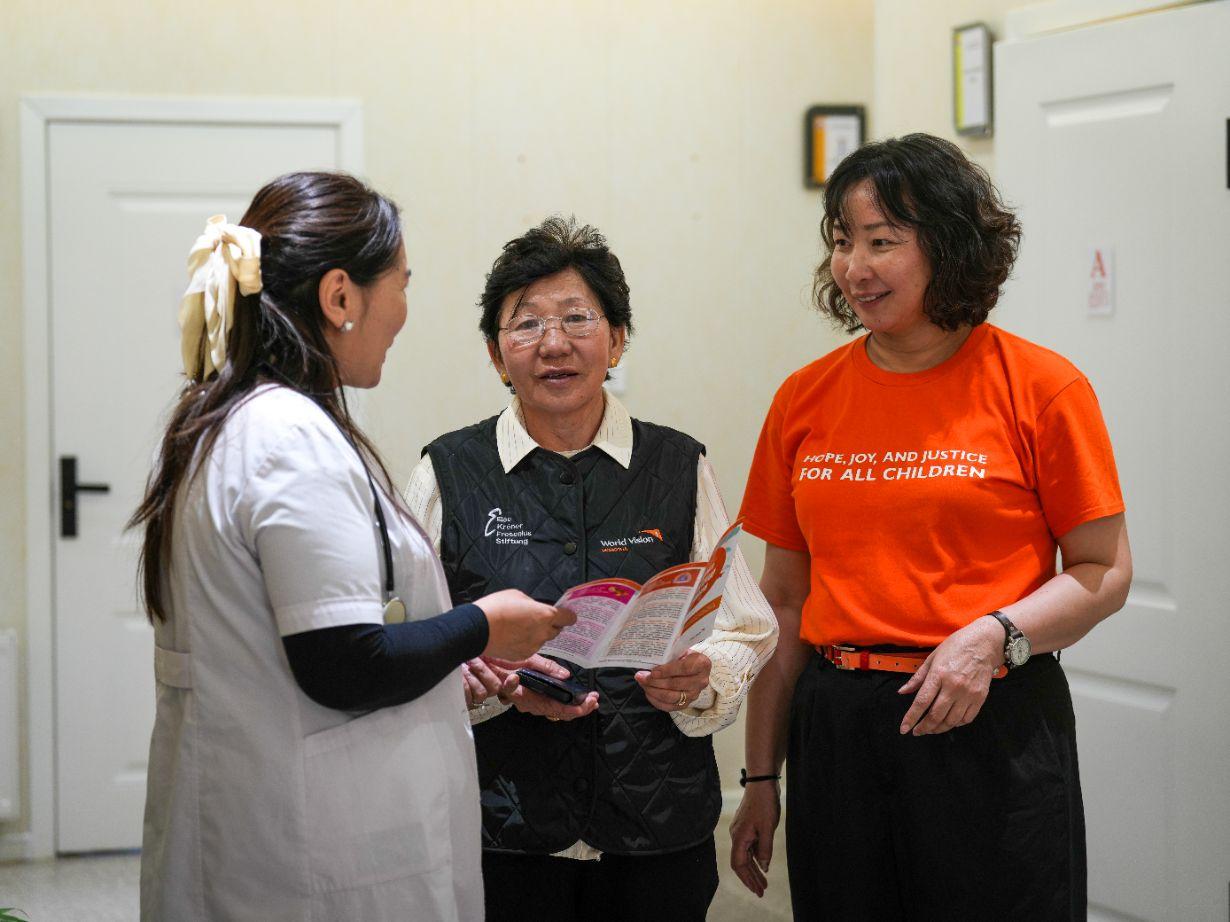
A core component of the project was strengthening the capacity of frontline health workers. Through regular on‑the‑job training, doctors and nurses improved their application of Integrated Management of Childhood Illness (IMCI) and other evidence‑based practices. Instead of one‑off workshops, these were embedded learning opportunities designed to become part of routine care.
More than 305 health workers enhanced their competencies in service quality, diagnosis, and counselling. Knowledge assessment scores from nutrition-focused training increased from 73% before training to 87% afterwards, demonstrating strengthened technical capacity.
The benefits extended beyond improved diagnosis and treatment. During routine examinations, health workers identified signs of child abuse that might otherwise have been overlooked. In another case, careful clinical observation led to the discovery of serious mental health concerns, enabling timely referral and protection. These cases underscore a critical but often underestimated point: well‑trained frontline health workers become essential actors in child protection, not just disease treatment.
For policymakers, these experiences reinforce the important role that primary healthcare providers play in safeguarding children's wellbeing. They also demonstrate the value of integrating child protection awareness into primary healthcare training programmes. For donors, they highlight the multiplier effect of investing in human capacity rather than infrastructure alone.
Volunteers as the bridge between systems and families
Strong health systems depend on community trust. To strengthen links between families and health services, the project placed volunteers at the centre of its design. Forty community volunteers were trained to conduct home visits, promote hygiene practices, support caregivers, and connect families with available services.
The volunteers provided more than information. They offered practical assistance, encouragement, and continuity of support, particularly for families who might otherwise disengage from formal healthcare systems.
One volunteer described visiting up to ten households each week, demonstrating handwashing practices, supporting mothers caring for multiple young children, and helping families access health services without fear or confusion. This peer‑to‑peer approach proved particularly effective in building trust and encouraging health-seeking behaviours.
The results were reflected in maternal health service utilisation. By 2025, 94.8% of pregnant women were attending six or more antenatal care visits.
Beyond immediate project outcomes, the volunteer network has created a lasting community asset. Local volunteers have developed skills, confidence, and credibility that position them as ongoing advocates for health and wellbeing. Notably, provincial government authorities are exploring ways to formally recognise and incentivise volunteer engagement through local development plans, an encouraging sign of institutional uptake.
Real change happens inside the home
The project’s impact is perhaps best illustrated through the experiences of participating families.
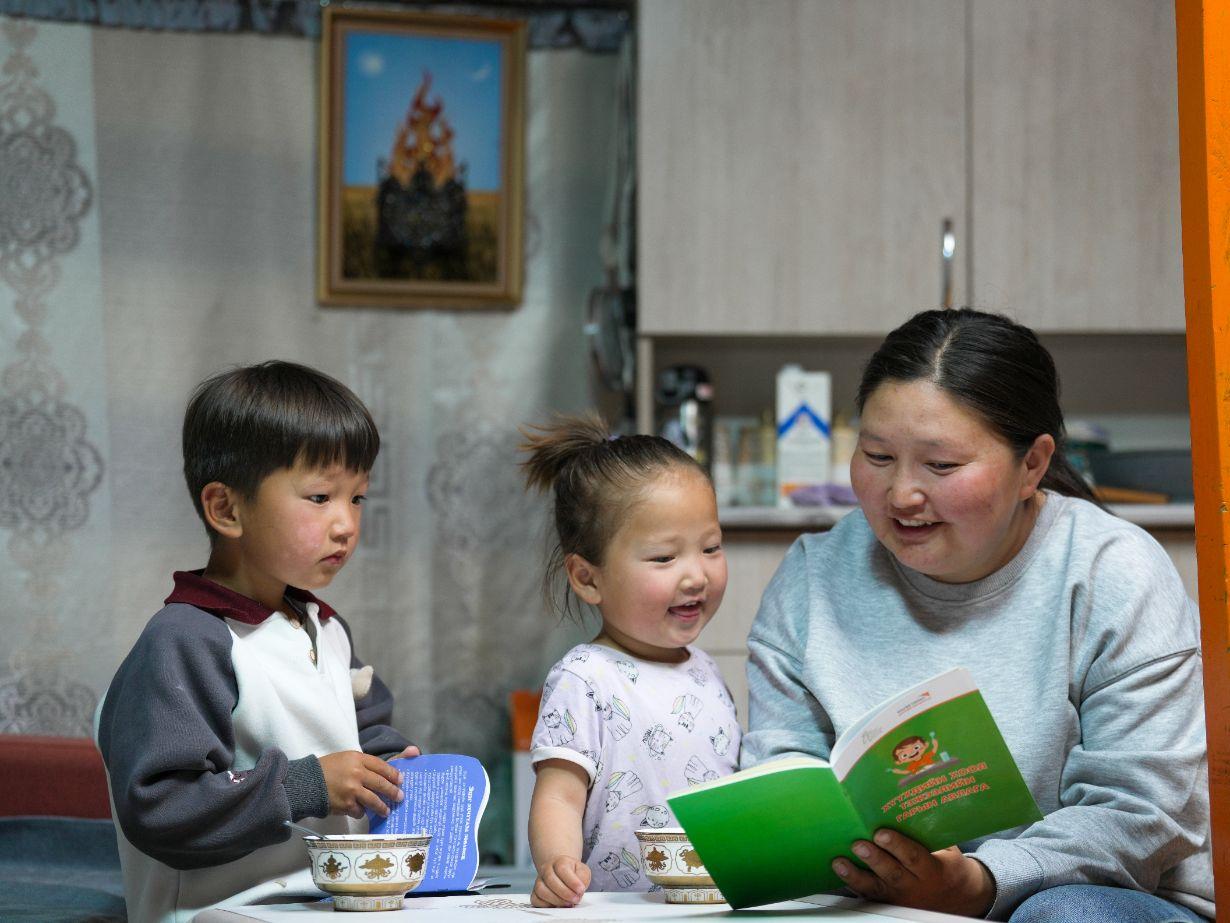
One grandmother, who was caring for her infant granddaughter while her daughter worked in the city, described how the project transformed daily life. Through training, she learned about age‑appropriate nutrition and hygiene practices and adopted improved sanitation measures supported through the project.
Her simple but powerful story reflects more than improved health knowledge. She spoke of dignity, of raising a child in a cleaner and healthier environment, and of her pride in being part of a programme that genuinely “fit” her needs. Her words demonstrate the importance of designing programmes that respond to the realities families face and empower caregivers to provide healthier environments for children from the earliest stages of life.
Such experiences are important indicators of programme relevance, community ownership, and the potential for long‑term impact.
Governance, alignment, and sustainability
From the outset, the project prioritised strong coordination mechanisms and local ownership. A provincial‑level working group chaired by the Deputy Governor for Social Affairs brought together representatives from health authorities, local government, and Family Health Centres to guide implementation, ensure alignment with public policies and priorities, and avoid the creation of parallel systems.
The development of a locally adapted maternal and child health manual further strengthened sustainability. By supporting continuous professional learning and standardising key practices, the manual helps preserve institutional knowledge even when staff turnover occurs.
Stakeholders have also identified opportunities to expand the model to address emerging challenges, including adolescent pregnancy and early childhood oral health. The foundation has been laid; what is required now is scale and continuity.
A case for continued investment
The experience from Jargalant soum offers valuable lessons for donors, policymakers, and health practitioners. Community‑based maternal and child health interventions are not supplementary to health systems; they are a critical component of effective primary healthcare.
When combined with strong local governance, capable frontline health workers, and trusted community volunteers, these approaches can improve child nutrition, increase service utilisation, strengthen child protection, and build lasting community resilience.
Investing in community-based maternal and child health is not only about improving indicators. It ensures that children can grow and develop safely, that families have the knowledge and support they need to build resilience, and that communities are equipped to sustain progress long after project activities end.
The evidence from Jargalant soum demonstrates that when investments align with people, practice, and policy, real and lasting change is possible.
This article was authored by World Vision Mongolia, drawing on insights from frontline health professionals and community partners involved in the Mother and Child Project funded by Else Kröner Fresenius Foundation.