publication / March 16, 2026
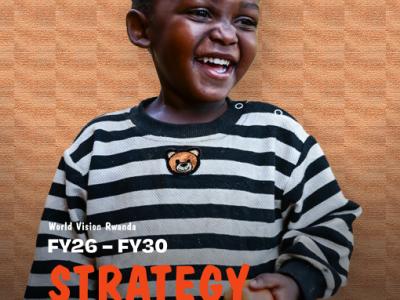
WV Rwanda FY26 - FY30 Strategy Summary
World Vision Rwanda (WV Rwanda) presents its strategy for the period of 2026-2030. The strategy aims at holistically empowering and transforming the well-being of 2.5 million most vulnerable children. It builds upon the previous five-year strategy, which empowered over 2 million most vulnerable children.
opinion / March 6, 2026
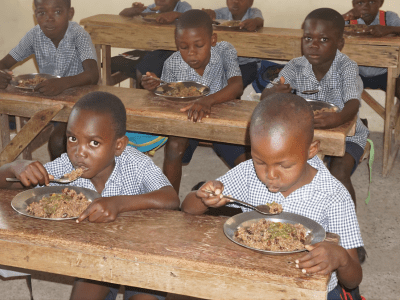
Why School Meals Accountability Must Define the Future of Education and Social Protection
Why School Meals Accountability Must Define the Future of Education and Social Protection
article / March 19, 2026
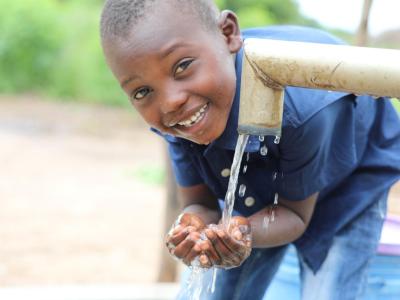
World Water Day: 13,000 More People Gain Access to Clean Water in Mozambique
World Vision Mozambique expands clean water access in Mutarara, benefiting 13,000 people through 43 new water sources. The initiative supports rural communities, aligns with national goals and SDG 6, and improves health, resilience, and daily life for families, especially children.
article / February 9, 2026
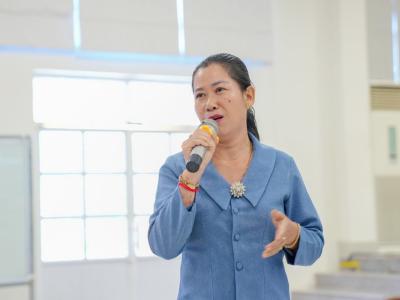
Voices That Matter: How Citizens and Leaders Are Rewriting the Future Through Social Accountability
In Svay Rieng, a simple idea—connecting citizens with local authorities—has sparked a wave of transformation. Through the Social Accountability Framework (ISAF), volunteers like Keav Sothea and local leaders are rewriting the future of public services. From cleaner health centers to improved schools and transparent governance, this initiative proves that when communities speak, progress answers.
article / March 24, 2026
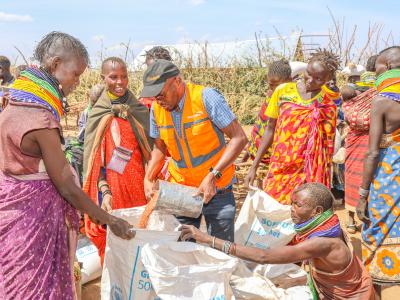
Deepening Drought Leaves Thousands in Need as Aid Reaches 30,000 Families
As drought tightens its grip across Kenya’s ASAL regions, families in counties like Turkana face severe hunger, water scarcity, and loss of livelihoods. In response, World Vision Kenya, in partnership with government and humanitarian agencies, is delivering lifesaving food assistance and support to thousands of vulnerable households, ensuring children remain at the centre of every intervention.
article / February 10, 2026
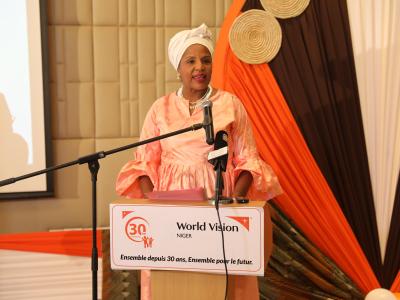
World Vision Celebrates 30 Years of Impact in Niger
In 2025, World Vision Niger celebrated its 30th anniversary with a series of major events highlighting three decades of impact, partnerships, and hope. Present in Niger since 1995, the organisation has worked to sustainably improve the lives of children, families, and communities through programs in health, education, water, sanitation and hygiene, food security, and emergency response.
The anniversary celebrations aimed to showcase achievements, strengthen relationships with partners, and inspire future generations to continue World Vision’s mission. Under the theme “Together for 30 Years, Together for the Future!”, the four-day program included a community celebration in Birni, an official dinner in Niamey, a virtual global partnership event, and activities with children at the REMAR orphanage.
article / February 9, 2026
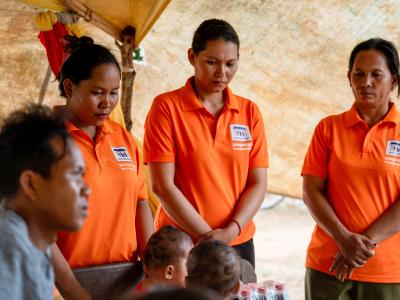
Bridging the Gap: How Community Accountability Facilitators are helping to translate citizen feedback into Better Basic services in Cambodia
Through the Implementation of the Social Accountability Framework (ISAF), Community Accountability Facilitators across Cambodia are helping bridge the gap between citizens and public service providers. Trained by World Vision International and supported by the World Bank and development partners, these local volunteers empower communities—especially women, people with disabilities, and rural families—to voice concerns, understand their rights, and improve access to education, health, and local administrative services. Their efforts have led to tangible improvements, including shorter wait times at health centers, higher school enrollment, cleaner and safer learning environments, and stronger trust between communities and authorities—demonstrating how citizen feedback can drive better, more responsive public services.
publication / February 22, 2026
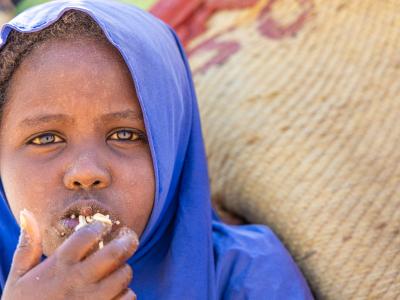
World Vision Somalia Abridged Strategy FY26- FY30
WVS’s child well-being priorities are closely aligned with Pillar 3: Social Development of the Somalia National Transformation Plan (NTP) and contribute directly to the Sustainable Development Goals (SDGs).
Efforts to improve child nutrition and reduce wasting and stunting advance SDG 2: Zero Hunger and respond to the NTP priority of improving access to and quality of nutrition and food security services.
Expanding equitable, quality maternal and child healthcare supports SDG 3: Good Health and Well-being, addressing the NTP’s goal of strengthening accessible healthcare systems.
Finally, strengthening child protection systems and family support contributes to SDG 5: Gender Equality and SDG 16: Peace, Justice, and Strong Institutions, reinforcing the NTP commitment to protect children and promote social cohesion.