

Why School Meals Accountability Must Define the Future of Education and Social Protection
Martha Bedane reflects on why School Meals Day demands political discipline, credible financing and delivery that translates into tangible impact for children.
March 6, 2026.
As School Meals Day approaches this March, it is worth asking whether celebration alone is enough. Nutritious school meals remain one of the most effective interventions across education and social protection. Yet their future will depend not on the volume of new pledges but on whether governments convert commitment into durable national systems.
Progress is undeniable. So is vulnerability. At a time when 181 million children under five are living in severe food insecurity globally, hunger is not a peripheral issue. It is shaping whether children learn, concentrate or remain in school at all. The debate is no longer about relevance. It is about reliability.
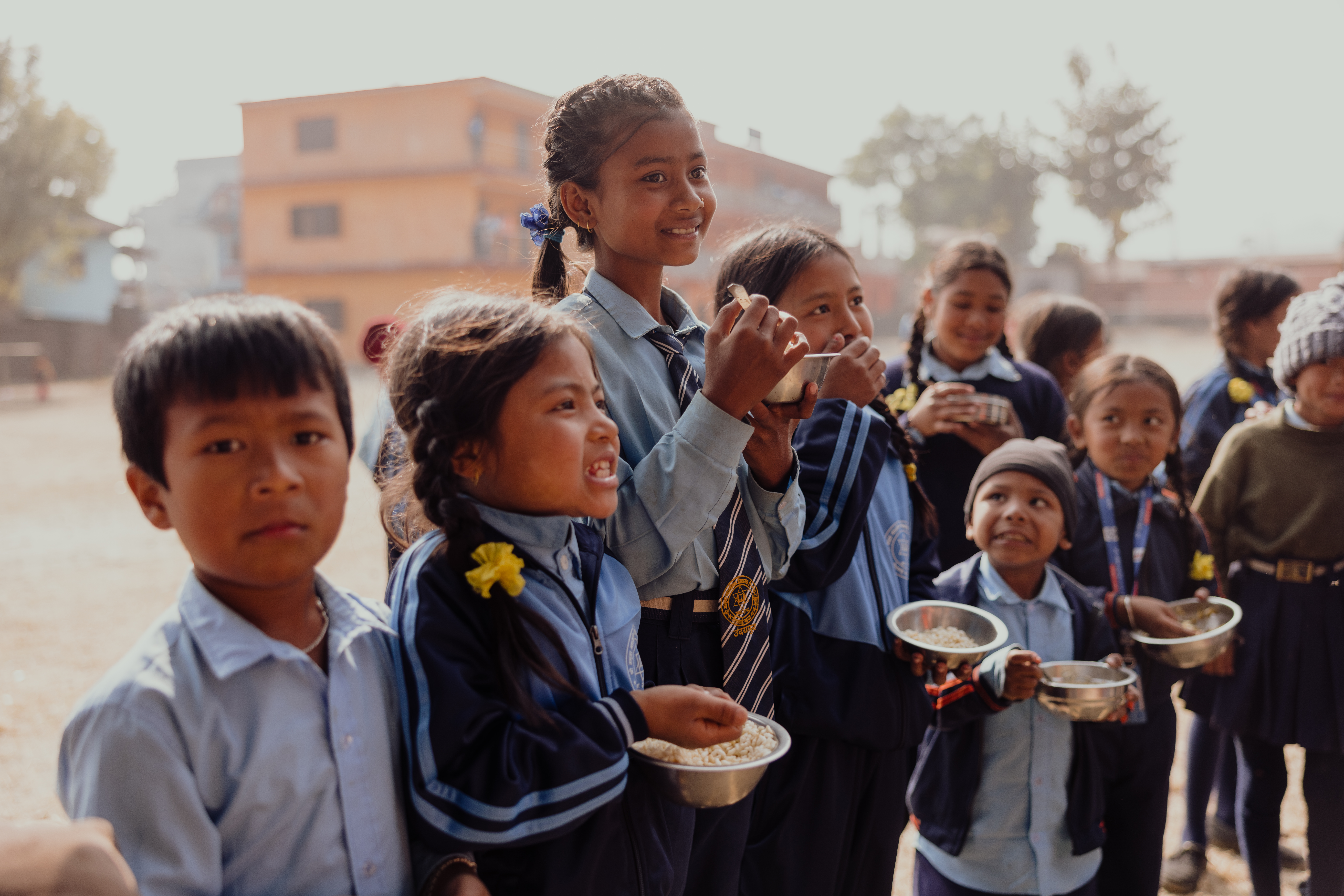
For millions of children, a meal at school is not an added benefit. It is the reason they attend. It improves concentration, supports nutrition and eases pressure on families facing economic strain. In fragile and food-insecure contexts, it can be the difference between a girl continuing her education or leaving when household budgets collapse.
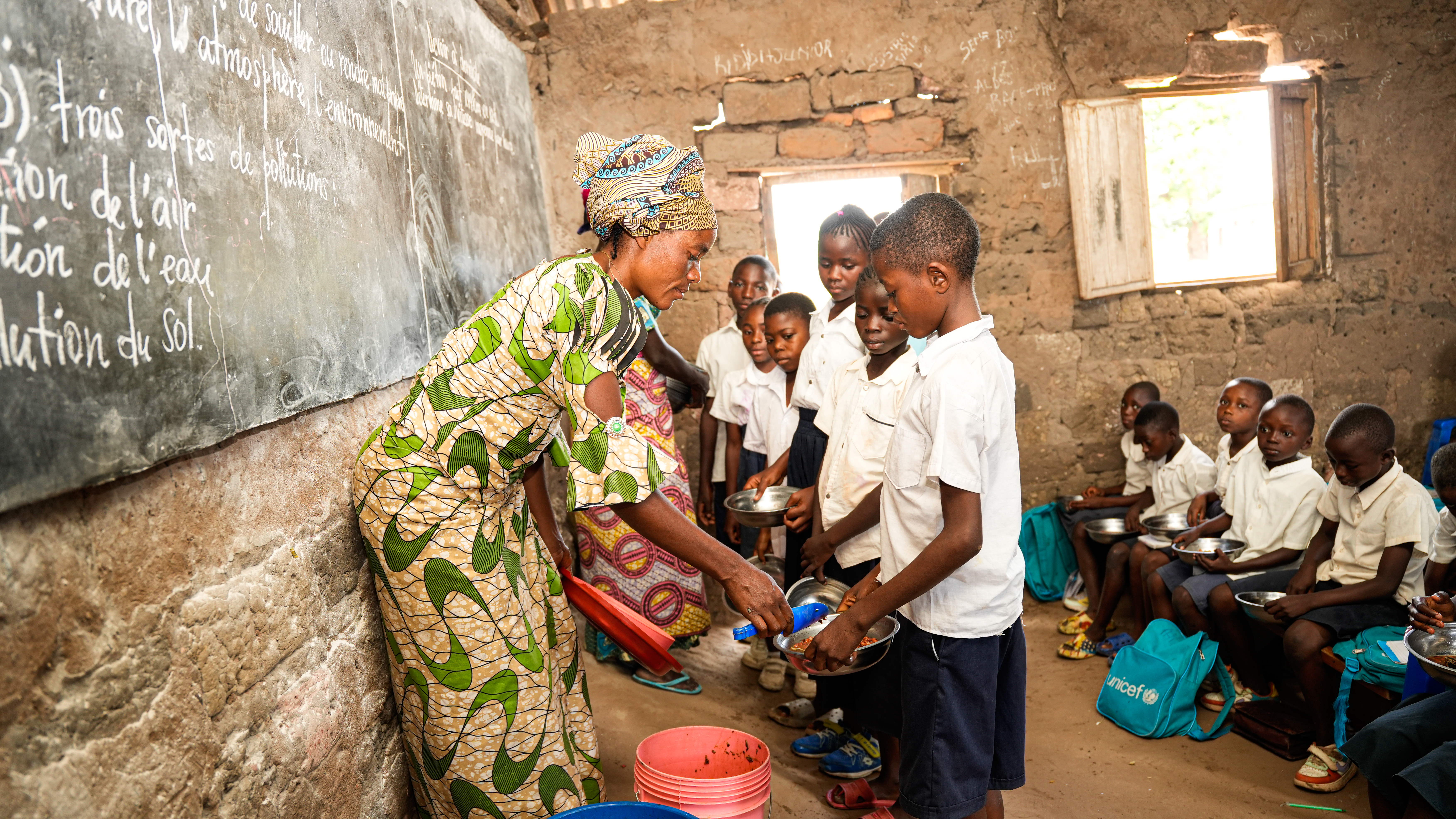
Momentum has grown. In the past five years, nearly 80 million additional children have gained access to school meals through national expansion and collective action, including via the School Meals Coalition. This reflects political leadership and coordinated financing. It proves what is possible when priorities align. Yet experience shows that expansion without structural depth is fragile. When fiscal pressures intensify or political leadership shifts, gains can recede.
As Cindy McCain, Outgoing Executive Director of the World Food Programme, has said:
“Governments around the world, especially in low- and middle-income countries, are showing real leadership by choosing to prioritize school meals programs. They are proven to be one of the smartest, most cost-effective investments any nation can make to improve the long-term health, education and economic prosperity of future generations.”
The evidence is compelling. School feeding improves enrolment and attendance and, when linked to home-grown procurement, strengthens local agriculture and supply chains. For donors and ministries of finance, the case is pragmatic: this is not short-term relief but human capital investment with measurable returns.
Political will alone will not sustain progress
Robust school meal systems are designed deliberately. They require legislation, policy clarity and predictable domestic financing. They rely on coordination across education, agriculture, health, WASH and social protection. Crucially, they need institutional capacity that withstands electoral cycles and economic turbulence.
It is tempting to assume that current momentum will carry programmes forward. However, without firm foundations, expansion remains exposed to debt pressures, climate volatility and shifting political priorities. Donors, too, assess risk carefully. Investment can unlock scale and innovation, but confidence depends on transparency, monitoring and credible budget lines. Accountability reduces uncertainty and safeguards impact.
Governments have made important pledges through the Coalition. Those commitments matter. Their credibility rests on what follows. Are funds allocated and spent as planned? Are procurement systems strengthened to reach children in remote or conflict-affected communities? Are the most vulnerable consistently served, or does progress stall once attention shifts? Accountability is therefore not about blame. It is about aligns ambition with delivery and ensures that progress endures beyond announcements.
From recognition to results
School Meals Day offers an opportunity to recognise achievements. It should also prompt reflection:
- Are commitments matched by sustained domestic financing?
- Are programmes reaching children most affected by hunger and displacement?
- Are systems resilient enough to withstand fiscal tightening or political transition?
Primary responsibility rests with governments. School meals are a public good and a core component of social protection. They cannot depend indefinitely on short-term external funding. When national leadership is consistent and partners align behind it, programmes become embedded within education systems rather than peripheral initiatives.
The human stakes are not abstract
World Vision’s recent research, School Meals in Our Words: Choosing the Future, which gathered the perspectives of more than 1,290 children across 13 countries, reminds us that children understand the value of these programmes clearly. One 12-year-old girl in Cambodia shared
“I feel happy when I eat at school, because I don’t have to feel hungry.”
Teachers report improved attendance and stronger concentration where meals are provided. Families experience greater stability. These are not abstract outcomes. They are daily shifts in dignity, energy and opportunity.
The launch of the School Meals Accelerator within the Coalition seeks to support governments in translating commitments into nationally led systems, with an ambition to reach 100 million additional children by 2030. The target is bold. Its credibility will depend on sustained implementation, not aspiration alone.
Where commitment meets actions
If school meals are foundational to learning and wellbeing, they must be treated as long-term public investments. That requires transparent financing, measurable benchmarks and cross-sector coordination extending beyond high-level declarations. It demands structured engagement with Ministries of Finance, education authorities and agricultural partners.
The way forward is clear: secure domestic budget lines, institutionalise accountability mechanisms and strengthen nationally led systems capable of withstanding political and economic turbulence.
Commitments may inspire confidence. Systems sustain it.
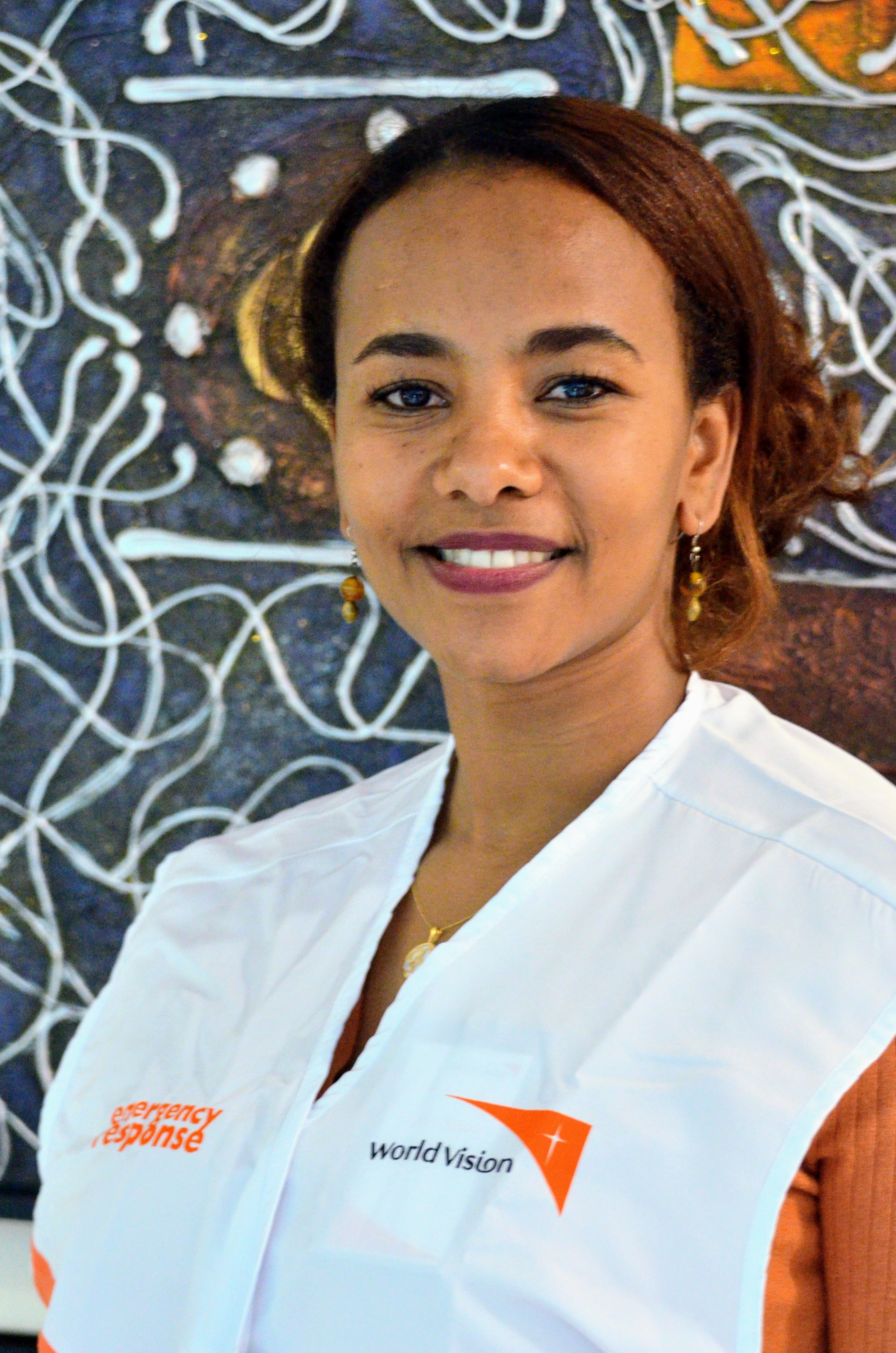
Martha Bedane is World Vision International’s Senior Advisor for Local to Global Advocacy and Impact. With over 15 years of experience, she has led efforts to advance child rights and wellbeing through advocacy, policy reform, and systems change across Africa. Her career began in law and human rights, and she has since held senior roles at World Vision International and other global organisations.
Subscribe to see more content like this
Related Resources

Justice begins when no child goes hungry

Global Financing for eliminating hunger in 2026: Why Incremental Progress is no Longer Enough
