Voices That Matter: How Citizens and Leaders Are Rewriting the Future Through Social Accountability

When Keav Sothea first put on the bright orange vest of a Community Accountability Facilitator (CAF), he felt a mix of pride and uncertainty. “I first joined as a volunteer on 17 August 2020,” Sothea recalls. “At the beginning, I didn’t even know how to speak up in meetings or write a report. Everything felt overwhelming.”
Social Accountability—known as ISAF—is more than a government initiative. It is a bridge that connects citizens with local authorities, ensuring that voices from the grassroots shape the services they rely on every day. In Svay Rieng Province, this movement began in mid-2020, spanning six districts and two municipalities. At first, skepticism was everywhere. Officials hesitated, and citizens didn’t know what to expect.
“Previously, I did not understand what social accountability was, nor did I know who the CAFs were,” admits Ms. Kong Saphan, Commune Chief of Sambour Commune. “However, after observing and monitoring the activities of the CAFs, as well as reviewing the concerns and requests raised by citizens through the community score card process, I came to clearly understand that CAFs serve as spoke-persons and messengers who convey the real needs of the people and ensure that responses are targeted and appropriate to citizens.”
That realization sparked a wave of change. Through community scorecards and Joint Accountability Action Plans, citizens began assessing services and voicing concerns. Schools started improving their environments and teaching quality. Teachers focused on hygiene, nutrition, and punctuality. Health centers became cleaner, staff more respectful, and communication friendlier. Commune offices embraced transparency and teamwork, creating a sense of trust that had never existed before.
The journey was far from easy. COVID-19 disrupted meetings and slowed outreach, leaving many communities unaware of the initiative during its first year. “Many of us were hesitant at first,” Sothea says. “We didn’t know how to engage with local authorities. But with training and persistence, we learned. We gained confidence.” Slowly, CAFs overcame skepticism from service providers who initially viewed them as outsiders. Through patience and consistent engagement, they built relationships that turned resistance into cooperation.
Today, the orange vest symbolizes trust and progress. Parents take pride in better schools where classrooms are cleaner and learning environments more welcoming. Teachers are committed to respecting time and focusing on student well-being. Health centers that once resisted change now maintain cleaner facilities and provide more efficient services. Commune chiefs listen and act, fostering transparency and teamwork. “Where there is development, there is progress,” Sothea reflects. “Without social accountability, communities would lack awareness and opportunities.”
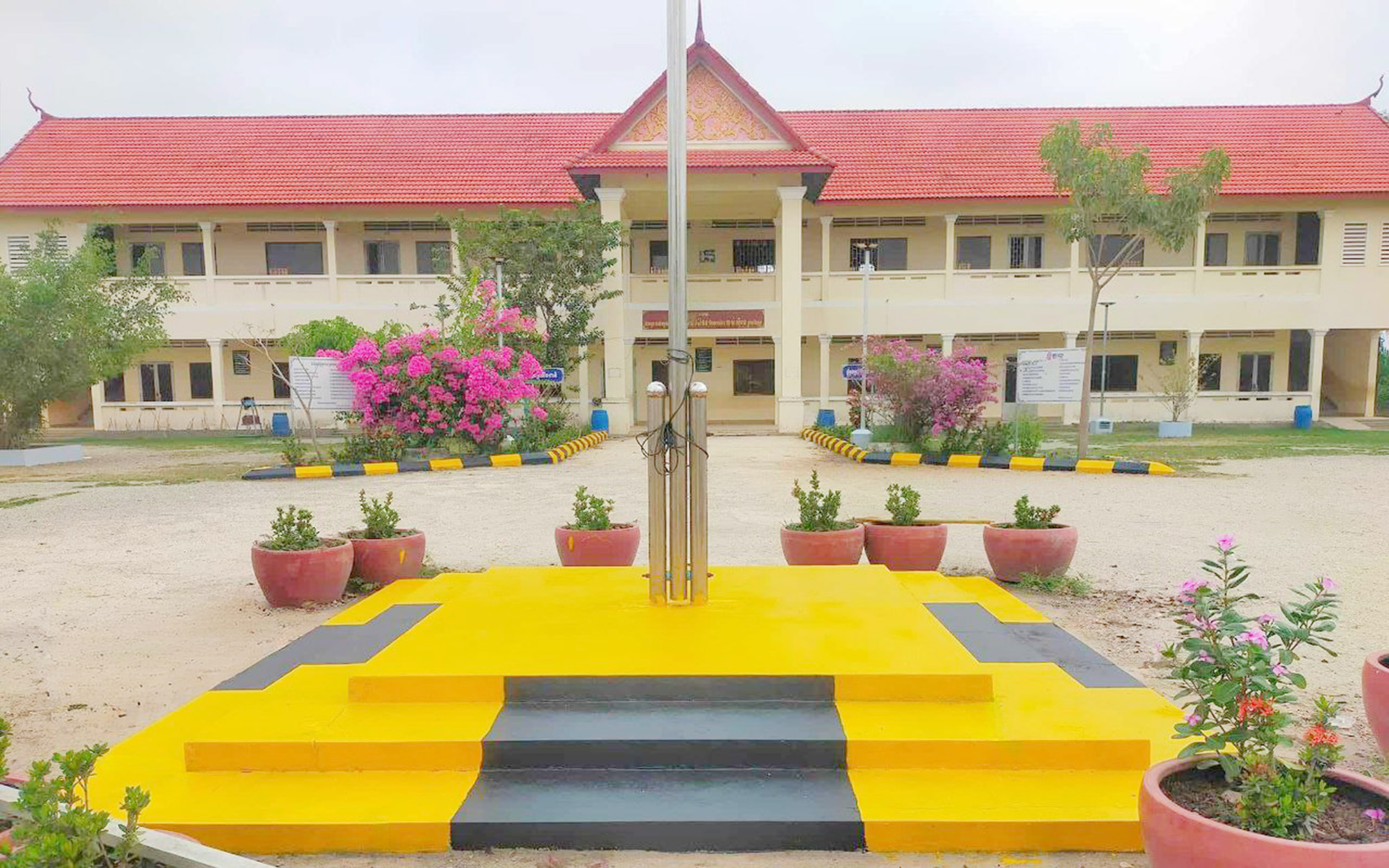
The transformation is visible across Svay Rieng. Schools like Meung Samphon Primary have become models of improvement, inspiring parents and students alike. Health centers have shifted from rigid interactions to open dialogue, creating a culture of respect and care. Commune administrations, especially Sambour Commune, stand out for their responsiveness and transparency, proving that collaboration works.
As the initiative grows, Sothea has one simple request: “I’d like to respectfully request that World Vision consider returning the older computers previously provided to CAFs. These resources would enable us to continue developing our capacities, support the work of local authorities when needed, and, importantly, assist in teaching children at home.”
From hesitation to hope, the story of social accountability in Svay Rieng proves that when citizens and authorities work together, real change happens—change that transforms not just systems, but lives.