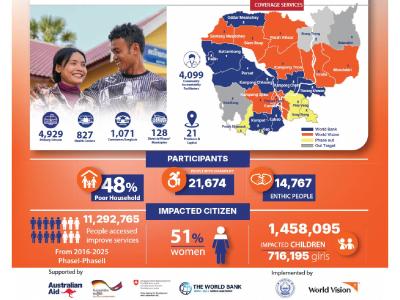
publication / July 29, 2026
Factsheet | Engaging Citizens to Improve Service Delivery Through Social Accountability
Factsheet 2025 Engaging Citizens to Improve Service Delivery Through Social Accountability Project
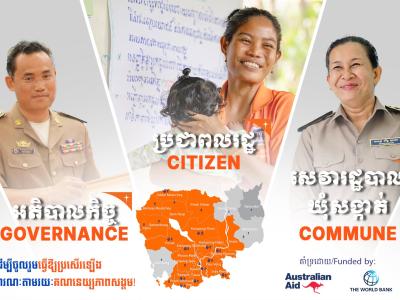
publication / July 9, 2026
Engaging Citizens to Improve Service Delivery through Social Accountability Project: Financial Statements for the year ended 31 December 2023 and Report of the Independent Auditors
Financial Statements for the year ended 31 December 2023 and Report of the Independent Auditors for Engaging Citizens to Improve Service Delivery through Social Accountability Project

publication / July 9, 2026
Engaging Citizens to Improve Service Delivery through Social Accountability Project: Financial Statements for the year ended 31 December 2024 and Report of the Independent Auditors
Financial Statements for the year ended 31 December 2024 and Report of the Independent Auditors: Engaging Citizens to Improve Service Delivery
through Social Accountability Project
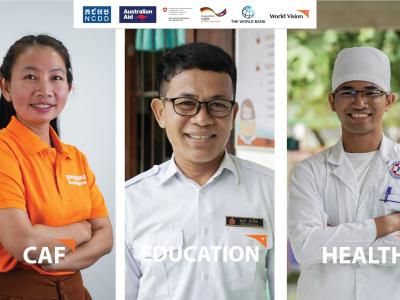
publication / July 9, 2026
Engaging Citizens to Improve Service Delivery through Social Accountability Project: Financial Statements for the year ended 31 December 2025 and Report of the Independent Auditors
Financial Statements for the year ended 31 December 2025 and Report of the Independent Auditors for Engaging Citizens to Improve Service Delivery through Social Accountability Project
article / July 29, 2026
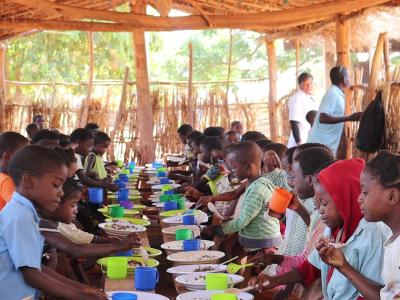
ENOUGH CAMPAIGN: Mozambique Approves National School Feeding Strategy
Council of Ministers approves the National School Feeding Strategy, strengthening the country´s environment that supports children's learning and combat to malnutrition.
article / July 23, 2026
World Vision Ghana and Kumasi Metropolitan Assembly Partner to Advance Urban Development
World Vision Ghana and the Kumasi Metropolitan Assembly are strengthening collaboration to improve urban development, WASH, child protection and community wellbeing.

article / July 31, 2026
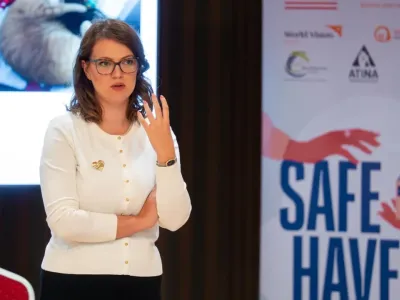
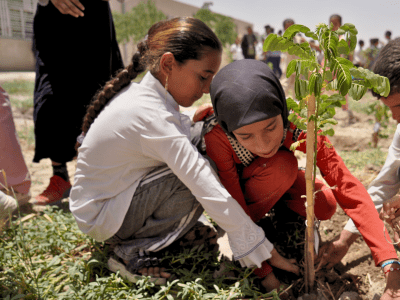
Safe Haven: Strengthening survivor services across borders
How can countries ensure that survivors of human trafficking receive quality support regardless of where they seek help?
publication / July 6, 2026
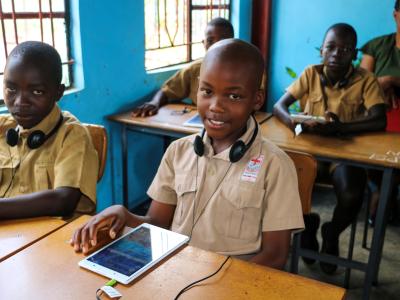
The inaugural Global Dialogue on AI Governance must deliver for children
This joint statement, calls on governments to place children’s rights at the centre of AI governance.
publication / July 31, 2026
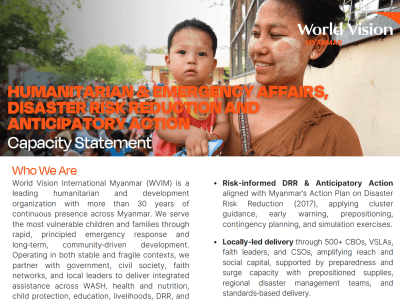
HEA and DRR Capacity Statement
World Vision International Myanmar (WVIM) is one of the longest-serving humanitarian and development organization in Myanmar, with more than three decades of operational presence across both stable and conflict-affected contexts. We partner closely with government ministries, civil society, faith based groups, local leaders, and communities to deliver integrated programs in education, child protection, health and nutrition, WASH, livelihoods, and disaster response. Our locally rooted teams ensure culturally relevant, community owned solutions that support children to thrive. In livelihood, our work focuses on strengthening household resilience, restoring livelihoods, and protecting the well-being of vulnerable children through integrated, community-driven approaches that address both immediate needs and long-term recovery. Each year, our programmes reach millions, reflecting our commitment to ensure children are educated, protected, and cared for in safe and resilient communities.