article / August 8, 2026
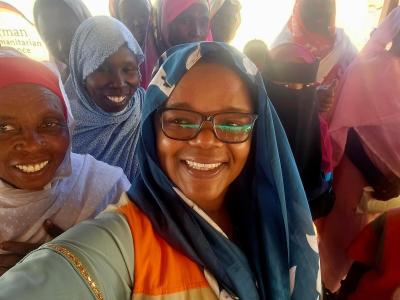
When aid cannot reach Sudan’s children, hope has to travel the hardest road
A firsthand account from Sudan reveals the dangers children and aid workers face, and why protection, access and funding are urgently needed.
press release / August 10, 2026
Attacks on humanitarian workers surge under new armed conflict tactics, leaving children without life‑saving aid
World Vision warns that drone warfare is endangering aid workers, restricting humanitarian access, and putting millions of children at greater risk.
publication / July 6, 2026
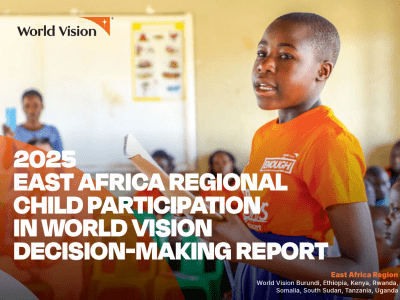
2025 East Africa Regional Child Participation in WV Decision-Making Report
The 2025 Regional East Africa Child Participation Report details the impact of engaging boys and girls in decision-making at local and national levels.
publication / July 5, 2026
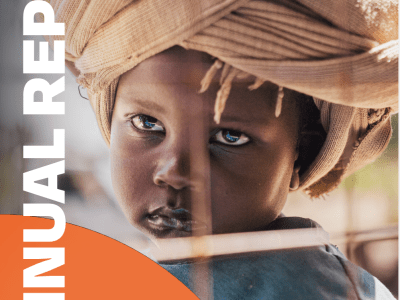
Humanitarian Emergency Affairs 2025 Annual Report - EAST AFRICA
Despite escalating humanitarian needs and constrained resources, World Vision East Africa continued to deliver life-saving assistance and build resilience across the region. The FY25 Humanitarian and Emergency Affairs (HEA) Report highlights the impact of emergency response efforts in nine countries, reaching 7.5 M people, including 4M children.
article / August 6, 2026
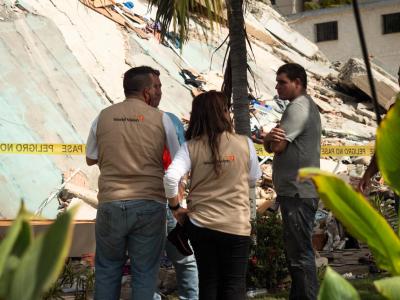
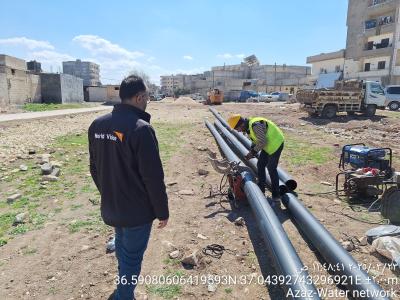
World Vision Syria Response: Adapting Urban and Peri-Urban WASH Programming in Earthquake-Affected Northwest Syria
Learn how sustainable water, sanitation and renewable energy solutions helped vulnerable communities recover in Northwest Syria.
publication / July 22, 2026
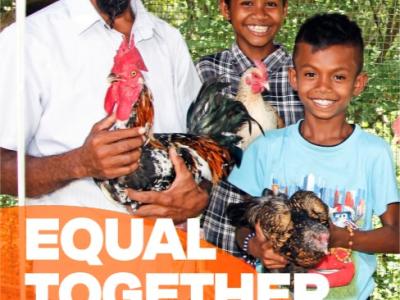
Equal Together: Engaging Men and Boys as Agents of Change in World Vision Programming
Learn how World Vision engages men and boys as agents of change to advance gender equality, improve wellbeing, and strengthen development outcomes.
publication / July 29, 2026
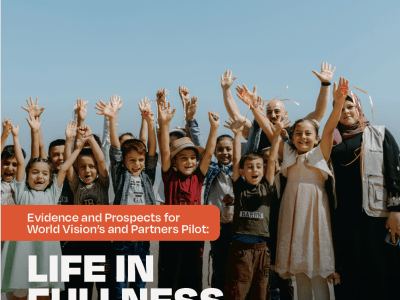
Life in Fullness Together (LIFT): Evidence and Lessons from World Vision’s Pilot in the Syria Response
Life in Fullness Together (LIFT) is an integrated, evidence-based model developed by World Vision and partners to address the complex needs of children and adolescents living in protracted humanitarian crises. Piloted in Gaziantep, Kilis, and Şanlıurfa, Türkiye, LIFT supports holistic wellbeing through five interconnected domains: responsive caregiving, protection and safety, learning opportunities, mental health and psychosocial support, and agency and resilience.
article / August 5, 2026
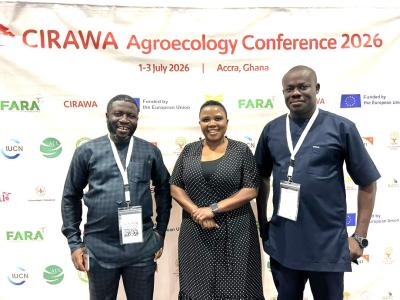
World Vision Ghana Champions Agroecology and Landscape Restoration at CIRAWA Conference 2026
How can Africa restore degraded landscapes while producing enough food for a rapidly growing population? This question was at the heart of the CIRAWA Agroecology Conference 2026, held in Accra from 1–3 July, where policymakers, researchers, development partners, private sector actors, civil society organisations, and farmers came together under the theme: "Agroecology and Nature-Based Solutions for Sustainable Food Systems in Africa."
article / July 23, 2026
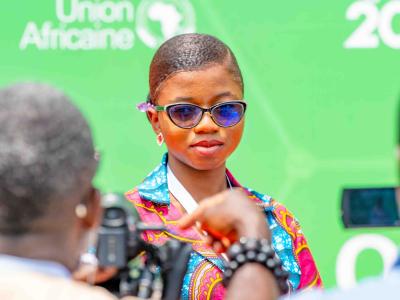
World Vision Youth Advocate Calls for Greater Investment in Africa’s Future at AU Summit
World Vision Youth Advocate Emmanuella called for greater investment in children and youth participation during the African Union Extraordinary Health Summit in Accra.
publication / August 4, 2026
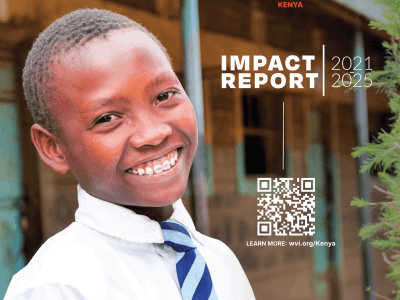
World Vision Kenya 2025 Impact Report
Explore World Vision Kenya’s 2021–2025 Impact Report, highlighting how 4.6 million people and 9.4 million children were reached through advocacy and transformative projects in different sectors (Child Learning and Household Resilience, Disaster Management, Climate Change and WASH)