
El Nino threatens gains on education in Chikwawa

Mike says he wants to be a pilot. His friend James wants to be a doctor. They both love football. Just like Mike, the children around his village have big dreams. Their school, Njobvuyalema Full Primary, with 924 students has five teachers. The parents pooled funds for additional two teachers and construct one more classroom and two teachers’ houses to ensure better education for their children.
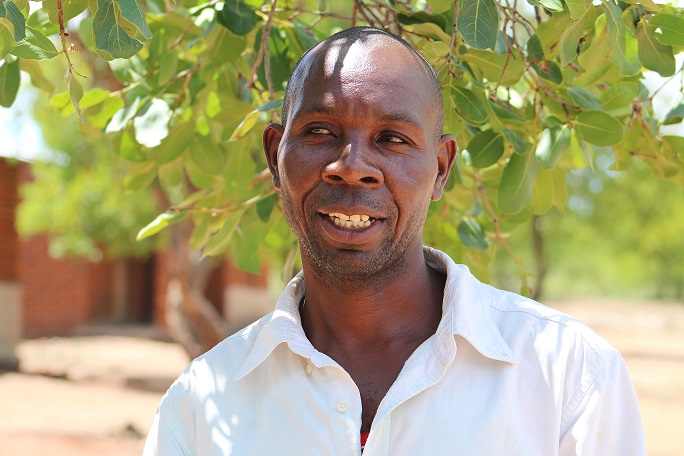
But this year, village headman Njobvuyalema of Chikwawa said the people chose a bag of maize than send their children to school as El Nino continue to threaten the food security in the community. Yielding to the demands of the people, he has suspended community contributions for education.
“Through World Vision, we learned to value our responsibility for our children’s future. We have been doing our best not to let them down,” says Njobvuyalema.
“The government established this school with two teacher’s houses only. The community built two more,” says Mathews Phiri, the school head teacher. “This year, it is sad the community has to choose between survival and their children’s future”, laments Phiri.
“The people got nothing from their maize gardens. Some depend on watermelons for breakfast, lunch and even supper. How can I demand for development fund contributions from them? We want the best for our children. But this year has been tough and we fear the coming year to get even tougher”, adds Njobvuyalema.
Even the local churches were encouraged to prioritize food over other basic necessities. Catholic Bishop Martin Mtumbuka of northern Malawi has stopped contributions to church projects to allow people to use the resources to buy food for their families. Bishop Mtumbuka says, “The Malawians are being hit hard by hunger and it is wise to suspend all fundraising events.”
The Malawi Government has declared that around 8.5 million people are suffering from hunger. Of the country’s three regions, the south is far worse. Natural disasters such as floods and droughts are a regular occurrence in southern Malawi. These severely impacts impoverished villages that already struggling to make a living. But this year’s long dry spell unfortunately came after a flood in 2015 that destroyed a lot of crops.
The Second Round Agricultural Production Estimates Survey (APES) released by the Ministry of Agriculture and Irrigation in Malawi in late March indicated that the country’s main staple food, maize has registered a reduction of 12.4 percent as compared to the 2014/15 final round estimate. The report also added that maize production has declined from 2,776,277 MT in 2014/2015 to about 2,431,313 MT in the 2015/16 farming year.
World Vision’s Humanitarian and Emergency Affairs Manager, Elisha Kapalamula says that households have lost their ability to recover from hardship, placing an even greater strain on communities during the lean seasons when food is most scarce. Elisha further added that that this year’s El Nino phenomenon challenges World Vision into working more closely with communities vulnerable to changing weather patterns.