
press release / August 19, 2026
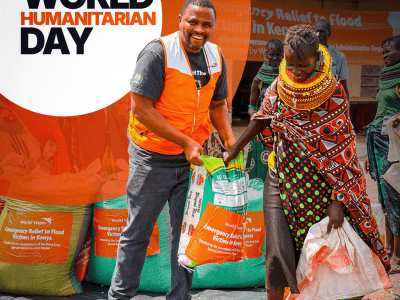
World Vision Kenya Calls for Action and Accountability to Protect Humanitarian Workers Protecting Humanitarian Workers Means Protecting People in Crisis
World Vision Kenya calls for greater protection of humanitarian workers and civilians, accountability for attacks, and respect for the laws that protect those who serve people affected by crisis.
press release / July 23, 2026
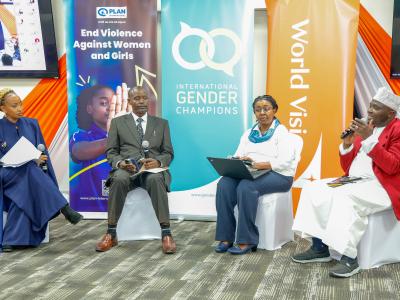
Female Faith Leaders Must Have Greater Voice in Fight Against Gender-Based Violence
Female faith leaders call for strategic role in ending Gender-Based Violence in Africa.
publication / August 14, 2026
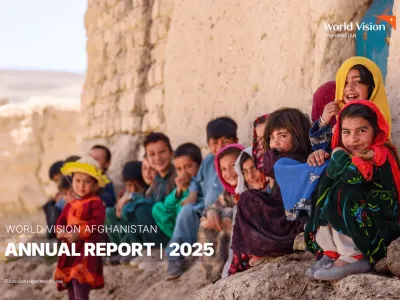
World Vision Afghanistan Annual Report | FY25
In FY25, World Vision Afghanistan reached 1,497,975 people, including 808,015 children, through 36 projects and grants.
press release / August 12, 2026
World Vision Malawi Statement on the Global Fund OIG Audit
World Vision Malawi acknowledges the Global Fund OIG audit findings on a US$33 million malaria grant, identified non-compliant expenditure of US$125,901, recovered affected funds, dismissed implicated staff, strengthened controls, and remains committed to transparency, accountability, and effective stewardship of donor resources.
press release / June 16, 2026
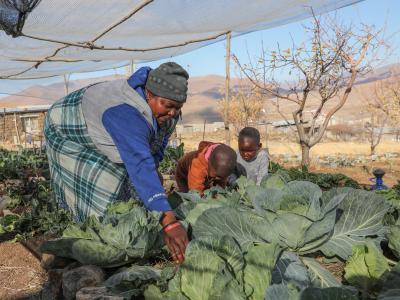
World Vision Lesotho Launches New Strategy at Community Level, Reinforcing Commitment to Ending Violence Against Children
World Vision Lesotho launches its new community-level strategy in Koeneng, Berea, focusing on ending violence against children (SDG 16) and improving child health (SDG 3) through agile, low-cost, high-impact community-driven programs.
publication / August 17, 2026
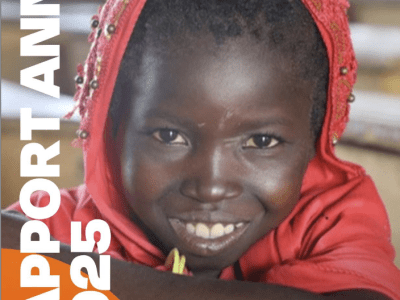
Rapport Annuel FY25 | World Vision République Centrafricaine
Explorez les résultats FY25 de World Vision RCA : santé, nutrition, éducation, protection de l’enfant, WASH et action humanitaire au service des enfants les plus vulnérables
publication / August 4, 2026
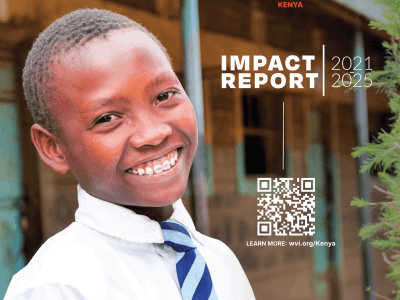
World Vision Kenya 2025 Impact Report
Explore World Vision Kenya’s 2021–2025 Impact Report, highlighting how 4.6 million people and 9.4 million children were reached through advocacy and transformative projects in different sectors (Child Learning and Household Resilience, Disaster Management, Climate Change and WASH)
article / August 11, 2026
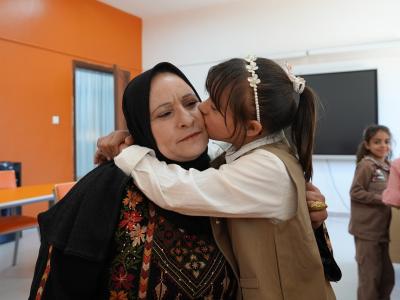
Inside World Vision Syria Response’s Inclusive Classrooms
World Vision Syria Response’s inclusive education project in Sahab is helping children like Talal and Aya overcome learning barriers, build confidence, and participate fully alongside their classmates. Across 11 schools and kindergartens in Jordan, the project is creating supportive learning environments where every child has the opportunity to learn, belong, and thrive.
article / August 2, 2026
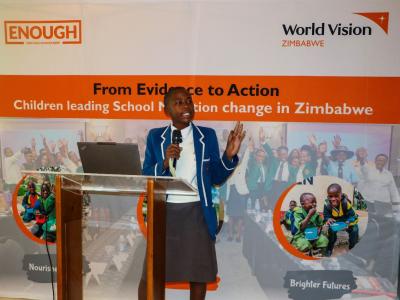
Children's Voices Driving Change Through the Enough Campaign
Through World Vision’s Enough Campaign, a campaign calling for collective action to end child hunger and malnutrition, children are not only raising awareness about child hunger and malnutrition but also using their voices to influence solutions to improve school meals and nutrition across the country.
publication / August 17, 2026
FY25 Annual Report | World Vision Central African Republic
Explore World Vision Central African Republic’s FY25 results in health, nutrition, education, child protection, WASH, and humanitarian response, improving the lives of the most vulnerable children and communities across the country.